

Hey there! As a supplier of Integrated Stepper Motors, I often get asked about the power consumption of these nifty little devices. So, I thought I'd take a deep dive into this topic and share some insights with you all.
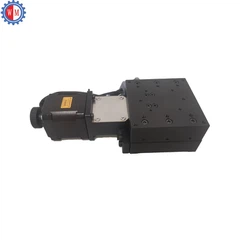
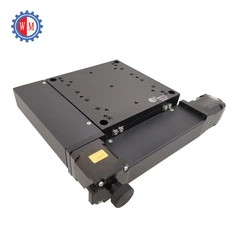
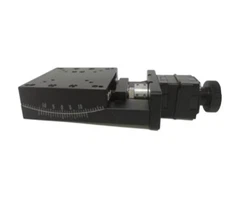
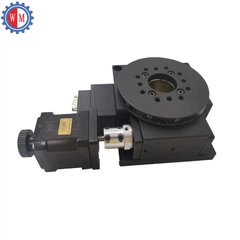
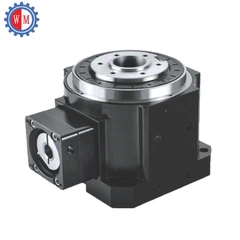
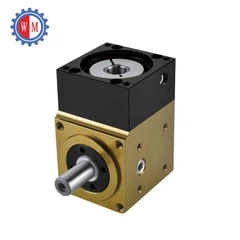
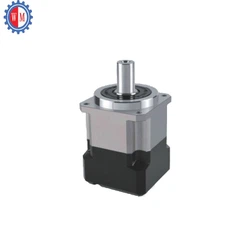
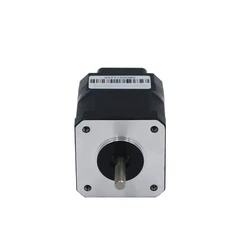
First off, let's understand what an Integrated Stepper Motor is. It's a combination of a stepper motor, a driver, and sometimes even a controller all packed into one unit. This integration offers a more compact and efficient solution compared to using separate components. We offer a variety of Integrated Stepper Motors, like the Integrated Dc Motor, CAN Bus Control Integrated Stepper Motor, and Modbus RS485 Integrated Motor.
Now, let's talk about power consumption. Power consumption in an Integrated Stepper Motor is a crucial factor, especially for applications where energy efficiency is a priority. It's affected by several key factors.
The first factor is the motor's size and design. Generally, larger motors with more windings and a higher torque rating will consume more power. This is because they need more electrical energy to generate the necessary magnetic fields to turn the rotor. For example, if you're using a small Integrated Stepper Motor for a light-duty application like a 3D printer's extruder, it'll consume less power compared to a larger motor used in a heavy-duty robotic arm.
The operating mode also plays a big role. Stepper motors can operate in different modes, such as full-step, half-step, or microstepping. In full-step mode, the motor consumes the most power because it energizes the windings fully. Half-step mode reduces power consumption slightly by energizing the windings in a more alternating pattern. Microstepping, on the other hand, is the most energy-efficient mode as it divides each step into smaller increments, allowing for smoother motion with less power consumption.
Another important factor is the load on the motor. If the motor has to move a heavy load, it'll need to work harder and thus consume more power. For instance, if you're using an Integrated Stepper Motor to drive a conveyor belt with a lot of weight on it, the power consumption will be higher compared to when the belt is empty.
The voltage supplied to the motor is also significant. Higher voltages generally mean higher power consumption. However, it's important to note that the motor needs the right voltage to operate properly. If the voltage is too low, the motor may not be able to reach its full torque or speed, and if it's too high, it can overheat and damage the motor.
Let's take a closer look at how we can measure the power consumption of an Integrated Stepper Motor. The most common way is to use a power meter. You simply connect the power meter between the power source and the motor. The meter will then display the amount of power being consumed in watts. This is a straightforward method, but it only gives you an overall picture of the power consumption.
To get a more detailed understanding, you can use an oscilloscope to measure the current and voltage waveforms. By analyzing these waveforms, you can determine the power consumption at different points in the motor's operation. For example, you can see how much power is consumed during startup, during normal operation, and when the motor is stopped.
Now, you might be wondering why power consumption matters. Well, there are several reasons. First of all, energy efficiency is becoming increasingly important in today's world. By using a motor with low power consumption, you can reduce your electricity bills and contribute to a more sustainable environment.
Secondly, lower power consumption means less heat generation. Stepper motors can get quite hot during operation, and excessive heat can reduce the motor's lifespan and performance. By keeping the power consumption in check, you can ensure that the motor stays cool and operates more reliably.
Finally, in some applications, power consumption is limited by the available power source. For example, in battery-powered devices, you need to use a motor that consumes as little power as possible to extend the battery life.
So, how can you choose an Integrated Stepper Motor with the right power consumption for your application? Here are some tips.
First, consider the application requirements. If you need a motor for a high-torque application, you may need to sacrifice some energy efficiency. However, if energy efficiency is your top priority, look for a motor with a lower torque rating and a more efficient operating mode.
Second, compare different models. Don't just go for the first motor you see. Take the time to research and compare the power consumption of different Integrated Stepper Motors. Look at the datasheets provided by the manufacturers, which usually include information about power consumption at different operating conditions.
Third, consider the control system. Some control systems can optimize the power consumption of the motor. For example, a closed-loop control system can adjust the motor's speed and torque based on the load, which can result in lower power consumption.
In conclusion, understanding the power consumption of an Integrated Stepper Motor is essential for choosing the right motor for your application. By considering factors such as motor size, operating mode, load, and voltage, you can make an informed decision and ensure that your motor operates efficiently and reliably.
If you're interested in purchasing an Integrated Stepper Motor and want to learn more about our products, feel free to reach out to us. We're here to help you find the perfect motor for your needs and answer any questions you may have.


References
- Stepper Motor Handbook, various editions
- Electrical Engineering textbooks on motor theory and control


