
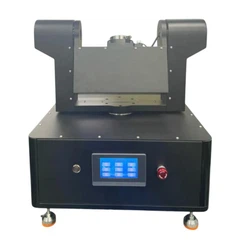
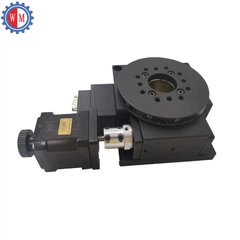
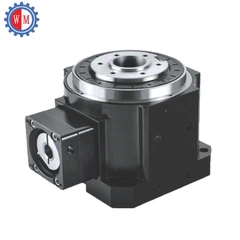
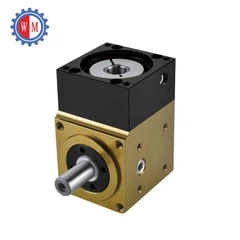


Hey there! As a supplier of right angle reducers, I've seen a lot of folks scratching their heads over how to adjust the speed of these nifty devices. So, I thought I'd put together this blog post to share some tips and tricks on getting the most out of your right angle reducer when it comes to speed adjustment.
First off, let's talk about what a right angle reducer is. It's a mechanical device that changes the direction of a rotating shaft by 90 degrees and, at the same time, can reduce the speed of the input shaft to the output shaft. These are super handy in all sorts of applications, from industrial machinery to robotics.
Now, why would you want to adjust the speed of a right angle reducer? Well, different applications require different speeds. Maybe you're running a conveyor belt and need to slow it down to pick and place items more precisely. Or perhaps you're working on a project where you need to increase the torque by reducing the speed. Whatever the reason, being able to adjust the speed is crucial.
One of the most common ways to adjust the speed of a right angle reducer is by changing the gear ratio. The gear ratio is the relationship between the number of teeth on the input gear and the output gear. A higher gear ratio means a lower output speed but higher torque, while a lower gear ratio gives you a higher output speed but lower torque.
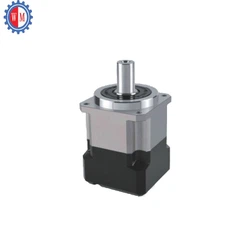
To change the gear ratio, you'll need to replace the gears in the reducer. This can be a bit of a hassle, as it usually involves disassembling the reducer. But if you're handy with tools and have a good understanding of how the gears work, it's definitely doable. Just make sure you choose the right gears for your application. You can find a wide range of gears for right angle reducers, like the Hollow Solid Shaft Right Angle Reducer and the Gear Head Speed Reducer on our website.
Another way to adjust the speed is by using a variable frequency drive (VFD). A VFD is an electronic device that controls the speed of an electric motor by changing the frequency of the electrical power supplied to the motor. By connecting the motor to the right angle reducer and using a VFD, you can easily adjust the speed of the entire system.
The advantage of using a VFD is that it's a non - invasive way to adjust the speed. You don't have to disassemble the reducer or replace any gears. You can simply adjust the settings on the VFD to change the speed. However, VFDs can be a bit pricey, so you'll need to weigh the cost against the benefits.
If you're using a hydraulic or pneumatic right angle reducer, you can adjust the speed by controlling the flow of fluid or air. For hydraulic systems, you can use a flow control valve to regulate the amount of hydraulic fluid flowing through the system. In pneumatic systems, a flow control valve can be used to control the air flow. By adjusting the flow, you can change the speed of the reducer.
Now, let's talk about some things to keep in mind when adjusting the speed of a right angle reducer. First, make sure you don't overload the reducer. If you increase the speed too much or try to get too much torque out of it, you could damage the gears or other components. Always refer to the manufacturer's specifications to see what the maximum speed and torque ratings are for your particular reducer.
Second, regular maintenance is key. Keep the reducer clean and well - lubricated. Check the gears for wear and tear regularly, especially if you're making frequent speed adjustments. A well - maintained reducer will last longer and perform better.
Third, safety should always be your top priority. When working on the reducer or adjusting the speed, make sure the power is off and the system is locked out. Wear appropriate safety gear, like gloves and safety glasses.
In conclusion, adjusting the speed of a right angle reducer can be done in several ways, depending on your specific needs and the type of reducer you're using. Whether it's changing the gear ratio, using a VFD, or controlling the fluid or air flow, there's a solution for you.
If you're in the market for a right angle reducer or need more information on speed adjustment, don't hesitate to reach out. We're here to help you find the perfect solution for your application. Whether you're a small - scale hobbyist or a large - scale industrial user, we've got the products and expertise to meet your needs. So, let's start a conversation and see how we can work together to get the most out of your right angle reducer.


References
- Machinery's Handbook: A comprehensive guide to mechanical engineering and manufacturing processes, which provides in - depth information on gears and speed reducers.
- Hydraulic and Pneumatic Systems Manual: This manual offers detailed information on how to control the speed of hydraulic and pneumatic components.
- Variable Frequency Drive Manufacturer's Guides: These guides provide specific information on how to use and program VFDs for different applications.


