

Hey there! As a supplier of Manual XY - Axis Stages, I often get asked whether these stages can be used in laser processing. Well, let's dig into this topic and find out.
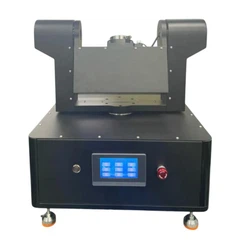
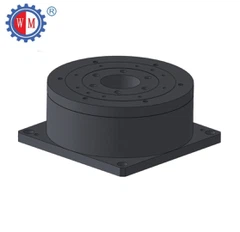
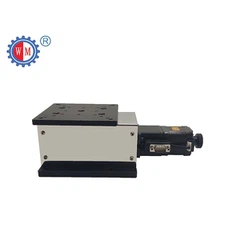
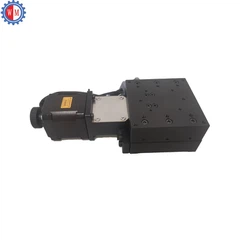
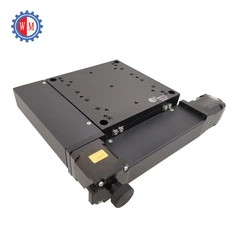
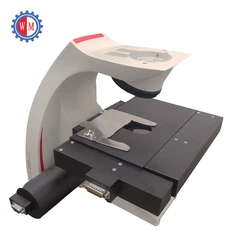
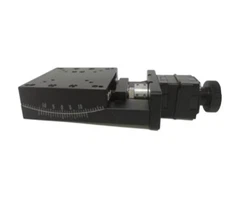
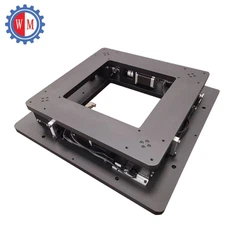
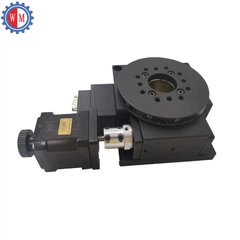
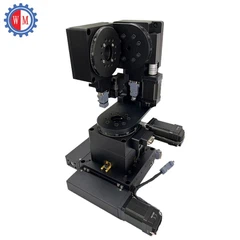
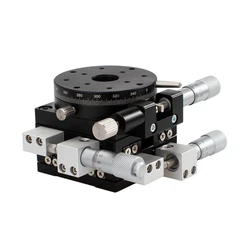
First off, what are Manual XY - Axis Stages? They're basically mechanical devices that allow for precise movement along the X and Y axes. You can think of them as a platform that can be adjusted manually to position an object exactly where you want it in a two - dimensional plane. There are different types, like the Manual Optical Alignment Stage, Manual XY Axis Positioning Stage, and XY Translation Stage.
Now, let's talk about laser processing. Laser processing is a wide - ranging term that covers a bunch of different applications. It includes laser cutting, where a high - powered laser beam is used to cut through materials like metal, wood, or plastic. Laser welding is another application, where the laser is used to join two pieces of material together. And there's also laser engraving, which creates detailed designs on the surface of an object.

So, can Manual XY - Axis Stages be used in these laser processing applications? The short answer is yes, they can, but it depends on a few factors.
Precision Requirements
One of the most important factors is the precision required for the laser processing task. In some high - end laser cutting or engraving jobs, the precision needed can be extremely high, sometimes down to the micrometer level. Manual XY - Axis Stages are capable of providing a good level of precision. However, they do have their limitations. The precision of a manual stage is largely dependent on the user's skill and the quality of the stage itself. For example, if you're doing a simple laser engraving on a piece of wood where the design doesn't require super - fine details, a Manual XY - Axis Stage can work just fine. But if you're working on a micro - scale electronic component where the laser needs to cut or weld with extreme accuracy, you might need a more advanced, automated stage.

Cost Considerations
Cost is another big factor. Manual XY - Axis Stages are generally more affordable than their automated counterparts. If you're a small business or a hobbyist who's just starting out with laser processing, investing in an expensive automated stage might not be feasible. A Manual XY - Axis Stage can be a cost - effective solution. You can get a decent quality stage at a relatively low price, and it can still perform well for many basic laser processing tasks. For instance, if you're running a small laser engraving shop that focuses on custom - made gifts, a Manual XY - Axis Stage can help you get the job done without breaking the bank.
Flexibility and Ease of Use
Manual XY - Axis Stages offer a lot of flexibility. You can easily adjust the position of the stage by hand, which is great for quick changes during the laser processing. If you need to move the object slightly to the left or right, or up and down, you can just turn the adjustment knobs on the stage. This is especially useful when you're doing some experimental laser processing. You can quickly test different positions and see how the laser interacts with the material. And they're relatively easy to use. You don't need to have a lot of technical knowledge to operate a manual stage. Just a bit of practice, and you'll be able to position your object accurately.
Limitations in High - Speed and Repetitive Tasks
However, Manual XY - Axis Stages do have some drawbacks when it comes to high - speed and repetitive laser processing tasks. In a production - line environment where you need to process a large number of parts quickly and consistently, manual stages might not be the best choice. The speed at which you can move the stage manually is limited, and it's difficult to maintain the same level of accuracy and speed over a long period of time. Automated stages can be programmed to move at a constant speed and repeat the same movements precisely, which is essential for high - volume production.
Real - World Applications
Let's look at some real - world examples of where Manual XY - Axis Stages are used in laser processing. In the art and craft industry, many artists use laser engravers with Manual XY - Axis Stages to create unique pieces. They can manually adjust the position of the workpiece to achieve the desired design. In educational institutions, Manual XY - Axis Stages are often used in laser processing labs. Students can learn the basics of laser processing by using these stages, and they can get hands - on experience with positioning and adjusting the workpiece.
Maintenance and Durability
Maintenance is another aspect to consider. Manual XY - Axis Stages are generally easier to maintain compared to automated stages. They have fewer complex components, so there's less that can go wrong. You just need to keep the moving parts clean and lubricated to ensure smooth operation. And if something does break, it's usually easier and cheaper to replace the parts. As for durability, a well - made Manual XY - Axis Stage can last a long time. It can withstand normal wear and tear, as long as it's used and maintained properly.

In conclusion, Manual XY - Axis Stages can definitely be used in laser processing. They offer a good balance of precision, cost, and ease of use for many applications. However, they might not be suitable for every situation, especially high - speed and high - precision production - line tasks.

If you're interested in learning more about our Manual XY - Axis Stages or are thinking about using them in your laser processing operations, feel free to reach out. We're here to help you find the right stage for your needs and can provide you with all the information you need to make an informed decision.
References
- "Introduction to Laser Processing Technology", various industry textbooks
- Manufacturer's specifications and documentation for Manual XY - Axis Stages


