
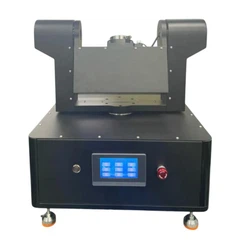
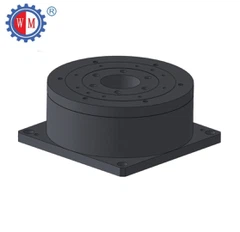
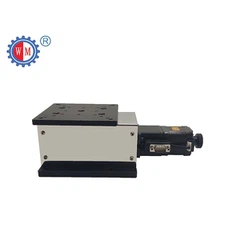
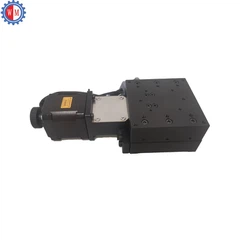
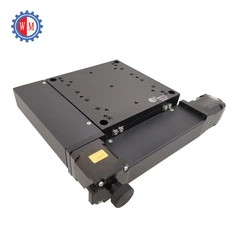
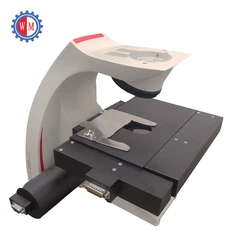
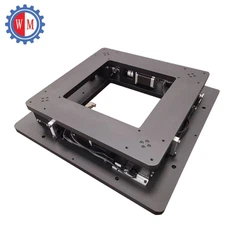
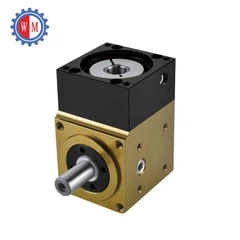
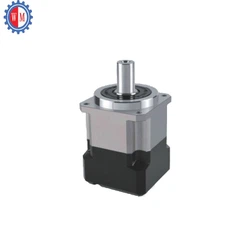
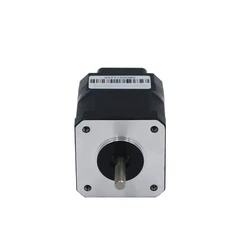


Replacing the motor in a motorized lab jack can seem like a daunting task, but with the right guidance and a bit of technical know - how, it can be accomplished smoothly. As a supplier of Motorized Lab Jacks, I've had extensive experience with these devices and understand the ins and outs of motor replacement. In this blog, I'll walk you through the step - by - step process of replacing the motor in a motorized lab jack.
Why Replace the Motor?
Before we dive into the replacement process, it's important to understand why you might need to replace the motor in the first place. Over time, motors can wear out due to continuous use, improper maintenance, or electrical issues. A failing motor may show symptoms such as reduced speed, unusual noises, or difficulty in achieving the desired elevation. In some cases, you may also want to upgrade the motor to improve the performance of your lab jack, for example, to increase the load capacity or achieve higher precision.
Tools and Materials You'll Need
- Screwdriver set: A variety of screwdrivers, including Phillips and flat - head, will be needed to remove the casing and fasteners holding the motor in place.
- Wrenches: Depending on the type of lab jack, you may need wrenches to loosen and tighten nuts and bolts.
- Multimeter: This tool is essential for checking the electrical connections and ensuring that the new motor is receiving the correct voltage.
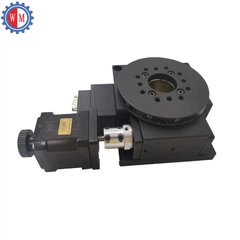
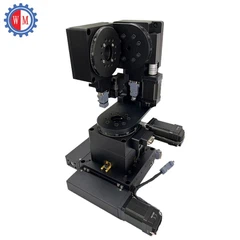
- New motor: Make sure to choose a motor that is compatible with your lab jack. You can refer to the product manual or contact our support team for guidance. We offer a range of motors suitable for different types of lab jacks, such as the High Precision Motorized Z Stage, Short Travel Motor Elevating Stage, and Heavy Load Lab Scissor Jack.
- Insulated electrical tape: This will be used to secure the electrical connections and prevent short - circuits.
Step - by - Step Replacement Process
Step 1: Safety First
Before you start working on the lab jack, make sure to disconnect it from the power source. This will prevent any electrical shocks or damage to the equipment. Also, wear appropriate safety gear, such as gloves and safety glasses, to protect yourself from any potential hazards.
Step 2: Remove the Casing
Most motorized lab jacks have a casing that covers the motor and other internal components. Use the appropriate screwdriver to remove the screws holding the casing in place. Carefully lift the casing off the lab jack and set it aside. Make sure to keep track of the screws so that you can easily reinstall the casing later.

Step 3: Locate the Motor
Once the casing is removed, you should be able to see the motor. It is usually located near the base of the lab jack and is connected to the lifting mechanism by a series of gears or belts. Take a moment to familiarize yourself with the motor's position and how it is connected to the rest of the system.
Step 4: Disconnect the Electrical Connections
Before removing the motor, you need to disconnect the electrical wires that are connected to it. Use the multimeter to identify the power wires and the control wires. Carefully remove the wire connectors or unscrew the terminals to disconnect the wires from the motor. Make sure to label the wires or take a picture of the connections so that you can easily reconnect them later.
Step 5: Remove the Motor Mounting Bolts
The motor is typically held in place by a few mounting bolts or screws. Use the appropriate wrench or screwdriver to loosen and remove these bolts. Once the bolts are removed, gently lift the motor out of the lab jack.
Step 6: Install the New Motor
Take the new motor and place it in the same position as the old motor. Align the mounting holes and insert the mounting bolts. Tighten the bolts securely, but be careful not to over - tighten them as this could damage the motor or the lab jack.
Step 7: Reconnect the Electrical Wires
Refer to the labels or the picture you took earlier to reconnect the electrical wires to the new motor. Make sure the connections are secure and use insulated electrical tape to wrap the connections and prevent any short - circuits.
Step 8: Reinstall the Casing
Once the new motor is installed and the electrical connections are made, carefully place the casing back on the lab jack. Align the holes and insert the screws. Tighten the screws to secure the casing in place.

Step 9: Test the Lab Jack
After reinstalling the casing, reconnect the lab jack to the power source. Turn on the power and test the lab jack to make sure the new motor is working properly. Check the elevation speed, load capacity, and any other functions to ensure that the lab jack is performing as expected.

Troubleshooting
If you encounter any problems during the motor replacement process or after testing the lab jack, here are some common issues and solutions:
- Motor not running: Check the electrical connections to make sure they are secure and that the motor is receiving the correct voltage. You can use a multimeter to test the voltage at the motor terminals.
- Unusual noises: This could indicate a problem with the motor or the gears. Check the motor for any loose parts or signs of damage. If the problem persists, contact our technical support team for further assistance.
- Incorrect elevation: Make sure the motor is properly calibrated and that the lifting mechanism is not obstructed. Refer to the product manual for calibration instructions.
Conclusion
Replacing the motor in a motorized lab jack is a task that can be completed with the right tools, knowledge, and a bit of patience. By following the steps outlined in this blog, you can ensure a successful motor replacement and keep your lab jack in optimal working condition.
As a supplier of Motorized Lab Jacks, we are committed to providing high - quality products and excellent customer service. If you have any questions about motor replacement or need help choosing the right motor for your lab jack, please don't hesitate to contact us. We are here to assist you with all your lab equipment needs. Whether you are looking for a High Precision Motorized Z Stage, a Short Travel Motor Elevating Stage, or a Heavy Load Lab Scissor Jack, we have the right solution for you. Contact us today to discuss your requirements and start the procurement process.
References
- "Motorized Lab Jack User Manual"
- "Electrical Motor Installation and Maintenance Guide"


