
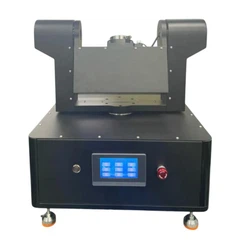
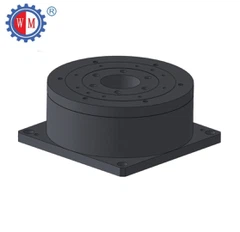
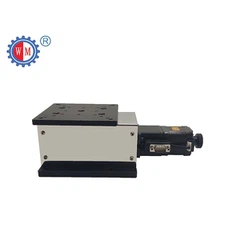
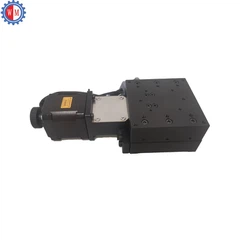
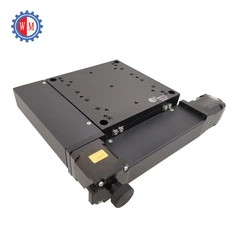
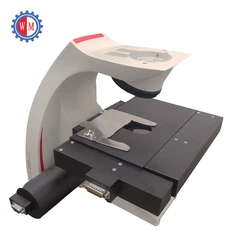
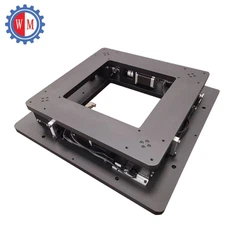
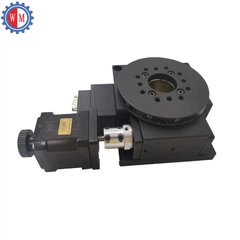
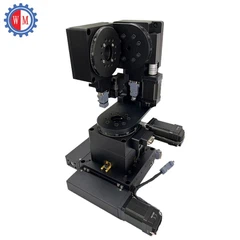
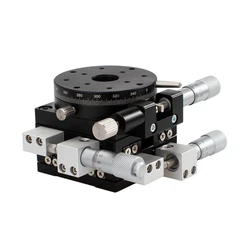
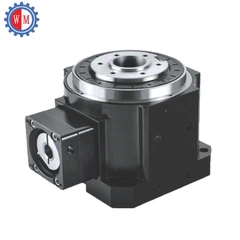
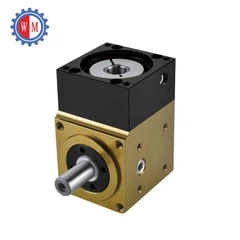


Hey there! As a supplier of Manual Rotary Stages, I often get asked about the materials used to make these nifty devices. Well, in this blog post, I'm gonna break it down for you and give you the lowdown on what goes into crafting a top-notch manual rotary stage.
The Basics of a Manual Rotary Stage
First off, let's quickly go over what a manual rotary stage is. It's a device that allows for precise rotation of an object around a central axis. These stages are used in a wide range of applications, from microscopy and photonics to industrial automation and quality control. They're a crucial tool for anyone who needs to position something accurately in a circular motion.
Key Materials in Manual Rotary Stages
1. Aluminum
Aluminum is one of the most commonly used materials in the construction of manual rotary stages. Why? Well, it's lightweight, corrosion-resistant, and has good thermal conductivity. These properties make it ideal for applications where weight is a concern, such as in portable equipment or when multiple stages are stacked on top of each other.
Aluminum is also relatively easy to machine, which means that manufacturers can create complex shapes and features with precision. This allows for the integration of things like bearings, gears, and locking mechanisms directly into the stage's design. You can check out our Manual Rotating Stage for examples of how aluminum is used in our products.
2. Stainless Steel
Stainless steel is another popular choice, especially for applications that require high strength and durability. It's resistant to rust and corrosion, making it suitable for use in harsh environments or where the stage may be exposed to chemicals or moisture.
Stainless steel is often used for components that need to withstand heavy loads or repeated use, such as the shafts, bearings, and locking screws. These parts need to be strong and reliable to ensure the long-term performance of the rotary stage. In addition, stainless steel has a sleek and professional appearance, which can be a plus for applications where aesthetics are important.
3. Brass
Brass is a metal alloy made primarily of copper and zinc. It's known for its excellent machinability, low friction, and good electrical conductivity. These properties make it a great choice for parts that need to move smoothly and accurately, such as the gears and worm drives in a manual rotary stage.
Brass is also resistant to wear and tear, which helps to extend the lifespan of the stage. It's often used in conjunction with other materials to create a balanced design that combines the best properties of each. For example, a brass gear may be paired with an aluminum housing to reduce weight while maintaining strength and performance.
4. Plastics
Plastics are increasingly being used in the construction of manual rotary stages, especially for non-structural components. They offer several advantages, including low cost, lightweight, and the ability to be molded into complex shapes.
Some common plastics used in rotary stages include polycarbonate, acrylic, and nylon. Polycarbonate is strong and impact-resistant, making it suitable for protective covers and enclosures. Acrylic is transparent and has a high optical clarity, which makes it useful for applications where visibility is important, such as in microscopy. Nylon is a tough and wear-resistant plastic that is often used for bushings and bearings to reduce friction and noise.


Other Components and Materials
1. Bearings
Bearings are a critical component of any manual rotary stage. They allow the stage to rotate smoothly and with minimal friction. There are several types of bearings that can be used, including ball bearings, roller bearings, and plain bearings.
Ball bearings are the most common type and are used in a wide range of applications. They consist of a series of balls that are held in place by a cage and roll between two races. Roller bearings are similar but use cylindrical rollers instead of balls, which allows them to handle heavier loads. Plain bearings, also known as bushings, are simple and inexpensive and are often used in applications where low speed and light loads are involved.
The materials used for bearings can vary depending on the application. Steel is the most common material, but ceramic and plastic bearings are also available. Ceramic bearings offer high strength, low friction, and excellent corrosion resistance, making them suitable for high-performance applications. Plastic bearings are lightweight, self-lubricating, and resistant to chemicals, which makes them a good choice for applications where maintenance is difficult or where the stage may be exposed to harsh environments.
2. Lubricants
Lubricants are used to reduce friction and wear between moving parts in a manual rotary stage. They help to ensure smooth operation and extend the lifespan of the stage. There are several types of lubricants that can be used, including oils, greases, and dry lubricants.
Oils are thin and flow easily, which makes them suitable for high-speed applications. They provide good lubrication and cooling but may require more frequent reapplication. Greases are thicker and more viscous, which makes them better suited for low-speed and high-load applications. They stay in place better than oils and require less frequent reapplication. Dry lubricants, such as graphite and PTFE, are used in applications where oil or grease may not be suitable, such as in cleanroom environments or where the stage may be exposed to high temperatures.
3. Fasteners
Fasteners, such as screws, bolts, and nuts, are used to hold the various components of a manual rotary stage together. They need to be strong and reliable to ensure the integrity of the stage. The materials used for fasteners can vary depending on the application, but stainless steel and titanium are common choices due to their strength and corrosion resistance.
Quality Control and Testing
At our company, we take quality control very seriously. We use only the highest quality materials and components in the construction of our manual rotary stages. Each stage undergoes a rigorous testing process to ensure that it meets our strict standards for accuracy, precision, and durability.
We also offer a range of customization options to meet the specific needs of our customers. Whether you need a stage with a specific size, load capacity, or rotation angle, we can work with you to create a solution that fits your requirements.
Why Choose Our Manual Rotary Stages?
There are several reasons why you should choose our manual rotary stages. First and foremost, we have a team of experienced engineers and technicians who are dedicated to providing the best products and services. We use the latest manufacturing techniques and equipment to ensure that our stages are of the highest quality.
In addition, we offer competitive pricing and fast turnaround times. We understand that time is money, and we strive to get your order to you as quickly as possible. We also provide excellent customer support, so if you have any questions or concerns, our team is here to help.
Contact Us for Your Manual Rotary Stage Needs
If you're in the market for a manual rotary stage, we'd love to hear from you. Whether you're a researcher, an engineer, or an industrial user, we have the expertise and the products to meet your needs. Contact us today to discuss your requirements and get a quote. We look forward to working with you!
References
- "Materials Science and Engineering: An Introduction" by William D. Callister Jr. and David G. Rethwisch
- "Mechanical Design Handbook" by Myer Kutz
- Various industry publications and technical resources


