
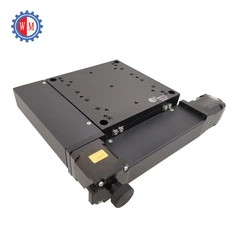
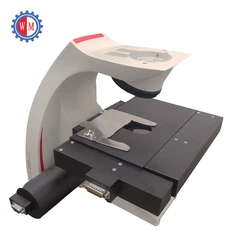
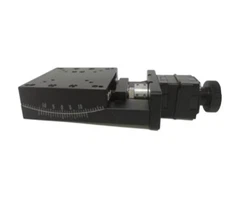
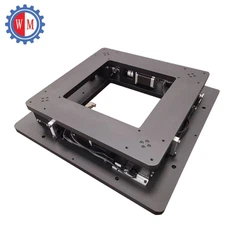
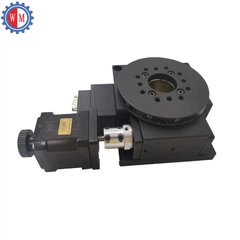
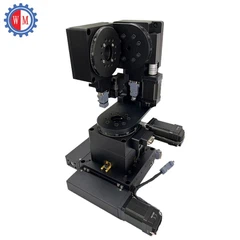
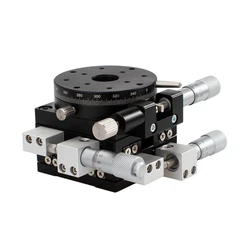
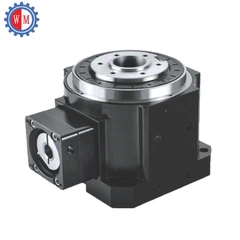


Hey there! As a supplier of motorized gimbal stages, I often get asked about the materials used to make these nifty devices. So, I thought I'd take a moment to break it down for you.
First off, let's talk about the frame. The frame is like the backbone of the motorized gimbal stage. It provides the structure and support for all the other components. Most of the time, we use aluminum for the frame. Why aluminum? Well, it's lightweight yet strong. This means that the gimbal stage won't be too heavy to move around, but it can still handle the stress of holding the payload and withstanding the movements. Aluminum also has good corrosion resistance, which is a big plus, especially if the gimbal stage is going to be used in a less-than-ideal environment.
Another option for the frame material is steel. Steel is incredibly strong and durable. It can handle a lot of weight and is less likely to bend or break under heavy loads. However, the downside of steel is that it's much heavier than aluminum. So, if you're looking for a more portable motorized gimbal stage, steel might not be the best choice. But for applications where strength is the top priority, like in some industrial settings, steel can be a great option.
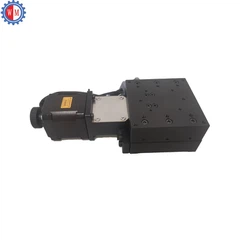
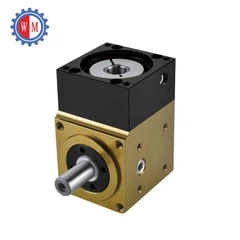
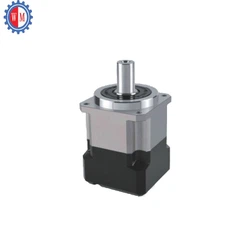
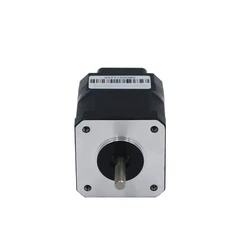
Now, let's move on to the motors. Motors are what make the gimbal stage move, so they're pretty important. There are a few different types of motors that can be used, but two of the most common are stepper motors and servo motors.
Stepper motors are a popular choice because they're relatively inexpensive and easy to control. They work by moving in discrete steps, which means you can precisely control the position of the gimbal stage. This makes them great for applications where you need to make small, accurate movements, like in photography or some types of testing.
Servo motors, on the other hand, are more precise and can provide smoother movements. They use a feedback system to continuously adjust the position of the motor, which allows for more accurate control. Servo motors are often used in high-end motorized gimbal stages, especially those used in professional filmmaking or aerospace applications. The materials used in motors can vary, but they typically include copper windings, magnets, and various types of plastics and metals for the housing.
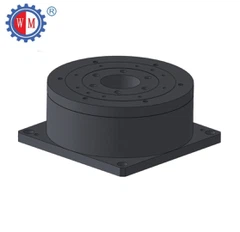
Next up are the bearings. Bearings are what allow the different parts of the gimbal stage to move smoothly. They reduce friction and ensure that the movements are as precise as possible. There are several types of bearings that can be used, such as ball bearings and roller bearings.
Ball bearings are the most common type. They consist of small metal balls that roll between two rings. Ball bearings are known for their low friction and high load capacity, which makes them a great choice for motorized gimbal stages. The balls are usually made of steel, while the rings can be made of steel or other metals.
Roller bearings are similar to ball bearings, but they use cylindrical rollers instead of balls. Roller bearings can handle heavier loads than ball bearings, but they also tend to be a bit more expensive. The materials used in roller bearings are also typically steel.
The control board is another crucial component of a motorized gimbal stage. It's like the brain of the device, telling the motors when and how to move. The control board is usually made up of a printed circuit board (PCB) with various electronic components, such as microcontrollers, sensors, and resistors. The PCB is typically made of fiberglass, which is a strong and lightweight material that can withstand the heat and electrical currents generated by the components.
The sensors are what allow the control board to know the position and orientation of the gimbal stage. There are several types of sensors that can be used, including accelerometers, gyroscopes, and magnetometers. These sensors are made up of various materials, such as silicon and other semiconductors, and they work together to provide accurate information about the movement and position of the gimbal stage.


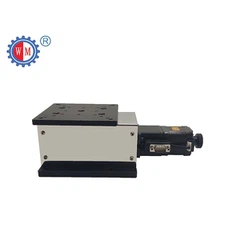
Now, let's talk about the payload mounting plate. This is the part of the gimbal stage where you attach your camera, sensor, or other payload. The payload mounting plate is usually made of aluminum or steel, just like the frame. It needs to be strong enough to hold the payload securely, but also lightweight enough not to add too much extra weight to the gimbal stage.
In addition to these main components, there are also other small parts and materials that are used in a motorized gimbal stage, such as screws, nuts, and bolts. These are typically made of steel or other metals and are used to hold the different parts of the gimbal stage together.
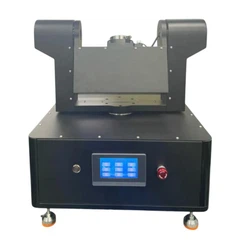
If you're interested in a high-quality motorized gimbal stage, you might want to check out our Dual-Axis Inertial Navigation Test Bench. It's a great example of the kind of precision and quality that we offer as a supplier.
So, there you have it! That's a breakdown of the materials used to make a motorized gimbal stage. As you can see, a lot of thought and engineering goes into choosing the right materials to ensure that the gimbal stage is strong, lightweight, and precise. If you have any questions or are interested in purchasing a motorized gimbal stage, feel free to reach out. We're always happy to help you find the perfect solution for your needs.
References:
- Engineering textbooks on motion control and robotics
- Manufacturer specifications for motors, bearings, and other components


