


Hey there, folks! As a supplier of Integrated Stepper Motors, I often get asked about the temperature range for these motors to operate normally. It's a crucial topic, as temperature can significantly impact the performance and lifespan of these motors. So, let's dive right in and explore this essential aspect.
Understanding the Basics of Integrated Stepper Motors
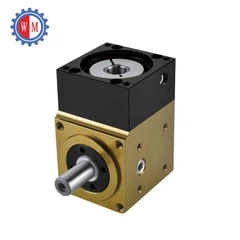
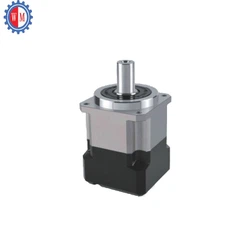
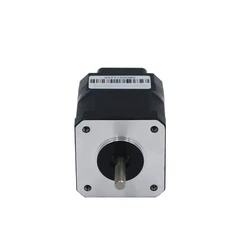
Before we get into the temperature part, let's quickly go over what Integrated Stepper Motors are. Integrated Stepper Motors combine a stepper motor with a driver and sometimes other control features into a single unit. This integration simplifies the setup and reduces the amount of wiring needed, making them a popular choice in various applications, from 3D printers to automated manufacturing equipment.


There are different types of Integrated Stepper Motors available in the market, such as Integrated Dc Motor, Closed Loop Stepper Integrated Motor, and Modbus RS485 Integrated Motor. Each type has its own unique features and is suitable for different applications.
The Ideal Temperature Range for Normal Operation
The temperature range for an Integrated Stepper Motor to operate normally typically falls between -20°C to 60°C (-4°F to 140°F). This range ensures that the motor can function efficiently without any significant performance degradation.
Lower Temperature Limit (-20°C)
When the temperature drops below -20°C, several issues can arise. The lubricants used in the motor bearings can thicken, increasing friction. This increased friction can lead to higher power consumption and may even cause the motor to stall. Additionally, the electrical properties of the motor's windings and components can change at very low temperatures, affecting the motor's overall performance.
Upper Temperature Limit (60°C)
On the other hand, when the temperature exceeds 60°C, the motor's performance can also be negatively impacted. High temperatures can cause the insulation of the motor windings to degrade over time, leading to a higher risk of short circuits. The magnetic properties of the motor's core can also change at elevated temperatures, reducing the motor's torque output. Moreover, the electronic components in the integrated driver can become less reliable, increasing the chances of system failures.
Factors Affecting Temperature Range
Several factors can affect the actual temperature range within which an Integrated Stepper Motor can operate:
Ambient Temperature
The temperature of the environment where the motor is installed is a significant factor. If the motor is used in a hot industrial environment or in a poorly ventilated enclosure, the ambient temperature can be quite high, pushing the motor closer to its upper temperature limit. Conversely, in cold storage facilities or outdoor applications during winter, the ambient temperature can be below the lower limit.
Load Conditions
The load that the motor has to drive also plays a role. A heavy load requires the motor to draw more current, which in turn generates more heat. If the motor is constantly operating under a high load, it will heat up more quickly and may exceed the normal temperature range.
Duty Cycle
The duty cycle refers to the ratio of the time the motor is operating to the total time. A motor with a high duty cycle, meaning it is running for long periods without much rest, will generate more heat compared to a motor with a lower duty cycle.
Monitoring and Controlling Temperature
To ensure that an Integrated Stepper Motor operates within the normal temperature range, it's essential to monitor and control the temperature. Here are some ways to do that:
Temperature Sensors
Many modern Integrated Stepper Motors come equipped with temperature sensors. These sensors can monitor the motor's temperature in real-time and send signals to the control system. If the temperature exceeds a certain threshold, the control system can take appropriate actions, such as reducing the motor's speed or shutting it down temporarily.
Cooling Systems
In applications where the ambient temperature is high or the motor operates under heavy loads, cooling systems may be necessary. There are two main types of cooling systems: passive and active.
- Passive Cooling: This involves using heat sinks, which are metal structures that absorb and dissipate heat from the motor. Heat sinks are relatively simple and cost-effective, but their cooling capacity is limited.
- Active Cooling: Active cooling systems, such as fans or liquid cooling systems, are more effective in removing heat from the motor. Fans blow air over the motor to increase the rate of heat transfer, while liquid cooling systems circulate a coolant around the motor to absorb and carry away the heat.
Importance of Operating within the Normal Temperature Range
Operating an Integrated Stepper Motor within the normal temperature range is crucial for several reasons:
Performance
When the motor operates within the recommended temperature range, it can provide consistent and reliable performance. The motor's torque output, speed, and accuracy will remain stable, ensuring that the application functions as intended.
Lifespan
Excessive heat or cold can significantly reduce the lifespan of the motor. High temperatures can cause the insulation to degrade, the bearings to wear out faster, and the electronic components to fail prematurely. On the other hand, low temperatures can cause mechanical damage to the motor. By operating within the normal temperature range, you can extend the motor's lifespan and reduce the need for frequent replacements.
Energy Efficiency
A motor operating at the right temperature is more energy-efficient. When the motor is too hot, it has to consume more power to maintain its performance, leading to increased energy costs. By keeping the motor within the normal temperature range, you can optimize its energy consumption and save on operating costs.
Conclusion
So, there you have it! The normal temperature range for an Integrated Stepper Motor is typically between -20°C to 60°C. Understanding the factors that affect this range and taking appropriate measures to monitor and control the temperature is essential for ensuring the motor's performance, lifespan, and energy efficiency.
If you're in the market for high-quality Integrated Stepper Motors or have any questions about their temperature requirements, feel free to reach out. We're here to help you find the best solution for your specific application. Let's start a conversation and explore how our motors can meet your needs.
References
- "Stepper Motor Handbook" by Brian C. Faulhaber
- Application notes from various Integrated Stepper Motor manufacturers


