

The service life of an integrated stepper motor is a critical concern for both manufacturers and end - users. As a supplier of integrated stepper motors, I've witnessed firsthand the diverse factors that influence how long these motors can operate effectively. In this blog, we'll delve into the key elements that determine the service life of an integrated stepper motor, and also introduce some of our popular products.
1. Understanding Integrated Stepper Motors
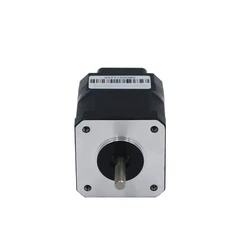
Integrated stepper motors combine a stepper motor with a driver, and sometimes additional control features. This integration simplifies the installation process and reduces the overall system footprint. Our product range includes CAN Bus Control Integrated Stepper Motor, Modbus RS485 Integrated Motor, and Integrated Dc Motor. Each of these motors is designed to meet different application requirements, but they all share common aspects when it comes to service life.
2. Factors Affecting the Service Life of Integrated Stepper Motors
2.1. Quality of Components
The quality of the motor's internal components is the foundation of its service life. High - grade materials for the stator, rotor, and winding can significantly enhance durability. For example, using premium copper for the winding reduces resistance and heat generation. Heat is one of the main enemies of a motor, as excessive heat can cause insulation breakdown, demagnetization of the rotor, and mechanical wear. Our motors are built with top - quality materials to ensure long - term performance.
2.2. Operating Conditions
The environment in which the motor operates plays a crucial role. Temperature, humidity, and dust can all impact the motor's lifespan. High temperatures can accelerate the aging of the motor's components, while high humidity can lead to corrosion. Dust can accumulate on the motor's surfaces and in its internal parts, causing abrasion and overheating. In industrial settings, motors may be exposed to harsh chemicals or vibrations, which can also take a toll on their performance.
2.3. Load and Duty Cycle
The load placed on the motor and its duty cycle are important factors. A motor that is constantly overloaded will experience more stress and wear. The duty cycle, which refers to the ratio of the motor's on - time to its total cycle time, also affects its lifespan. A motor with a high - duty cycle, meaning it runs for long periods without rest, will wear out faster than one with a lower duty cycle. It's essential to select a motor that is appropriately sized for the application to ensure optimal performance and longevity.
2.4. Control and Drive System
The control and drive system of the integrated stepper motor can influence its service life. A well - designed drive system can provide smooth and precise control, reducing mechanical stress on the motor. On the other hand, a poorly designed drive system may cause the motor to operate inefficiently, leading to increased heat and wear. Our motors are equipped with advanced drive systems that optimize performance and extend the motor's lifespan.
3. Estimating the Service Life of Integrated Stepper Motors
There is no one - size - fits - all answer to how long an integrated stepper motor will last. However, under normal operating conditions, a well - made integrated stepper motor can have a service life of 10,000 to 30,000 hours. This estimate is based on a motor operating at a moderate load, in a clean and temperate environment, and with a reasonable duty cycle.


For applications where the motor is exposed to more severe conditions, such as high - temperature industrial settings or continuous operation, the service life may be reduced. In these cases, regular maintenance and monitoring can help to extend the motor's lifespan.
4. Maintenance and Monitoring
4.1. Regular Inspections
Regular inspections are essential for detecting early signs of wear and damage. Inspect the motor for any visible signs of overheating, such as discoloration or a burning smell. Check the connections and wiring for looseness or corrosion. Lubricate the motor's bearings if required, following the manufacturer's recommendations.
4.2. Temperature Monitoring
Monitoring the motor's temperature is a good way to assess its health. Excessive temperature can indicate an overloaded motor or a problem with the drive system. Installing a temperature sensor on the motor can help to detect temperature spikes and take corrective action before damage occurs.
4.3. Performance Monitoring
Keep track of the motor's performance over time. Monitor parameters such as speed, torque, and current. Any significant changes in these parameters may indicate a problem with the motor or its drive system.
5. Our Commitment to Quality and Longevity
As a supplier of integrated stepper motors, we are committed to providing high - quality products with long service lives. We use the latest manufacturing techniques and high - grade materials to ensure the durability of our motors. Our R & D team is constantly working on improving the design and performance of our products to meet the evolving needs of our customers.
We also offer comprehensive technical support to our customers. Our team of experts can help with motor selection, installation, and troubleshooting. We believe that by providing excellent products and support, we can build long - term relationships with our customers.
6. Conclusion
The service life of an integrated stepper motor is determined by a variety of factors, including component quality, operating conditions, load, and the control system. By understanding these factors and taking appropriate measures, such as proper maintenance and monitoring, users can extend the lifespan of their motors.
If you are in the market for integrated stepper motors, we invite you to explore our product range, including CAN Bus Control Integrated Stepper Motor, Modbus RS485 Integrated Motor, and Integrated Dc Motor. Our products are designed to provide reliable and long - lasting performance. We are ready to discuss your specific requirements and help you find the perfect motor for your application. Contact us to start the procurement and negotiation process.
References
- "Stepper Motor Handbook" by Peter C. Sinapis
- "Electric Motors and Drives: Fundamentals, Types, and Applications" by Austin Hughes


