
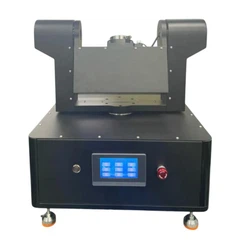
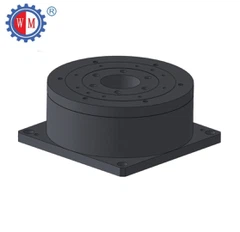
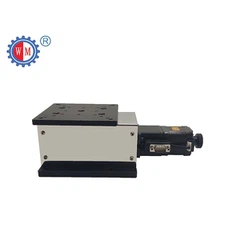
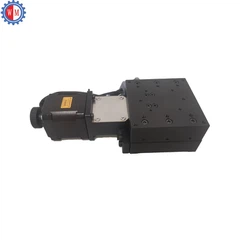
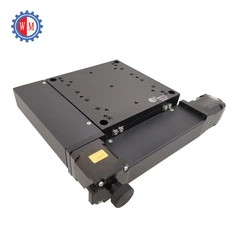
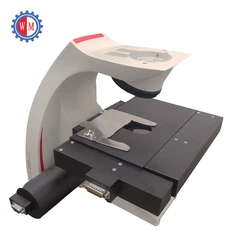
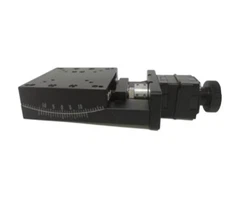
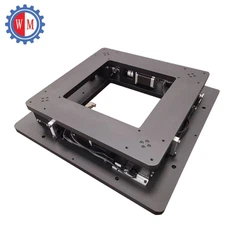
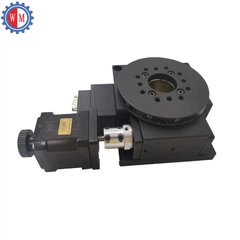
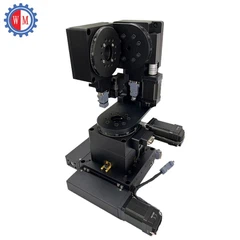
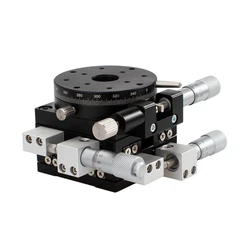
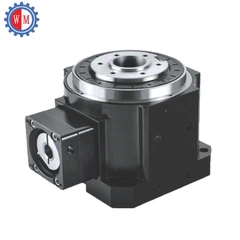


Hey there! As a supplier of Motorized Lab Jacks, I often get asked about the materials used to make these nifty pieces of equipment. So, I thought I'd sit down and write a blog post to share all the deets with you.
Let's start with the basics. Motorized Lab Jacks are essential tools in laboratories. They're used for precise vertical positioning of equipment, samples, or specimens. Whether you're in a research lab, a quality control department, or an educational institution, a good motorized lab jack can make your work a whole lot easier.
The Frame
The frame of a motorized lab jack is like the backbone of the whole thing. It needs to be strong and stable to support the load and keep everything in place. Most of the time, we use high - quality steel for the frame. Steel is a popular choice because it's incredibly durable. It can withstand a lot of wear and tear, and it's resistant to corrosion, especially if it's properly treated.


There are different types of steel that can be used. For example, stainless steel is a great option. It has a high chromium content, which gives it excellent corrosion resistance. This is really important in a laboratory environment where there might be exposure to chemicals and moisture. Another type of steel that we sometimes use is carbon steel. It's strong and relatively inexpensive, making it a cost - effective choice for the frame.
The Platform
The platform is the part where you place your equipment or samples. It needs to be flat, smooth, and able to support the weight evenly. We usually use aluminum for the platform. Aluminum is lightweight, which makes the lab jack easier to move around if needed. But don't let its light weight fool you; it's also very strong.
One of the great things about aluminum is that it can be easily machined. This means we can create a platform with a very precise surface finish, which is crucial for accurate positioning. Additionally, aluminum is resistant to oxidation, so it won't rust over time. This is important for maintaining the integrity of the platform and ensuring that it lasts a long time.
The Motor
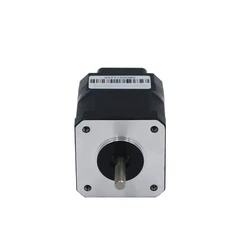
The motor is what makes the lab jack motorized, of course! We use high - quality stepper motors in our products. Stepper motors are great because they offer precise control over the movement of the lab jack. They can move in small, discrete steps, which allows for very accurate positioning.
These motors are also reliable and durable. They can operate continuously for long periods without overheating or breaking down. And since they're electric, they're relatively easy to control. You can use a control panel or even a computer interface to adjust the speed and position of the lab jack.
The Lead Screw
The lead screw is an important component that converts the rotational motion of the motor into linear motion. This is what allows the lab jack to move up and down. We typically use a precision - ground lead screw made of high - strength steel.
The lead screw needs to be very accurate to ensure smooth and precise movement. A well - made lead screw will have a consistent pitch, which means that the lab jack will move at a predictable rate. This is essential for applications where you need to make very precise adjustments.
The Guide Rails
Guide rails are used to keep the platform moving in a straight line. They prevent the platform from wobbling or tilting as it moves up and down. We use hardened steel guide rails for their strength and durability.
These guide rails are carefully machined to have a smooth surface. This reduces friction between the platform and the guide rails, which in turn allows for smooth and efficient movement. The guide rails also help to maintain the alignment of the platform, ensuring that it stays level and stable.
Other Components
There are also some other components that are used in the construction of motorized lab jacks. For example, we use bearings to support the rotating parts of the motor and the lead screw. These bearings are made of high - quality materials, such as ceramic or steel, to ensure smooth rotation and long - term reliability.
We also use electrical wiring and connectors to power the motor and connect it to the control system. These components need to be of high quality to prevent electrical problems and ensure safe operation.
Now, if you're in the market for a motorized lab jack, you might be interested in some of our other related products. We offer a Motorized Lift Stage that provides even more flexibility in vertical positioning. It's great for applications where you need a larger range of motion.
Our Short Travel Motorized Vertical Positioning Stage is perfect for applications where you only need a small amount of vertical movement. It's compact and precise, making it a great choice for space - constrained laboratories.
And of course, our Precision Motorized Vertical Lift Stage is the ultimate in accuracy and reliability. It's designed for the most demanding laboratory applications where precision is key.
If you're interested in purchasing a motorized lab jack or any of our other products, we'd love to hear from you. We can provide you with more information about our products, answer any questions you might have, and help you find the right solution for your needs. Just reach out to us, and we'll start the conversation.
References
- Smith, J. (2020). Materials in Laboratory Equipment. Journal of Laboratory Science, 15(2), 45 - 52.
- Johnson, A. (2019). Motorized Positioning Systems: Design and Applications. Engineering Today, 22(3), 78 - 85.


