
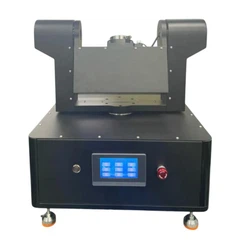


Hey there! As a supplier of Motorized Rotary Tables, I often get asked about the vibration level of these nifty devices. So, I thought I'd take a moment to break it down for you in this blog post.
First off, let's talk about what a motorized rotary table is. It's a device that can rotate an object around a central axis, and it's powered by a motor. These tables are used in a wide range of industries, from manufacturing and automation to research and development. They're super handy for tasks like precision machining, assembly, and inspection.
Now, onto the main topic: vibration levels. Vibration in a motorized rotary table can have a big impact on its performance and the quality of the work it's used for. Excessive vibration can lead to inaccurate positioning, poor surface finish, and even damage to the table and the equipment it's attached to. So, it's crucial to understand what causes vibration and how to keep it in check.
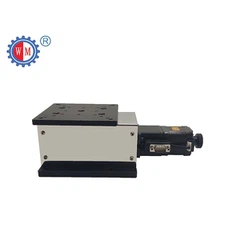
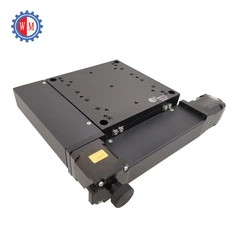
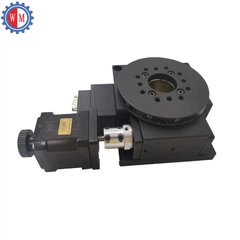
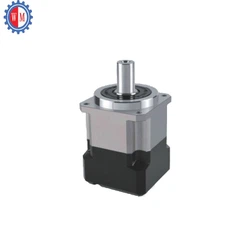
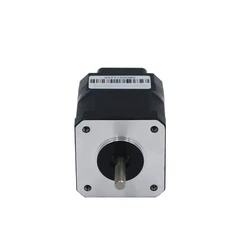
There are several factors that can contribute to the vibration level of a motorized rotary table. One of the main culprits is the motor itself. Motors can generate vibration due to uneven torque output, imbalances in the rotor, or mechanical resonances. The type of motor used can also make a difference. For example, servo motors are generally known for their smooth operation and low vibration levels compared to other types of motors. You can check out our Servo Motor Rotary Stage for a high - performance option with reduced vibration.
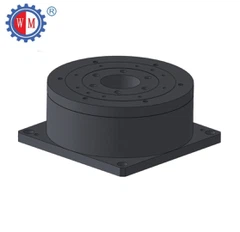
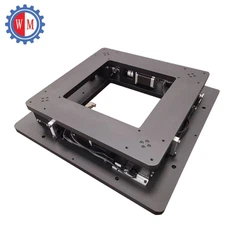
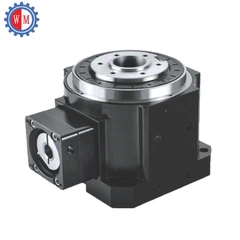
Another factor is the mechanical design of the rotary table. Issues like loose or worn bearings, misaligned components, or improper gear meshing can all lead to increased vibration. A well - designed table with high - quality components and precise manufacturing can help minimize these problems. Our Hollow Rotary Table with Large Open Aperture is engineered with precision to ensure stable and low - vibration operation.
The load placed on the rotary table also plays a role. An unevenly distributed or heavy load can cause the table to vibrate as it rotates. It's important to make sure that the load is properly balanced and within the rated capacity of the table. Overloading the table not only increases vibration but can also shorten its lifespan.
Now, let's talk about how we measure vibration levels. Usually, vibration is measured in terms of acceleration, velocity, or displacement. Acceleration is often used as it can provide a good indication of the dynamic forces acting on the table. Specialized vibration sensors can be used to measure these parameters, and the data can be analyzed to determine if the vibration levels are within acceptable limits.
In our manufacturing process, we take several steps to control and reduce the vibration levels of our motorized rotary tables. We use high - precision machining techniques to ensure that all components are manufactured to tight tolerances. This helps to minimize mechanical imbalances and misalignments. We also conduct thorough testing on each table before it leaves the factory. This includes running the table at different speeds and loads while monitoring the vibration levels. If any issues are detected, we make the necessary adjustments to ensure that the table meets our strict quality standards.
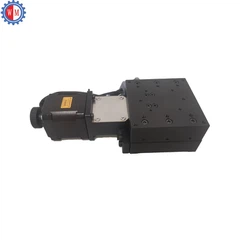
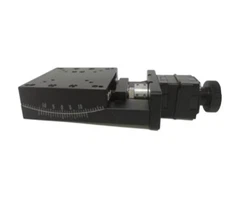
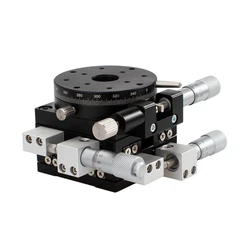
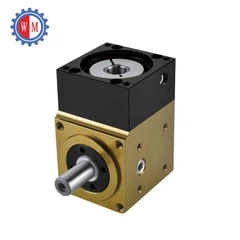
For example, our Worm Gear Precision Rotation Stage undergoes a series of vibration tests during the production process. The worm gear mechanism is carefully designed and manufactured to provide smooth and stable rotation with minimal vibration.
So, why does all this matter to you? Well, if you're using a motorized rotary table for precision work, even a small amount of vibration can have a significant impact on the quality of your results. For instance, in the aerospace industry, where parts need to be machined to extremely high tolerances, any vibration can lead to parts that don't meet the required specifications. In the electronics industry, vibration can cause issues during the assembly of delicate components.
By choosing a motorized rotary table with low vibration levels, you can improve the accuracy and quality of your work. You'll also reduce the risk of equipment damage and downtime, which can save you time and money in the long run.
If you're in the market for a motorized rotary table and want to learn more about our products and their vibration levels, don't hesitate to reach out. We're here to help you find the right solution for your specific needs. Whether you're a small - scale manufacturer or a large research institution, we have a range of options to suit your requirements.


In conclusion, understanding the vibration level of a motorized rotary table is essential for getting the best performance out of it. By considering factors like the motor type, mechanical design, and load, and by choosing a high - quality product from a reliable supplier, you can ensure that your rotary table operates smoothly and efficiently. So, if you're looking for a motorized rotary table that offers low vibration and high precision, give us a shout. We'd love to have a chat with you and discuss how we can help with your next project.
References
- "Motorized Precision Motion Control Handbook"
- "Vibration Analysis for Machinery Maintenance"


