


As a provider of UVW Align Stages, I often encounter inquiries from customers regarding the minimum alignment scale achievable by these precision instruments. In this blog post, I will delve into the technical aspects of UVW Align Stages and explore the factors that determine their minimum alignment scale.
Understanding UVW Align Stages
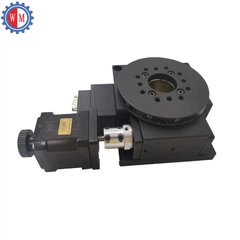
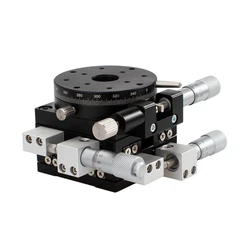
UVW Align Stages are sophisticated positioning devices used in various industries, including semiconductor manufacturing, photonics, and microscopy. These stages offer three degrees of freedom - translation along the U and V axes and rotation around the W axis - allowing for precise alignment of components with high accuracy.
The primary function of a UVW Align Stage is to position an object in a specific location with sub-micron precision. This is crucial in applications where the alignment of components can significantly impact the performance and functionality of the final product. For example, in semiconductor manufacturing, the precise alignment of wafers and masks is essential for the production of high-quality integrated circuits.
Factors Affecting the Minimum Alignment Scale
The minimum alignment scale that a UVW Align Stage can achieve is influenced by several factors, including the design of the stage, the quality of its components, and the control system used. Let's take a closer look at each of these factors:
Stage Design
The mechanical design of a UVW Align Stage plays a crucial role in determining its alignment accuracy. A well-designed stage should have a rigid structure to minimize vibrations and ensure stable positioning. Additionally, the stage should be designed to minimize backlash and hysteresis, which can affect the repeatability of the alignment process.
One of the key design features of a high-precision UVW Align Stage is the use of linear guides. Linear guides provide smooth and precise motion along the U and V axes, ensuring accurate positioning of the stage. The quality of the linear guides, including their material, manufacturing process, and lubrication, can significantly impact the alignment accuracy of the stage.
Another important design consideration is the drive mechanism used in the stage. There are several types of drive mechanisms available, including stepper motors, servo motors, and piezoelectric actuators. Each type of drive mechanism has its own advantages and disadvantages in terms of accuracy, speed, and cost.
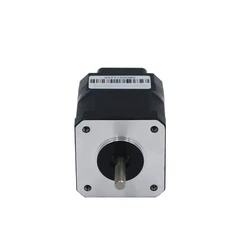
Stepper motors are commonly used in UVW Align Stages due to their simplicity and low cost. However, stepper motors have limited accuracy and can suffer from step loss, which can affect the alignment precision. Servo motors, on the other hand, offer higher accuracy and better dynamic performance compared to stepper motors. Piezoelectric actuators provide the highest level of accuracy and resolution, but they are also the most expensive.
Component Quality
The quality of the components used in a UVW Align Stage can also have a significant impact on its alignment accuracy. High-quality components, such as bearings, linear guides, and drive motors, are essential for ensuring smooth and precise motion of the stage.
In addition to the mechanical components, the electronic components used in the control system of the stage also play a crucial role in determining its alignment accuracy. The control system should be able to accurately measure the position of the stage and provide precise control signals to the drive motors.
Control System
The control system of a UVW Align Stage is responsible for accurately positioning the stage based on the input commands. A high-precision control system should be able to provide closed-loop feedback control, which allows for real-time adjustment of the stage position based on the measured position.
Closed-loop feedback control is typically achieved using position sensors, such as encoders or linear potentiometers. These sensors measure the position of the stage and provide feedback to the control system, which can then adjust the drive motors to ensure accurate positioning.
The performance of the control system, including its sampling rate, control algorithm, and communication interface, can also affect the alignment accuracy of the stage. A high-performance control system should be able to provide fast and accurate control signals to the drive motors, ensuring smooth and precise motion of the stage.
Achievable Minimum Alignment Scale
The minimum alignment scale that a UVW Align Stage can achieve depends on the specific design and configuration of the stage. In general, high-precision UVW Align Stages can achieve alignment accuracies in the sub-micron range, with some stages capable of achieving nanometer-level alignment.


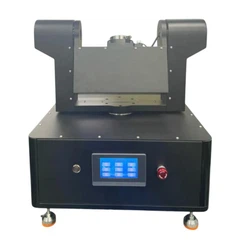
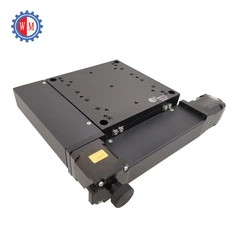
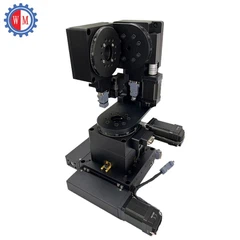
For example, our Motorized UVW Alignment Stage is designed to provide high-precision alignment with a minimum alignment scale of ±0.1 µm. This stage features a rigid mechanical structure, high-quality linear guides, and a high-performance servo motor drive system, ensuring smooth and precise motion along the U and V axes.
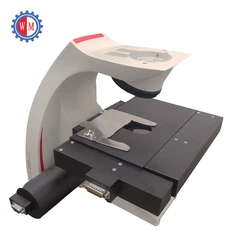
Our Visual Alignment Stage is another example of a high-precision UVW Align Stage. This stage is equipped with a vision system that allows for real-time monitoring and adjustment of the alignment process. The vision system provides high-resolution images of the alignment targets, allowing for accurate alignment with a minimum alignment scale of ±0.05 µm.
Applications of High-Precision UVW Align Stages
The high-precision alignment capabilities of UVW Align Stages make them ideal for a wide range of applications, including:
Semiconductor Manufacturing
In semiconductor manufacturing, UVW Align Stages are used for the precise alignment of wafers and masks during the photolithography process. The high accuracy and repeatability of these stages are essential for ensuring the production of high-quality integrated circuits.
Photonics
In photonics, UVW Align Stages are used for the alignment of optical components, such as lasers, waveguides, and detectors. The precise alignment of these components is crucial for the efficient transmission and detection of light signals.
Microscopy
In microscopy, UVW Align Stages are used for the precise positioning of specimens and objectives. The high-precision alignment capabilities of these stages allow for high-resolution imaging and analysis of biological and materials samples.
Conclusion
In conclusion, the minimum alignment scale that a UVW Align Stage can achieve depends on several factors, including the design of the stage, the quality of its components, and the control system used. High-precision UVW Align Stages can achieve alignment accuracies in the sub-micron range, with some stages capable of achieving nanometer-level alignment.
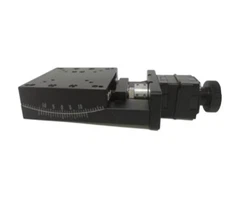
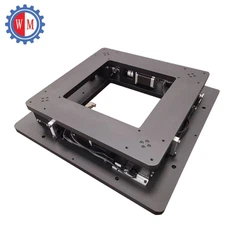
At our company, we are committed to providing high-quality UVW Align Stages that meet the demanding requirements of our customers. Our XYY Alignment Stage, Motorized UVW Alignment Stage, and Visual Alignment Stage are designed to provide high-precision alignment with excellent repeatability and reliability.
If you are interested in learning more about our UVW Align Stages or have any questions regarding their minimum alignment scale, please feel free to contact us. We look forward to discussing your specific requirements and providing you with the best alignment solutions for your application.
References
- "Precision Positioning Technology" by John R. Cogdell
- "Semiconductor Manufacturing Technology" by Peter Van Zant
- "Photonics: An Introduction" by Richard S. Quimby


