
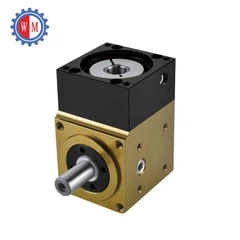


As a supplier of right angle reducers, I often encounter inquiries from customers about the maximum axial load of these essential mechanical components. Understanding the maximum axial load is crucial for ensuring the proper functioning and longevity of a right angle reducer in various applications. In this blog post, I will delve into the concept of maximum axial load, factors influencing it, and how it relates to the performance of right angle reducers.
What is Axial Load?
Before we discuss the maximum axial load, it's important to understand what axial load is. Axial load refers to the force applied parallel to the axis of rotation of a shaft or a mechanical component. In the context of a right angle reducer, axial load is the force that acts along the axis of the input or output shaft. This force can be caused by various factors, such as the weight of connected equipment, tension in belts or chains, or the thrust generated by a motor.
Significance of Maximum Axial Load
The maximum axial load is the highest amount of axial force that a right angle reducer can withstand without experiencing excessive wear, damage, or failure. Exceeding the maximum axial load can lead to a range of problems, including premature bearing wear, shaft deflection, and even complete breakdown of the reducer. Therefore, it's essential to select a right angle reducer with a maximum axial load rating that is suitable for the specific application.
Factors Influencing Maximum Axial Load
Several factors influence the maximum axial load of a right angle reducer. These factors include:
1. Bearing Design and Quality
The bearings used in a right angle reducer play a crucial role in determining its maximum axial load capacity. High-quality bearings with appropriate design and materials can withstand higher axial loads. For example, angular contact ball bearings are often used in right angle reducers because they can handle both radial and axial loads effectively.
2. Shaft Diameter and Material
The diameter and material of the input and output shafts also affect the maximum axial load. A larger shaft diameter generally provides greater strength and can withstand higher axial loads. Additionally, the material of the shaft, such as steel or alloy, can impact its load-bearing capacity.
3. Gear Design and Tooth Profile
The design and tooth profile of the gears in a right angle reducer can influence the distribution of axial loads. Well-designed gears with proper tooth profiles can help distribute the load evenly, reducing stress on the bearings and other components.
4. Lubrication
Proper lubrication is essential for reducing friction and wear in a right angle reducer. Adequate lubrication can also help dissipate heat generated by the axial load, ensuring the smooth operation of the reducer.
5. Mounting and Installation
The way a right angle reducer is mounted and installed can affect its maximum axial load capacity. Incorrect mounting can cause misalignment, which can increase the axial load on the bearings and other components. Therefore, it's important to follow the manufacturer's installation instructions carefully.
Calculating Maximum Axial Load
Calculating the maximum axial load of a right angle reducer can be a complex process that requires considering the factors mentioned above. In most cases, manufacturers provide maximum axial load ratings for their right angle reducers based on extensive testing and engineering analysis. These ratings can be found in the product specifications or technical data sheets.
When selecting a right angle reducer, it's important to calculate the actual axial load that the reducer will experience in the specific application. This can be done by considering the weight and forces acting on the connected equipment, as well as any additional loads caused by the operation of the system. Once the actual axial load is determined, it should be compared to the maximum axial load rating of the reducer to ensure that the reducer can handle the load safely.
Applications and Maximum Axial Load Requirements
The maximum axial load requirements for right angle reducers vary depending on the application. Here are some common applications and their typical axial load requirements:
1. Conveyor Systems
In conveyor systems, right angle reducers are used to transfer power from the motor to the conveyor belt. The axial load in conveyor systems is typically caused by the tension in the belt and the weight of the conveyed materials. Depending on the size and capacity of the conveyor, the axial load can range from a few hundred pounds to several thousand pounds.


2. Packaging Machinery
Packaging machinery often uses right angle reducers to drive various components, such as filling machines, labeling machines, and sealing machines. The axial load in packaging machinery is relatively low compared to other applications, typically ranging from a few pounds to a few hundred pounds.
3. Machine Tools
Machine tools, such as lathes, milling machines, and grinders, use right angle reducers to control the speed and direction of the cutting tools. The axial load in machine tools can be significant, especially in high-speed and high-precision applications. The axial load requirements in machine tools can range from several hundred pounds to several thousand pounds.
4. Robotics
Robotics applications require precise control of motion, and right angle reducers are often used to achieve this. The axial load in robotics applications depends on the size and weight of the robot arm, as well as the forces exerted during operation. The axial load requirements in robotics can range from a few pounds to several hundred pounds.
Our Right Angle Reducers and Axial Load Capabilities
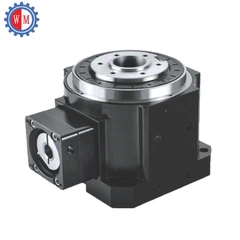
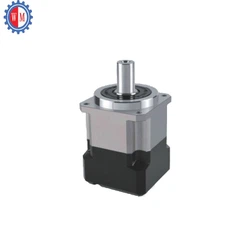
At our company, we offer a wide range of right angle reducers with different maximum axial load ratings to meet the diverse needs of our customers. Our Hollow Solid Shaft Right Angle Reducer and Gear Head Speed Reducer are designed with high-quality bearings, robust shafts, and precision gears to ensure excellent axial load capacity.
Our engineering team can work closely with you to understand your specific application requirements and recommend the right angle reducer with the appropriate maximum axial load rating. We also provide technical support and assistance to help you install and maintain your right angle reducer for optimal performance.
Conclusion
Understanding the maximum axial load of a right angle reducer is essential for selecting the right component for your application. By considering the factors influencing maximum axial load, calculating the actual load in your application, and choosing a reducer with an appropriate rating, you can ensure the reliable and efficient operation of your mechanical system.
If you have any questions about the maximum axial load of our right angle reducers or need assistance in selecting the right product for your application, please don't hesitate to contact us. Our team of experts is ready to help you find the best solution for your needs.
References
- Machinery's Handbook, 31st Edition
- Design of Machine Elements, 5th Edition
- Bearing Handbook, SKF


