

As a supplier of right angle reducers, I often encounter questions from customers about the lubrication methods of these essential mechanical components. Lubrication is a critical aspect of maintaining the performance, efficiency, and longevity of right angle reducers. In this blog post, I will delve into the different lubrication methods available for right angle reducers, their advantages, and considerations for choosing the most suitable one.
Importance of Lubrication in Right Angle Reducers
Right angle reducers are used in a wide range of applications, from industrial machinery to automotive systems. They are designed to transmit power and torque between shafts that are perpendicular to each other, often at a reduced speed. During operation, the gears and bearings within the reducer experience significant friction and wear. Lubrication serves several important functions in this context:
- Reducing Friction: Lubricants create a thin film between moving parts, reducing the direct contact and friction between them. This helps to minimize energy losses and heat generation, improving the overall efficiency of the reducer.
- Preventing Wear: By reducing friction, lubrication also helps to prevent excessive wear and tear on the gears and bearings. This extends the service life of the reducer and reduces the need for frequent maintenance and replacement.
- Corrosion Protection: Lubricants can also provide a protective barrier against corrosion, which can damage the internal components of the reducer over time.
- Noise Reduction: Proper lubrication can help to reduce the noise and vibration generated by the reducer during operation, creating a more comfortable and quiet working environment.
Types of Lubrication Methods
There are several different lubrication methods available for right angle reducers, each with its own advantages and disadvantages. The choice of lubrication method depends on a variety of factors, including the application, operating conditions, and design of the reducer. The most common lubrication methods include:
Oil Bath Lubrication
Oil bath lubrication is one of the most traditional and widely used lubrication methods for right angle reducers. In this method, the gears and bearings of the reducer are submerged in a bath of lubricating oil. As the gears rotate, they pick up the oil and distribute it throughout the reducer, providing continuous lubrication to all the moving parts.
Advantages:
- Simple and Reliable: Oil bath lubrication is a simple and reliable method that requires minimal maintenance. Once the oil is filled in the reducer, it can provide long-term lubrication without the need for frequent refilling.
- Effective Cooling: The oil bath also helps to dissipate the heat generated by the reducer during operation, keeping the internal components cool and preventing overheating.
- Good Lubrication Coverage: The oil is able to reach all the moving parts of the reducer, providing effective lubrication to the gears, bearings, and other components.
Disadvantages:
- Limited Speed and Load Capacity: Oil bath lubrication is not suitable for high-speed or high-load applications, as the oil can become agitated and aerated at high speeds, reducing its lubrication effectiveness.
- Oil Contamination: Over time, the oil in the bath can become contaminated with dirt, debris, and metal particles, which can reduce its lubrication properties and cause damage to the internal components of the reducer.
- Leakage Risk: There is a risk of oil leakage from the reducer, especially if the seals are not properly maintained or if the reducer is subjected to high vibrations or shocks.
Splash Lubrication
Splash lubrication is similar to oil bath lubrication, but instead of submerging the entire gears and bearings in the oil, the oil is splashed onto the moving parts by the rotating gears. This method is commonly used in small to medium-sized right angle reducers.
Advantages:
- Simple and Cost-Effective: Splash lubrication is a simple and cost-effective method that requires less oil than oil bath lubrication.
- Suitable for Medium-Speed Applications: It is suitable for medium-speed applications where the oil can be effectively splashed onto the moving parts.
Disadvantages:
- Limited Lubrication Coverage: Splash lubrication may not provide as effective lubrication coverage as oil bath lubrication, especially for larger or more complex reducers.
- Oil Distribution Issues: The oil may not be evenly distributed throughout the reducer, leading to uneven lubrication and potential wear on some components.
Forced Lubrication
Forced lubrication, also known as pressure lubrication, involves using a pump to deliver a continuous supply of lubricating oil to the moving parts of the reducer. This method is commonly used in high-speed, high-load, and large-sized right angle reducers.
Advantages:
- High-Speed and High-Load Capability: Forced lubrication is suitable for high-speed and high-load applications, as it can provide a consistent and reliable supply of oil to the moving parts, even under extreme conditions.
- Effective Cooling and Lubrication: The forced oil flow helps to dissipate the heat generated by the reducer and provides effective lubrication to all the moving parts.
- Contamination Control: The oil can be filtered and cleaned before being circulated back into the reducer, reducing the risk of oil contamination and extending the service life of the lubricant.
Disadvantages:
- Complex and Expensive: Forced lubrication systems are more complex and expensive than oil bath or splash lubrication systems, as they require a pump, filter, and other components.
- Maintenance Requirements: The pump and other components of the forced lubrication system require regular maintenance and inspection to ensure proper operation.
- Power Consumption: The pump consumes additional power, which can reduce the overall efficiency of the reducer.
Grease Lubrication
Grease lubrication involves applying a thick, semi-solid lubricant (grease) to the gears and bearings of the reducer. Grease is a mixture of oil and a thickening agent, which gives it a sticky consistency and allows it to adhere to the surfaces of the moving parts.
Advantages:


- Simple and Clean: Grease lubrication is a simple and clean method that does not require a complex lubrication system. It is also less likely to leak than oil lubrication, making it suitable for applications where cleanliness is important.
- Good Sealing Properties: Grease can act as a sealant, preventing dirt, dust, and moisture from entering the reducer and protecting the internal components from corrosion and wear.
- Long Service Life: Grease can provide long-term lubrication without the need for frequent reapplication, reducing maintenance requirements.
Disadvantages:
- Limited Heat Dissipation: Grease has poor heat dissipation properties compared to oil, which can cause the internal components of the reducer to overheat in high-speed or high-load applications.
- Difficult to Replace: Once the grease is applied, it can be difficult to replace or remove, especially if it has hardened or become contaminated.
- Not Suitable for High-Speed Applications: Grease lubrication is not suitable for high-speed applications, as the grease can become too viscous and cause excessive friction and wear.
Choosing the Right Lubrication Method
When choosing the right lubrication method for a right angle reducer, it is important to consider the following factors:
- Application Requirements: The application requirements, such as the speed, load, and operating conditions, will determine the type of lubrication method that is most suitable. For example, high-speed or high-load applications may require forced lubrication, while low-speed or light-load applications may be suitable for oil bath or splash lubrication.
- Reducer Design: The design of the reducer, including the size, shape, and configuration of the gears and bearings, will also affect the choice of lubrication method. Some reducers may be designed specifically for a particular lubrication method, while others may be more flexible and allow for multiple lubrication options.
- Operating Environment: The operating environment, such as the temperature, humidity, and presence of dirt, dust, or chemicals, will also need to be considered. For example, in a dusty or dirty environment, a lubrication method that provides good sealing properties, such as grease lubrication, may be more suitable.
- Maintenance Requirements: The maintenance requirements of the lubrication method should also be taken into account. Some lubrication methods, such as oil bath lubrication, require less maintenance than others, while forced lubrication systems may require more frequent inspection and maintenance.
Our Right Angle Reducers and Lubrication Solutions
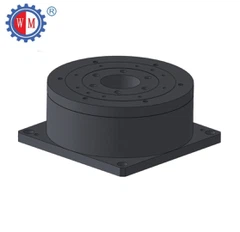
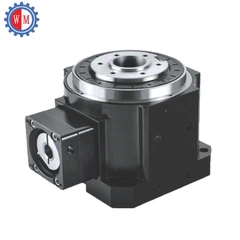
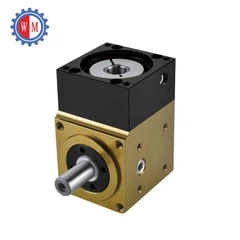
As a supplier of right angle reducers, we offer a wide range of products that are designed to meet the diverse needs of our customers. Our Hollow Solid Shaft Right Angle Reducer and Gear Head Speed Reducer are available with different lubrication options to ensure optimal performance and reliability in various applications.
We can provide expert advice on the selection of the most suitable lubrication method for your specific application, taking into account factors such as the operating conditions, load requirements, and maintenance preferences. Our team of engineers and technicians can also assist with the installation, maintenance, and troubleshooting of the lubrication system to ensure that your right angle reducer operates smoothly and efficiently.
If you are in the market for a high-quality right angle reducer or need more information about our lubrication solutions, please feel free to contact us. We are committed to providing our customers with the best products and services, and we look forward to discussing your requirements and helping you find the perfect solution for your application.
References
- Mechanical Design Handbook, by Robert C. Juvinall and Kurt M. Marshek
- Machinery's Handbook, by Industrial Press
- Lubrication Fundamentals, by Norman P. Cheremisinoff


