



Handling a Manual Goniometer Table properly is crucial to ensure its longevity and optimal performance. As a supplier of Manual Goniometer Tables, I've witnessed firsthand the importance of correct handling techniques. In this blog, I'll share some valuable insights on how to handle these precision instruments to avoid damage.
Understanding the Manual Goniometer Table
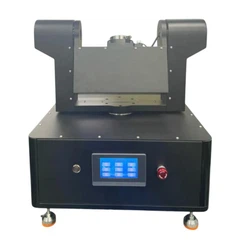
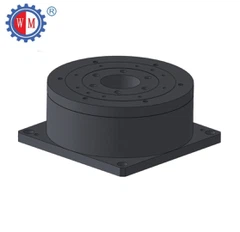
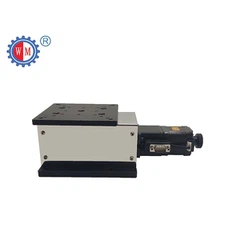
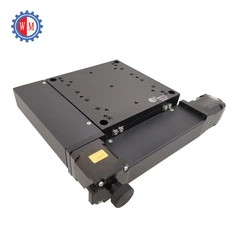
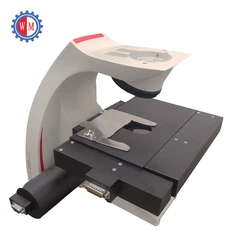
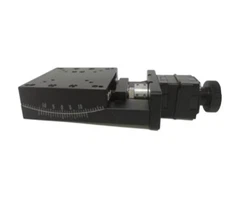
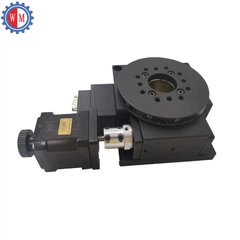
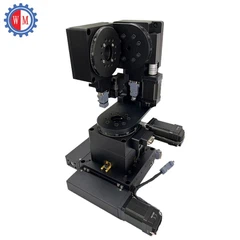
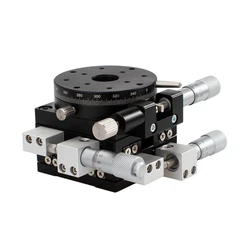
Before delving into handling procedures, it's essential to understand what a Manual Goniometer Table is. A Manual Goniometer Table is a precision device used for angular measurement and adjustment in various applications, such as optical alignment, material testing, and microscopy. It typically consists of a base, a rotating stage, and a goniometer head for measuring angles.
Pre - handling Preparations
Inspection
Before using the Manual Goniometer Table, conduct a thorough inspection. Check for any visible signs of damage, such as scratches, dents, or loose components. Inspect the goniometer scale for accuracy and ensure that the locking mechanisms are functioning correctly. If any issues are detected, contact our technical support team for guidance.
Clean Environment
Ensure that the working environment is clean and free from dust, debris, and moisture. Dust particles can accumulate on the moving parts of the goniometer table, causing increased friction and wear. Moisture can lead to corrosion, which can severely damage the table over time. Use a clean, dry workbench and, if possible, operate the table in a controlled environment such as a cleanroom.
Handling During Installation
Leveling
Proper leveling of the Manual Goniometer Table is essential for accurate measurements. Use a spirit level to ensure that the base of the table is perfectly horizontal. An uneven table can cause misalignment and inaccurate angular readings. If the table needs to be adjusted for leveling, use the leveling feet provided on the base.
Mounting
When mounting the Manual Goniometer Table, follow the manufacturer's instructions carefully. Use the appropriate mounting hardware and ensure that the table is securely attached to the work surface. Avoid over - tightening the mounting bolts, as this can cause stress on the table and potentially damage it.
Operational Handling
Gentle Movement
When adjusting the angles of the Manual Goniometer Table, always use gentle and smooth movements. Avoid sudden jerks or rapid adjustments, as these can cause the table to misalign or damage the internal components. Use the provided knobs or handles to make slow, incremental adjustments.


Avoid Overloading
Each Manual Goniometer Table has a specified load capacity. Do not exceed this capacity, as overloading can cause deformation of the table and damage to the goniometer mechanism. Before placing any objects on the table, ensure that their weight is within the rated capacity.
Locking Mechanisms
When the desired angle is set, use the locking mechanisms to secure the table in place. However, be careful not to overtighten the locking knobs. Over - tightening can cause the table to bind, making it difficult to make further adjustments and potentially damaging the locking mechanism itself.
Maintenance and Cleaning
Regular Cleaning
Regular cleaning is essential to keep the Manual Goniometer Table in good condition. Use a soft, lint - free cloth to wipe the surface of the table and remove any dust or debris. For more stubborn dirt, use a mild cleaning solution recommended by the manufacturer. Avoid using abrasive cleaners or solvents, as these can damage the finish of the table.
Lubrication
Some Manual Goniometer Tables require lubrication of the moving parts to ensure smooth operation. Follow the manufacturer's recommendations regarding the type of lubricant to use and the frequency of lubrication. Over - lubrication can attract dust and debris, while under - lubrication can cause increased friction and wear.
Storage
Proper Storage Conditions
When the Manual Goniometer Table is not in use, store it in a dry, clean place. Protect the table from extreme temperatures and humidity. If possible, cover the table with a protective cover to prevent dust accumulation.
Disassembly (if applicable)
Some Manual Goniometer Tables can be disassembled for storage. If this is the case, follow the manufacturer's instructions carefully. Keep all the disassembled parts in a labeled container to ensure that they can be easily reassembled when needed.
Training and Education
Operator Training
Ensure that all operators of the Manual Goniometer Table are properly trained. Provide training on the correct handling, operation, maintenance, and storage procedures. This will not only help prevent damage to the table but also ensure accurate and reliable measurements.
Technical Support
As a supplier, we offer technical support to our customers. If you encounter any problems or have any questions regarding the handling of the Manual Goniometer Table, do not hesitate to contact our support team. We can provide guidance and assistance to help you resolve any issues.
Importance of Correct Handling
Proper handling of the Manual Goniometer Table is not only important for avoiding damage but also for ensuring the accuracy and reliability of your measurements. A damaged table can lead to inaccurate angular readings, which can have a significant impact on the quality of your work. By following the guidelines outlined in this blog, you can extend the lifespan of your Manual Goniometer Table and get the most out of your investment.
Related Products
If you're interested in exploring our range of Manual Goniometer Tables, we offer products such as the Pitch Yaw Roll Manual Tilt Stage and the Manual Goniometer Stage. These products are designed with precision and durability in mind, and with proper handling, they can serve you well for many years.
Contact for Purchase
If you're in the market for a Manual Goniometer Table or have any questions about our products, we encourage you to reach out to us. Our team of experts is ready to assist you with your purchase decision and provide you with all the necessary information. Whether you're a small research laboratory or a large industrial facility, we have the right Manual Goniometer Table for your needs.
References
- Manufacturer's user manuals for Manual Goniometer Tables
- Industry standards for precision instrument handling and maintenance


