

As a supplier of Motorized Rotation Stages, I often encounter inquiries from customers about various aspects of these precision instruments. One crucial topic that frequently comes up is the heat dissipation of a motorized rotation stage. In this blog post, I'll delve into what heat dissipation in a motorized rotation stage is, why it matters, and how we address this issue in our products.
Understanding Heat Generation in Motorized Rotation Stages
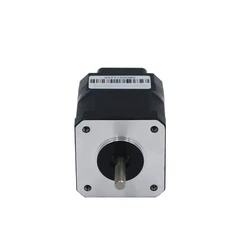
To comprehend heat dissipation, we first need to understand how heat is generated in a motorized rotation stage. A motorized rotation stage typically consists of a motor, a gearbox, a bearing system, and a control unit. The primary source of heat is the motor. When an electric current passes through the motor windings, electrical energy is converted into mechanical energy to drive the rotation of the stage. However, not all of the electrical energy is efficiently converted; a portion is lost as heat due to the resistance in the windings. This phenomenon is known as Joule heating.
The gearbox also contributes to heat generation. As the gears mesh and rotate, there is friction between the gear teeth. This friction converts mechanical energy into heat. Additionally, the bearing system experiences friction as the stage rotates, which also adds to the overall heat production. The control unit, although it generally generates less heat compared to the motor and gearbox, can still produce some heat due to the electrical components and the processing of control signals.
Why Heat Dissipation is Important
Excessive heat in a motorized rotation stage can have several detrimental effects. Firstly, it can affect the accuracy and precision of the stage. Most materials expand when heated. In a motorized rotation stage, the expansion of components such as the motor shaft, gears, and bearings can lead to dimensional changes. These changes can cause misalignments, which in turn can result in errors in the rotation angle and positioning accuracy of the stage. For applications that require high precision, such as semiconductor manufacturing, microscopy, and optical testing, even a small amount of thermal expansion can have a significant impact on the quality of the results.
Secondly, heat can reduce the lifespan of the components. High temperatures can accelerate the wear and tear of the motor windings, gears, and bearings. The insulation on the motor windings can degrade more quickly at elevated temperatures, increasing the risk of short - circuits. The lubricants in the gearbox and bearings can also break down, leading to increased friction and premature failure of these components.
Moreover, excessive heat can cause the control unit to malfunction. The electronic components in the control unit are designed to operate within a certain temperature range. If the temperature exceeds this range, the performance of the components can be affected, leading to erratic control signals and unreliable operation of the stage.
Heat Dissipation Mechanisms in Motorized Rotation Stages
To address the issue of heat generation, we implement several heat dissipation mechanisms in our motorized rotation stages. One of the most common methods is the use of heat sinks. A heat sink is a passive cooling device that is typically made of a material with high thermal conductivity, such as aluminum or copper. It is attached to the motor or other heat - generating components. The heat sink has a large surface area, which allows it to absorb the heat from the component and transfer it to the surrounding air more efficiently. The fins on the heat sink increase the surface area, further enhancing the heat transfer rate.


Another approach is forced air cooling. In some of our high - performance motorized rotation stages, we incorporate fans. The fans blow air over the heat - generating components, such as the motor and the control unit. This forced air flow increases the convective heat transfer coefficient, which means that heat is removed from the components at a faster rate. The fans can be controlled based on the temperature of the components. For example, when the temperature rises above a certain threshold, the fans can be turned on automatically.
We also pay attention to the design of the enclosure of the motorized rotation stage. The enclosure is designed to allow for proper ventilation. It has air inlets and outlets that promote the natural flow of air inside the enclosure. This natural convection helps to carry away the heat generated by the components. Additionally, the materials used for the enclosure are selected for their thermal properties. Some enclosures are made of materials that can dissipate heat effectively while also providing protection for the internal components.
Our Products and Heat Dissipation
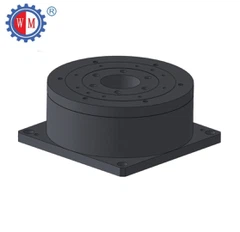
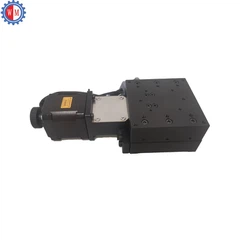
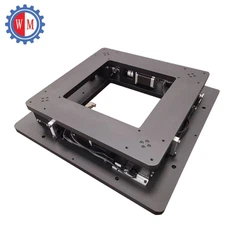
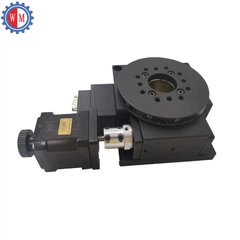
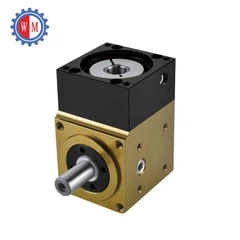
In our product line, we have different types of motorized rotation stages, each designed to meet specific application requirements. For example, our 100mm 4 Inch Motorized Rotation Stage is a popular choice for applications that require a moderate level of precision and load - carrying capacity. This stage is equipped with a heat sink on the motor to ensure efficient heat dissipation. The heat sink is designed to match the power output of the motor, so it can effectively remove the heat generated during normal operation.
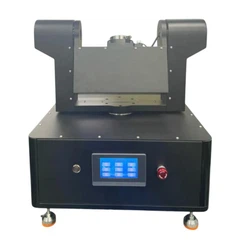
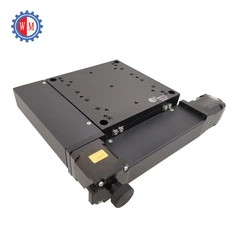
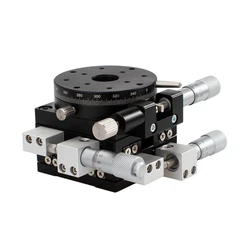
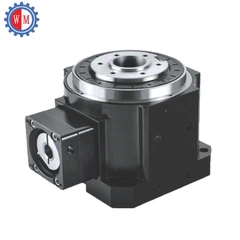
Our Motorized Rotary Table is suitable for a wide range of applications, from small - scale laboratory experiments to industrial automation. This table uses a combination of heat sinks and forced air cooling. The fans are strategically placed to blow air over the motor and the control unit, ensuring that the temperature of these components is maintained within a safe operating range.
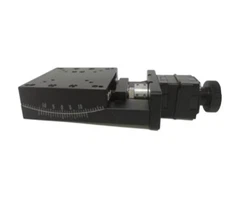
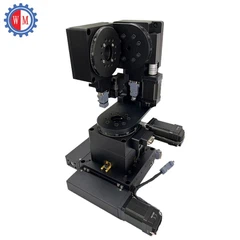
For heavy - duty applications, we offer the Heavy Duty Rotation Stage. This stage is designed to handle large loads and high - speed rotations. As a result, it generates more heat compared to other models. To address this, we use a more advanced heat dissipation system. In addition to heat sinks and fans, we also incorporate a liquid - cooling system in some of our heavy - duty stages. The liquid - cooling system circulates a coolant around the motor and other critical components, which can remove heat more effectively than air - cooling methods alone.
Contact Us for More Information
If you are in the market for a motorized rotation stage and have concerns about heat dissipation or any other aspects of our products, we encourage you to reach out to us. Our team of experts is ready to provide you with detailed information, technical support, and guidance on selecting the right motorized rotation stage for your specific application. Whether you are involved in research, manufacturing, or any other field that requires precise rotation control, we have the products and solutions to meet your needs.
References
- Mechatronics: An Integrated Approach by David Crolla
- Handbook of Modern Electric, Hybrid Electric, and Fuel Cell Vehicles by Huseyin Ceylan


