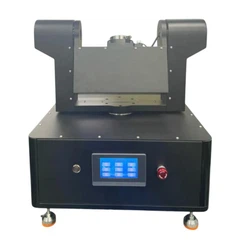
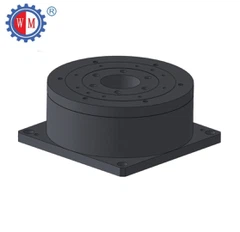
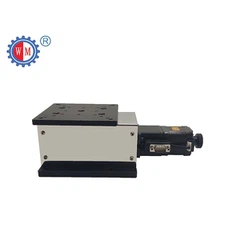
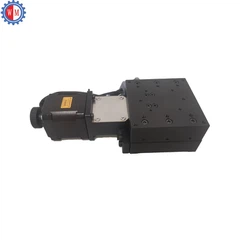
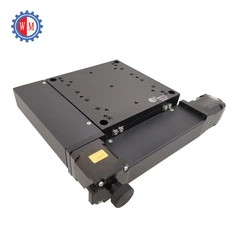
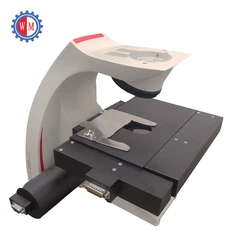
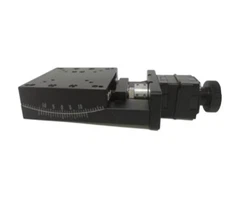
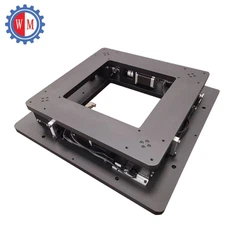
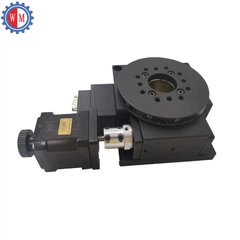
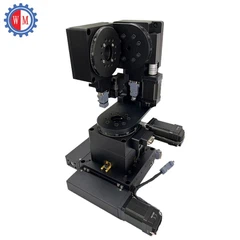
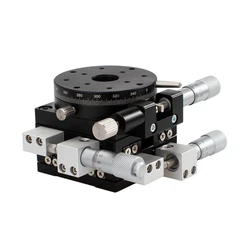


As a supplier of Motorized 2 Axis Stages, I often get asked about how to ensure the reliability of these stages. In this blog post, I'll share some tips and insights based on my experience in the industry.
Understanding the Basics
First things first, let's understand what motorized 2 axis stages are. These are devices that allow for precise movement in two directions, typically the X and Y axes. They're used in a wide range of applications, from microscopy and semiconductor manufacturing to laser cutting and 3D printing. The reliability of these stages is crucial, as any malfunction can lead to inaccurate results, production delays, and even costly damage to equipment.
Quality Components Matter
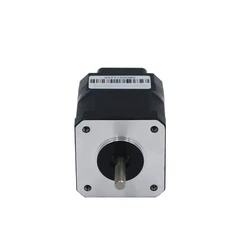
One of the most important factors in ensuring the reliability of motorized 2 axis stages is the quality of the components used in their construction. At our company, we only use high - quality motors, bearings, and linear guides. For example, the motors we use are designed to provide smooth and consistent motion. They have high torque capabilities, which means they can handle heavy loads without stalling.
The bearings play a vital role in reducing friction and ensuring smooth movement. We use precision bearings that are made from high - grade materials. These bearings are designed to last a long time, even under continuous use. Linear guides, on the other hand, are responsible for guiding the movement of the stage. High - quality linear guides ensure that the stage moves in a straight line with minimal deviation.
Regular Maintenance
Just like any other piece of equipment, motorized 2 axis stages require regular maintenance. This includes cleaning, lubrication, and inspection. Cleaning the stage regularly helps to remove dust, debris, and other contaminants that can cause wear and tear on the components. We recommend using a clean, dry cloth to wipe down the stage after each use.


Lubrication is also essential. The moving parts of the stage, such as the linear guides and bearings, need to be lubricated regularly to reduce friction and prevent overheating. However, it's important to use the right type of lubricant. Using the wrong lubricant can actually damage the components.
Inspection is another crucial part of maintenance. Regularly check the stage for any signs of wear, such as loose screws, worn - out belts, or damaged bearings. If you notice any issues, it's important to address them immediately. Ignoring small problems can lead to bigger, more expensive issues down the line.
Calibration
Proper calibration is key to ensuring the accuracy and reliability of motorized 2 axis stages. Over time, the stage may drift out of alignment, which can affect its performance. Calibration involves adjusting the stage to ensure that it moves accurately along the X and Y axes.
We recommend calibrating the stage at least once a month, or more frequently if it's used in a high - precision application. Calibration can be done using specialized tools and software. Make sure to follow the manufacturer's instructions carefully when calibrating the stage.
Environmental Factors
The environment in which the motorized 2 axis stage operates can also have a significant impact on its reliability. Temperature, humidity, and vibration can all affect the performance of the stage.
For example, extreme temperatures can cause the materials in the stage to expand or contract, which can lead to misalignment. High humidity can cause corrosion of the metal components. Vibration can also cause the stage to move out of position, leading to inaccurate results.
To mitigate these environmental factors, it's important to operate the stage in a controlled environment. If possible, keep the stage in a temperature - and humidity - controlled room. Use vibration - isolation pads to reduce the impact of external vibrations.
Software and Control Systems
The software and control systems used to operate the motorized 2 axis stage are also important for its reliability. The software should be easy to use and should provide accurate control over the movement of the stage.
Make sure to keep the software up - to - date. Software updates often include bug fixes and performance improvements that can enhance the reliability of the stage. Additionally, the control system should be able to handle different types of commands and should be able to communicate effectively with other equipment in the system.
Training and Support
Proper training is essential for anyone who will be using the motorized 2 axis stage. Make sure that the operators are trained on how to use the stage correctly, how to perform maintenance, and how to troubleshoot common issues.
As a supplier, we offer comprehensive training and support to our customers. We have a team of experts who can provide on - site training or remote support. We also offer technical documentation and user manuals to help the operators get the most out of the stage.
Compatibility with Other Equipment
If the motorized 2 axis stage is going to be used in a larger system, it's important to ensure that it is compatible with other equipment in the system. For example, if it's going to be used with a microscope or a laser cutter, make sure that the stage can communicate effectively with these devices.
Check the interfaces and communication protocols of the stage and the other equipment. Make sure that they are compatible and that they can work together seamlessly.
Testing and Validation
Before putting the motorized 2 axis stage into full - scale production, it's important to conduct thorough testing and validation. This includes testing the stage under different conditions, such as different loads, speeds, and temperatures.
Validate the accuracy and repeatability of the stage. Make sure that it can consistently produce the same results under the same conditions. Testing and validation can help to identify any potential issues before they become a problem in the production environment.
Conclusion
Ensuring the reliability of motorized 2 axis stages is a multi - faceted process. It involves using high - quality components, regular maintenance, proper calibration, controlling the environment, using reliable software and control systems, providing training and support, ensuring compatibility with other equipment, and conducting thorough testing and validation.
If you're in the market for a reliable Motorized 2 Axis Stages, Precision Xy Positioning Table, or Motorized Xy Linear Stage, we'd love to hear from you. We can provide you with high - quality products and the support you need to ensure their reliable operation. Contact us today to discuss your requirements and start the procurement process.
References
- Industry standards for motorized stages
- Manufacturer's manuals for motorized 2 axis stages
- Technical papers on precision motion control


