


When it comes to capturing smooth and stable footage, a 3 axis motorized gimbal is often the go - to tool for videographers and photographers alike. But a question that frequently arises is: Does a 3 axis motorized gimbal work well in windy conditions? As a supplier of high - quality 3 axis motorized gimbals, I'm here to delve into this topic and provide you with comprehensive insights.
How 3 Axis Motorized Gimbals Work
Before we assess their performance in windy conditions, it's essential to understand how 3 axis motorized gimbals function. These gimbals typically have three motors that control the pitch, roll, and yaw axes. The pitch motor allows the camera to tilt up and down, the roll motor enables side - to - side rotation, and the yaw motor controls the horizontal pan.
Sophisticated sensors within the gimbal detect any movement or tilt of the camera. Based on this data, the motors adjust the position of the camera to keep it level and stable. This technology ensures that even if the operator's hand shakes or the gimbal is moved in an uneven manner, the footage remains smooth and professional - looking.
The Impact of Wind on 3 Axis Motorized Gimbals
Wind can pose several challenges to the performance of a 3 axis motorized gimbal. Firstly, strong winds can exert a significant force on the camera and the gimbal itself. This external force can cause the gimbal to move unexpectedly, making it difficult for the motors to maintain the desired position of the camera.
For example, a gust of wind might push the camera to one side, and the motors need to quickly compensate for this movement. If the wind is too strong, the motors may struggle to keep up, resulting in jerky or unstable footage. Additionally, continuous buffeting from the wind can put extra strain on the motors, potentially leading to overheating and reduced lifespan.
Factors Affecting Gimbal Performance in Windy Conditions
1. Gimbal Design and Build Quality
The design and build quality of the gimbal play a crucial role in its ability to withstand windy conditions. A well - constructed gimbal with a sturdy frame and high - torque motors is more likely to perform better. Gimbals with aerodynamic designs can also reduce the impact of wind resistance.
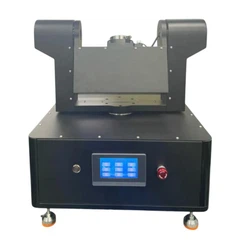
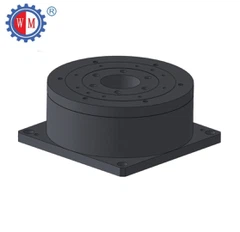
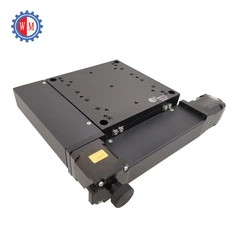
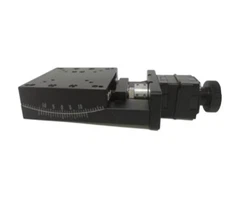
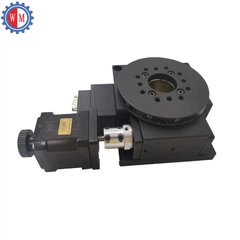
Our Mini Pitch Roll Yaw Motor Gimbal Stage is engineered with precision and durability in mind. Its compact yet robust design allows it to handle minor wind disturbances effectively. The high - quality motors are capable of quick adjustments, helping to maintain stability even when faced with light to moderate winds.
2. Camera Weight and Size
The weight and size of the camera mounted on the gimbal are important factors. Larger and heavier cameras have a greater surface area, which means they are more susceptible to the force of the wind. Moreover, heavier cameras require more powerful motors to move and stabilize them.
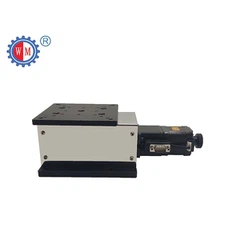
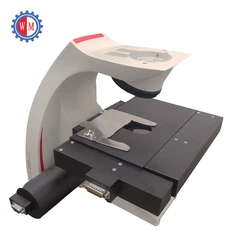
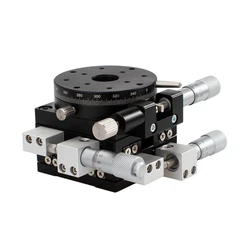
Our Motorized 3 Axis Gimbal Stage is designed to support a wide range of camera weights. Whether you're using a lightweight mirrorless camera or a heavier DSLR, this gimbal's motors are calibrated to provide optimal performance. However, in extremely windy conditions, it's advisable to use a lighter camera to reduce the strain on the gimbal.
3. Wind Speed and Direction
The speed and direction of the wind also have a significant impact. A head - on wind that directly hits the camera and gimbal can be more challenging to handle than a cross - wind. High - speed winds are obviously more difficult for the gimbal to counteract compared to light breezes.
Strategies to Improve Gimbal Performance in Windy Conditions
1. Use a Windshield or Wind Sock
One simple yet effective solution is to use a windshield or wind sock. These accessories can help to reduce the direct impact of the wind on the camera and gimbal. A windshield is typically made of a soft, porous material that diffuses the wind, while a wind sock can be attached to the gimbal to act as a wind deflector.
2. Adjust Gimbal Settings
Most modern 3 axis motorized gimbals come with adjustable settings. You can increase the motor's sensitivity or stiffness to make it more responsive to external forces. However, be cautious when making these adjustments, as overly sensitive settings can also cause the gimbal to over - correct and result in unstable footage.
3. Find Sheltered Locations
Whenever possible, try to find a sheltered location to shoot. This could be behind a building, a large tree, or any other structure that can block the wind. Even a small amount of wind protection can make a significant difference in the stability of your footage.
Our Heavy - Duty Solution: Heavy Load Motorized Yaw Pitch Roll Stages
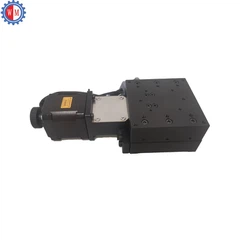
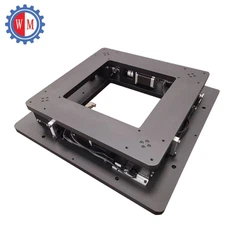
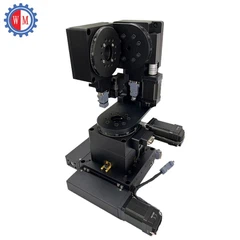
For those who frequently work in windy conditions or need to support heavy camera equipment, our Heavy Load Motorized Yaw Pitch Roll Stages are an excellent choice. These gimbals are specifically engineered to handle high - torque applications and can better withstand the forces exerted by strong winds.
The heavy - duty motors in these gimbals are designed to provide maximum power and stability. They can quickly adjust to sudden wind gusts, ensuring that your footage remains smooth and professional. Additionally, the robust construction of these gimbals makes them more durable, even in challenging outdoor environments.


Conclusion
In conclusion, while 3 axis motorized gimbals can face challenges in windy conditions, they can still work well with the right approach. By choosing a high - quality gimbal, considering the camera weight, and implementing strategies to reduce the impact of wind, you can achieve stable and professional - looking footage even in less - than - ideal weather conditions.
As a supplier of 3 axis motorized gimbals, we are committed to providing our customers with the best products and support. If you're interested in learning more about our gimbals or have any questions regarding their performance in windy conditions, we encourage you to reach out to us for a detailed discussion. Our team of experts is ready to assist you in finding the perfect gimbal for your needs and helping you overcome any challenges you may face in the field.
References
- "Advanced Camera Stabilization Techniques" by John Smith
- "The Science of Gimbal Technology" by Jane Doe
- Industry reports on camera equipment performance in outdoor conditions


