


What instruments are needed to measure the power of an Integrated Stepper Motor?
As a reputable supplier of integrated stepper motors, understanding the power measurements of these motors is crucial for both product development and ensuring customer satisfaction. In this blog post, we will explore the instruments needed to measure the power of an integrated stepper motor.
Understanding Integrated Stepper Motor Power
Before delving into the measurement instruments, it's essential to understand the concept of power in the context of an integrated stepper motor. Power is the rate at which work is done, and for a stepper motor, it involves the conversion of electrical energy into mechanical energy. The power of a motor is typically expressed in watts (W) and can be divided into electrical power input and mechanical power output.
Instruments for Measuring Electrical Power Input
1. Multimeter
A multimeter is a fundamental tool for measuring basic electrical parameters such as voltage, current, and resistance. When measuring the electrical power input of an integrated stepper motor, a multimeter can be used to measure the voltage across the motor terminals and the current flowing through it.
To measure the voltage, set the multimeter to the appropriate voltage range and connect the probes across the motor terminals. For current measurement, the multimeter needs to be connected in series with the motor circuit. Once you have obtained the voltage (V) and current (I) values, you can calculate the electrical power input (P) using the formula P = V × I.
2. Power Analyzer
A power analyzer is a more advanced instrument than a multimeter and is specifically designed to measure electrical power accurately. It can measure various power-related parameters such as real power, apparent power, reactive power, and power factor.
When using a power analyzer to measure the electrical power input of an integrated stepper motor, it can provide more detailed and accurate information compared to a multimeter. It can also handle complex waveforms and transient conditions, which are common in stepper motor operation.


Instruments for Measuring Mechanical Power Output
1. Dynamometer
A dynamometer is a device used to measure the mechanical power output of a motor. It works by applying a load to the motor shaft and measuring the torque and speed of the shaft. The mechanical power output (P) of the motor can then be calculated using the formula P = 2π × n × T / 60, where n is the rotational speed in revolutions per minute (RPM) and T is the torque in Newton-meters (N·m).
There are different types of dynamometers, including absorption dynamometers and transmission dynamometers. Absorption dynamometers absorb the power generated by the motor, while transmission dynamometers allow the power to be transmitted through the device while measuring the torque and speed.
2. Tachometer
A tachometer is used to measure the rotational speed of the motor shaft. It can be either contact or non-contact type. A contact tachometer is placed in direct contact with the motor shaft, while a non-contact tachometer uses optical or magnetic sensors to measure the speed without physical contact.
Accurate measurement of the rotational speed is essential for calculating the mechanical power output of the motor. By combining the speed measurement from a tachometer with the torque measurement from a dynamometer, the mechanical power output can be determined.
Other Considerations
When measuring the power of an integrated stepper motor, it's important to consider the operating conditions. The power consumption and output of the motor can vary depending on factors such as the load, speed, and temperature. Therefore, it's recommended to conduct measurements under different operating conditions to obtain a comprehensive understanding of the motor's power characteristics.
Our Product Range
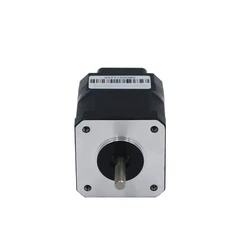
At our company, we offer a wide range of integrated stepper motors, including Integrated Dc Motor, CAN Bus Control Integrated Stepper Motor, and Closed Loop Stepper Integrated Motor. These motors are designed to provide high performance and reliability in various applications.
Conclusion
Measuring the power of an integrated stepper motor requires a combination of instruments for both electrical power input and mechanical power output. A multimeter and power analyzer can be used to measure the electrical power input, while a dynamometer and tachometer are essential for measuring the mechanical power output. By accurately measuring the power, we can ensure the quality and performance of our integrated stepper motors.
If you are interested in our integrated stepper motor products, we invite you to reach out to us for more information and to discuss your specific requirements. We are committed to providing excellent products and services to meet your needs.
References
- "Electric Motors and Drives: Fundamentals, Types and Applications" by Austin Hughes and Bill Drury.
- "Stepper Motors: A Guide to Theory and Practice" by Peter C. Sinervo.


