


What are the requirements for using planetary actuators in robotic applications?
In the dynamic world of robotics, planetary actuators have emerged as indispensable components, offering high torque, compact size, and excellent efficiency. As a leading planetary actuator supplier, I have witnessed firsthand the growing demand for these devices in various robotic applications. In this blog post, I will delve into the key requirements for using planetary actuators in robotics, providing insights to help you make informed decisions for your projects.
1. Torque and Power Requirements
One of the primary considerations when selecting a planetary actuator for a robotic application is the torque and power requirements. Robots often need to perform tasks that involve lifting, moving, or manipulating objects, which require a certain amount of torque. The torque requirement depends on factors such as the weight of the load, the speed of movement, and the distance over which the load needs to be moved.
For example, in industrial robots used for heavy - duty material handling, high - torque planetary actuators are essential. These actuators must be able to generate sufficient force to lift and move large and heavy objects safely and efficiently. On the other hand, in small - scale robotic devices like educational robots or some types of service robots, lower torque requirements may be sufficient.


Power is also closely related to torque and speed. The power of a planetary actuator is calculated as the product of torque and angular velocity. In robotic applications, the power requirement will determine the size and type of the actuator motor. A high - power actuator is needed for applications that require fast and forceful movements, while a lower - power actuator can be used for slower and less strenuous tasks.
2. Size and Weight Constraints
Robotic systems often have strict size and weight constraints. In many cases, robots need to be compact and lightweight to operate in confined spaces or to be easily portable. Planetary actuators are known for their compact design, which makes them a popular choice for robotics.
The size of the planetary actuator should be carefully considered to ensure that it can fit within the robot's mechanical structure. A large actuator may not be suitable for a small - sized robot, as it can take up too much space and add unnecessary weight. Additionally, the weight of the actuator can affect the overall balance and mobility of the robot. A heavy actuator may require more power to move, reducing the robot's energy efficiency and potentially limiting its performance.
As a supplier, we offer a wide range of planetary actuators with different sizes and weights to meet the diverse needs of robotic applications. Whether you need a tiny actuator for a micro - robot or a larger one for an industrial robot, we can provide a suitable solution.
3. Precision and Accuracy
Precision and accuracy are crucial in robotic applications, especially in tasks such as assembly, pick - and - place operations, and robotic surgery. Planetary actuators need to be able to provide precise control over the movement of the robot's joints or components.
The precision of a planetary actuator is determined by factors such as the gear ratio, backlash, and the quality of the manufacturing process. A high - precision actuator will have a low backlash, which means that there is minimal play between the gears. This allows for more accurate positioning and smoother movement.
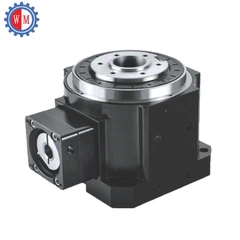
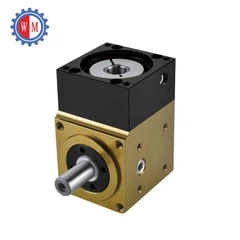
In applications where high precision is required, such as in semiconductor manufacturing robots, we recommend using our Spur Gear Right Angle Reducer. This product is designed to provide excellent precision and accuracy, ensuring that the robot can perform its tasks with the highest level of quality.
4. Durability and Reliability
Robots are often expected to operate continuously for long periods of time without breakdowns. Therefore, the durability and reliability of the planetary actuators are of utmost importance. The actuators need to be able to withstand harsh operating conditions, including high temperatures, humidity, dust, and vibrations.
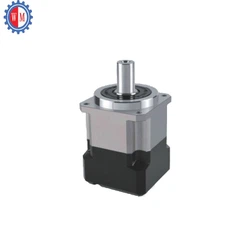
Our IP65 Planetary Gearbox is designed to meet the high - durability requirements of robotic applications. The IP65 rating indicates that the gearbox is dust - tight and protected against water jets, making it suitable for use in challenging environments. This type of actuator can ensure the long - term reliability of the robot, reducing maintenance costs and downtime.
In addition, the materials used in the construction of the planetary actuator play a significant role in its durability. High - quality metals and alloys are often used to ensure that the gears and other components can withstand the forces and stresses during operation. Regular maintenance and proper lubrication also contribute to the long - term durability of the actuator.
5. Compatibility with Control Systems
Planetary actuators need to be compatible with the robot's control system. The control system is responsible for sending commands to the actuators to achieve the desired movements. Compatibility includes both electrical and communication aspects.
Electrical compatibility means that the actuator motor should be able to operate within the voltage and current range provided by the control system. Incompatible electrical specifications can lead to improper functioning of the actuator or even damage to the motor.
Communication compatibility is also essential. The control system needs to be able to communicate with the actuator effectively to send and receive data. This may involve using standard communication protocols such as CANopen, Modbus, or Ethernet. Our planetary actuators are designed to be compatible with a wide range of control systems, ensuring seamless integration into your robotic applications.
6. Speed and Acceleration Requirements
The speed and acceleration requirements of a robotic application will determine the performance of the planetary actuator. Different robotic tasks require different speeds and acceleration profiles.
For example, in high - speed pick - and - place robots, the actuators need to be able to accelerate quickly and reach high speeds to perform the tasks efficiently. In contrast, in some types of robotic welding applications, a slower and more controlled speed may be required to ensure high - quality welds.
The speed and acceleration capabilities of a planetary actuator are related to its motor characteristics and gear ratio. A high - speed actuator with a suitable gear ratio can provide fast and smooth movements. Our High Torque Spur Gear Speed Reducer is designed to offer a good balance between torque and speed, making it suitable for a variety of robotic applications with different speed and acceleration requirements.
7. Cost - effectiveness
Cost is always an important factor in any engineering project. When selecting a planetary actuator for a robotic application, it is necessary to consider the cost - effectiveness. This means finding an actuator that can meet all the required performance criteria at a reasonable cost.
As a supplier, we understand the importance of cost - effectiveness. We offer a range of planetary actuators with different price points to suit different budgets. Our products are designed to provide high performance while keeping the cost down through efficient manufacturing processes and economies of scale.
In conclusion, using planetary actuators in robotic applications requires careful consideration of multiple factors, including torque and power requirements, size and weight constraints, precision and accuracy, durability and reliability, compatibility with control systems, speed and acceleration requirements, and cost - effectiveness. As a planetary actuator supplier, we are committed to providing high - quality products that meet the diverse needs of the robotics industry.
If you are looking for a reliable planetary actuator for your robotic project, we invite you to contact us for more information and to discuss your specific requirements. Our team of experts is ready to assist you in selecting the most suitable actuator for your application.
References
- "Robotics: Modelling, Planning and Control" by Bruno Siciliano, Lorenzo Sciavicco, Luigi Villani, and Giuseppe Oriolo.
- "Industrial Robotics: Technology, Programming, and Applications" by Peter R. Corke.


