
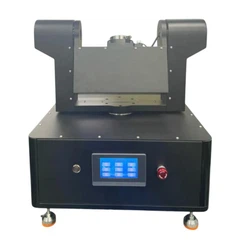


Hey there! As a supplier of Visual Alignment Stages, I've been in the thick of the tech scene, dealing with all sorts of alignment solutions. One question that often pops up is about the differences between feature - based and intensity - based Visual Alignment Stage. Let's dive right in and break it down.
Feature - Based Visual Alignment Stage
Feature - based alignment is all about identifying and matching specific features in an image. These features can be corners, edges, or any distinct patterns in the visual field. It's like finding the unique landmarks on a map to figure out where you are and where you need to go.
In a feature - based Visual Alignment Stage, algorithms are designed to detect these features accurately. For example, if you're working with a printed circuit board (PCB), the alignment system will look for holes, pads, or other distinctive markings. Once these features are identified, the stage can calculate the necessary movements to align the components precisely.
One of the big advantages of feature - based alignment is its robustness. It can work well even in the presence of some noise or minor variations in the image. Let's say there's a little bit of dust on the PCB. The feature - based system can still find the relevant features and align the parts correctly. This makes it a great choice for industries where precision is crucial, like electronics manufacturing.
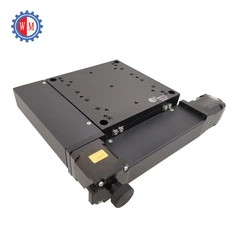
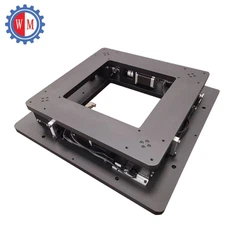
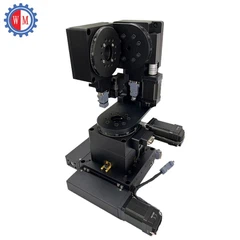
Another plus is its flexibility. Feature - based alignment can adapt to different types of objects and patterns. Whether you're aligning small microchips or larger mechanical parts, as long as there are distinguishable features, the system can handle it. You can check out our XYY Alignment Stage which is well - suited for feature - based alignment tasks. It offers high - precision movement and can be easily integrated into your existing production line.
However, feature - based alignment also has its limitations. The process of feature detection can be computationally expensive. It requires powerful processors to analyze the images quickly and accurately. This means that the hardware for a feature - based system can be more costly. Also, if the object doesn't have clear features, or if the features are too similar to each other, the alignment can become challenging.
Intensity - Based Visual Alignment Stage
On the other hand, intensity - based alignment focuses on the overall intensity distribution in an image. Instead of looking for specific features, it compares the brightness or darkness patterns across the image. It's like comparing the overall light and dark areas of two pictures to see if they match.
In an intensity - based Visual Alignment Stage, the system tries to maximize the correlation between the reference image and the current image. For example, if you're aligning two layers of a display panel, the system will adjust the position until the intensity patterns of the two layers match as closely as possible.
One of the main advantages of intensity - based alignment is its simplicity. The algorithms are generally less complex compared to feature - based ones. This means that it can be implemented with less powerful hardware, which can save costs. It's also faster in some cases because it doesn't have to spend time detecting and analyzing individual features.
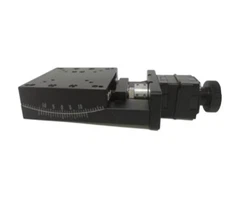
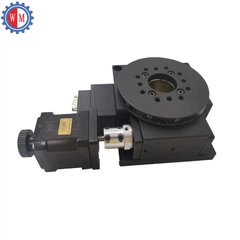
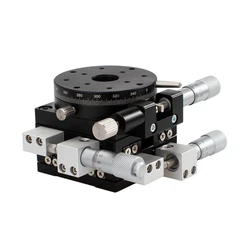
Our Motorized UVW Alignment Stage can be used effectively for intensity - based alignment. It provides smooth and precise movement, which is essential for aligning objects based on intensity patterns.
But intensity - based alignment also has its drawbacks. It's more sensitive to changes in lighting conditions. If the lighting in the environment changes, the intensity patterns in the image will change too, which can affect the alignment accuracy. Also, it may not work well for objects with complex or irregular intensity distributions. For instance, if an object has a lot of random noise in its intensity pattern, it can be difficult for the system to find a good alignment.
Comparing the Two
When it comes to speed, intensity - based alignment usually has an edge. Since it doesn't need to detect and analyze individual features, it can complete the alignment process more quickly. This can be a significant advantage in high - speed production lines where every second counts.


In terms of accuracy, feature - based alignment is often more precise, especially for objects with well - defined features. It can handle complex geometries and ensure that the alignment is as accurate as possible. However, this accuracy comes at the cost of computational power and potentially higher hardware costs.
Flexibility is another aspect to consider. Feature - based alignment is more flexible in terms of the types of objects it can handle. It can work with a wide range of shapes and patterns as long as there are detectable features. Intensity - based alignment, on the other hand, is more limited in this regard and works best for objects with relatively simple and consistent intensity distributions.
Which One to Choose?
The choice between feature - based and intensity - based Visual Alignment Stage depends on your specific application. If you're working in an industry where precision is the top priority, like semiconductor manufacturing or high - end electronics, feature - based alignment might be the way to go. It can ensure that your components are aligned with extreme accuracy, even in the presence of some imperfections.
On the other hand, if you're looking for a cost - effective and fast solution for simpler alignment tasks, intensity - based alignment could be a better fit. For example, in some consumer product manufacturing where the alignment requirements are not as stringent, an intensity - based system can get the job done quickly and affordably.
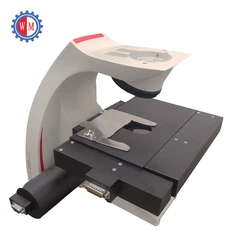
We offer a range of Visual Alignment Stages that can be configured for both feature - based and intensity - based alignment. Our team of experts can help you determine the best solution for your needs. Whether you need a high - precision feature - based system or a fast and cost - effective intensity - based one, we've got you covered.
Conclusion
In conclusion, both feature - based and intensity - based Visual Alignment Stages have their own strengths and weaknesses. Understanding these differences is crucial for choosing the right alignment solution for your business. As a supplier, we're committed to providing you with the best products and support. If you're interested in learning more about our Visual Alignment Stages or have any questions about which type of alignment is best for your application, don't hesitate to get in touch. We're here to help you make the right decision and take your production process to the next level.
References
- "Machine Vision Handbook" by Joseph L. Schuler
- "Visual Servoing" by Francois Chaumette and Seth Hutchinson


