
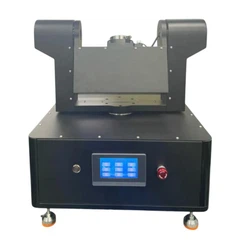
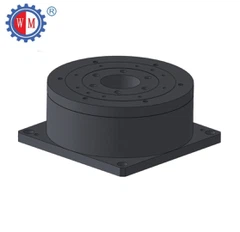
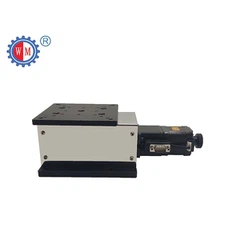
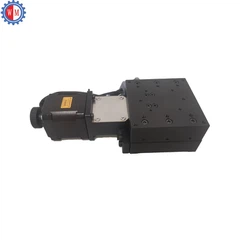
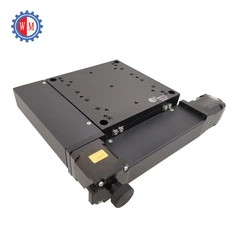
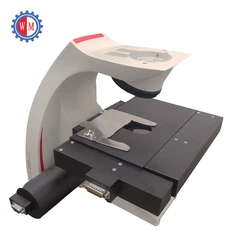
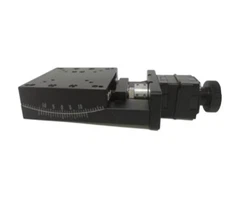
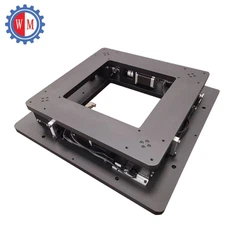


As a supplier of Manual Z - Axis Stages, I've received numerous inquiries about the long - term stability of these products. In this blog, I'll delve into what stability means for manual Z - Axis stages over time, the factors influencing it, and why it matters in various applications.
Defining Stability in Manual Z - Axis Stages
Stability in the context of manual Z - Axis stages refers to the ability of the stage to maintain its position accurately over a given period. This is crucial because in many precision applications, even the slightest deviation from the set position can lead to significant errors. For example, in microscopy, a misaligned Z - Axis stage can result in blurry images, making it difficult to analyze samples accurately.
When we talk about long - term stability, we are considering factors such as how the stage behaves over hours, days, or even months of continuous or intermittent use. A stable manual Z - Axis stage should not drift from its set position due to internal or external factors.
Factors Affecting the Stability of Manual Z - Axis Stages
1. Material Quality
The materials used in the construction of the stage play a vital role in its long - term stability. High - quality metals, such as stainless steel or aluminum alloys, are commonly used. Stainless steel offers excellent corrosion resistance and high strength, which helps the stage maintain its shape and structure over time. Aluminum alloys, on the other hand, are lightweight yet strong, and they can provide good stability while reducing the overall weight of the stage.
For instance, if a stage is made from a low - grade metal, it may be more prone to deformation under stress. This deformation can lead to changes in the stage's position, affecting its stability. As a supplier, we ensure that our Manual Vertical Stage is constructed using high - quality materials to guarantee long - term stability.
2. Mechanical Design
The mechanical design of the stage is another critical factor. A well - designed stage will have a robust and precise mechanism for adjusting the Z - Axis position. This includes features such as high - quality lead screws or ball screws. Lead screws are cost - effective and can provide good precision for many applications. Ball screws, on the other hand, offer higher efficiency and smoother operation, which can contribute to better stability.
The way the stage is assembled also matters. Proper alignment of components and the use of high - quality bearings can reduce friction and ensure that the stage moves smoothly and stays in place once set. Our manual Z - Axis stages are engineered with a focus on mechanical design to provide optimal stability.
3. Environmental Conditions
Environmental factors can have a significant impact on the stability of manual Z - Axis stages. Temperature changes, for example, can cause materials to expand or contract. If a stage is exposed to large temperature variations, it may experience thermal expansion, which can lead to changes in its dimensions and position.
Humidity can also be a problem, especially for stages made from metals. High humidity can cause corrosion, which can weaken the structure of the stage and affect its stability. Vibration is another environmental factor. In a noisy or vibrating environment, the stage may be jostled out of position, reducing its stability.
To mitigate these effects, users may need to control the environmental conditions in which the stage is used. For example, using the stage in a temperature - and humidity - controlled room can help maintain its stability.
4. Usage Patterns
How the stage is used also affects its stability over time. Frequent and rough adjustments can wear out the mechanical components of the stage, leading to reduced stability. On the other hand, gentle and precise adjustments can help preserve the stage's performance.
If the stage is overloaded, it may also experience mechanical stress, which can cause deformation and affect its stability. It's important for users to follow the recommended load limits and usage guidelines provided by the supplier.


Importance of Stability in Different Applications
1. Microscopy
In microscopy, stability is of utmost importance. A stable Z - Axis stage allows for precise focusing of the microscope. This is essential for obtaining clear and accurate images of samples. Whether it's biological samples, materials science specimens, or semiconductor wafers, a stable stage ensures that the user can view the sample at the correct focal plane without having to constantly readjust the position.
2. Laser Machining
In laser machining applications, a stable Z - Axis stage is necessary for accurate material removal. The stage needs to maintain its position precisely to ensure that the laser beam is focused at the correct depth on the workpiece. Any deviation in the Z - Axis position can result in uneven machining, affecting the quality of the final product.
3. Metrology
Metrology involves the measurement of physical quantities with high precision. A stable manual Z - Axis stage is required to position the measurement probe accurately. This is crucial for obtaining reliable measurement results, whether it's measuring the height of a surface or the thickness of a material.
How Our Manual Z - Axis Stages Ensure Stability
As a supplier, we take several steps to ensure the long - term stability of our manual Z - Axis stages. First, we use high - quality materials in the construction of our stages. Our engineers carefully select materials based on their mechanical properties and resistance to environmental factors.
We also invest in advanced manufacturing processes to ensure the precision of our stages. Our mechanical design team focuses on creating a robust and efficient mechanism for adjusting the Z - Axis position. This includes using high - quality lead screws or ball screws and ensuring proper alignment of components during assembly.
In addition, we provide detailed usage guidelines to our customers. These guidelines include information on load limits, environmental conditions, and proper adjustment techniques. By following these guidelines, users can maximize the stability and lifespan of our manual Z - Axis stages.
Conclusion
The stability of manual Z - Axis stages over time is a complex but crucial aspect that affects their performance in various applications. Factors such as material quality, mechanical design, environmental conditions, and usage patterns all play a role in determining the long - term stability of the stage.
As a supplier of manual Z - Axis stages, we are committed to providing high - quality products that offer excellent stability. Our Manual Vertical Stage is designed and manufactured with the latest technology and materials to meet the demanding requirements of our customers.
If you are in the market for a reliable and stable manual Z - Axis stage, we invite you to contact us for more information. Our team of experts is ready to assist you in selecting the right stage for your application and to answer any questions you may have. We look forward to the opportunity to work with you and to provide you with the best manual Z - Axis stage solutions.
References
- Smith, J. (2018). Precision Mechanics in Laboratory Equipment. New York: Academic Press.
- Johnson, A. (2019). Environmental Effects on Mechanical Components. London: Wiley.
- Brown, C. (2020). Applications of Manual Z - Axis Stages in Industry. Tokyo: Elsevier.


