


Hey there! As a supplier of Manual Goniometer Tables, I've seen my fair share of common problems that users run into. In this blog, I'll walk you through how to troubleshoot these issues step by step.
1. Understanding the Manual Goniometer Table
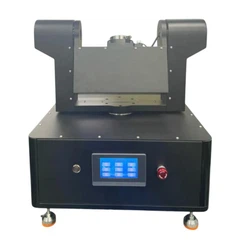
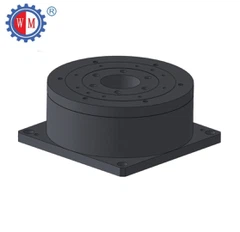
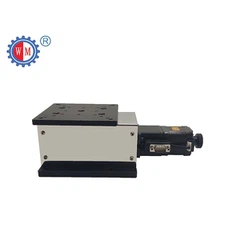
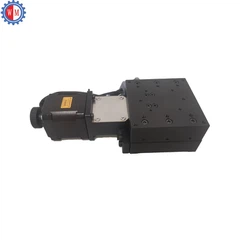
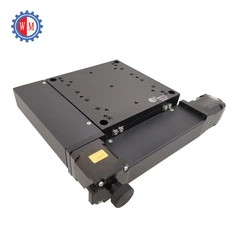
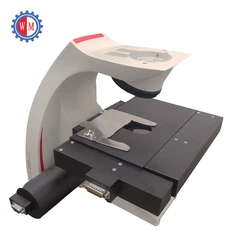
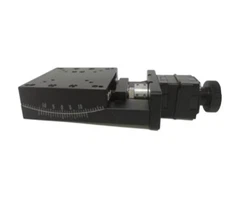
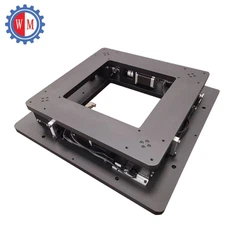
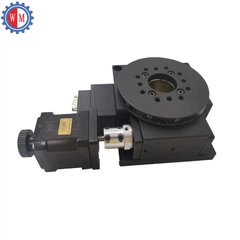
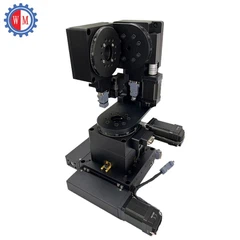
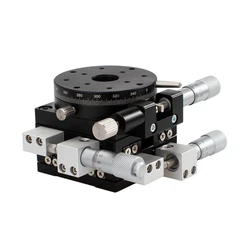
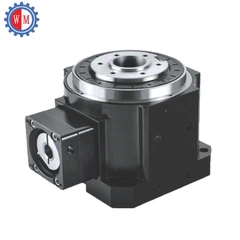
Before we dive into troubleshooting, let's quickly go over what a Manual Goniometer Table is. It's a precision instrument used to measure and adjust angles in various applications, like in laboratories, manufacturing, and research. We offer different types, such as the Manual Goniometer Stage and the Pitch Yaw Roll Manual Tilt Stage. These tables are crucial for accurate angle adjustments and measurements.
2. Common Problems and Their Solutions
Problem 1: Difficulty in Rotating the Table
One of the most common issues users face is difficulty in rotating the Manual Goniometer Table. This can be caused by a few things.
- Lack of Lubrication: Over time, the moving parts of the table can dry out, causing friction. To fix this, you can use a light machine oil. Apply a small amount to the pivot points and moving joints. Make sure to wipe off any excess oil to prevent it from attracting dust.
- Debris or Contamination: Sometimes, dirt, dust, or small particles can get into the table's mechanism, making it hard to rotate. Use a clean, dry brush to gently remove any visible debris. For hard - to - reach areas, you can use compressed air to blow out the particles.
Problem 2: Inaccurate Angle Readings
If you're getting inaccurate angle readings, it can throw off your entire experiment or project.
- Calibration Issues: The table may need to be recalibrated. First, check the user manual for the specific calibration procedure for your model. Usually, it involves setting the table to a known angle and adjusting the scale or sensor accordingly.
- Mechanical Wear and Tear: If the table has been used extensively, the gears or other mechanical components may have worn out. Inspect the gears for any signs of damage, such as teeth that are worn down or broken. If you find any damaged parts, you may need to replace them. You can contact us for replacement parts.
Problem 3: Loose or Wobbly Table
A loose or wobbly table can make it difficult to get precise measurements.
- Loose Screws or Bolts: Check all the screws and bolts on the table. Use a screwdriver or wrench to tighten any that are loose. Make sure not to over - tighten them, as this can damage the table.
- Base Instability: If the table is placed on an uneven surface, it can cause wobbling. Try placing the table on a flat, stable surface. You can also use shims under the base to level it if necessary.
3. Advanced Troubleshooting
Problem 4: Electrical Issues (if applicable)
Some Manual Goniometer Tables may have electrical components, such as sensors or digital displays.
- Power Supply Problems: Check if the power cord is properly plugged in and if the power outlet is working. You can use a multimeter to test the voltage at the power outlet. If the power supply is the issue, try using a different outlet or replacing the power cord.
- Sensor Malfunction: If the digital display is showing incorrect readings or is not working at all, the sensor may be malfunctioning. Check the sensor connections to make sure they are secure. If the problem persists, you may need to replace the sensor.
Problem 5: Difficulty in Locking the Table at a Specific Angle
If you're having trouble locking the table at a specific angle, it can be frustrating.
- Locking Mechanism Issues: Inspect the locking mechanism for any signs of damage or obstruction. Clean the locking parts and make sure they are moving freely. If the locking mechanism is damaged, it may need to be repaired or replaced.
4. Preventive Maintenance
To avoid these problems in the first place, it's important to perform regular preventive maintenance on your Manual Goniometer Table.
- Cleaning: Regularly clean the table with a soft, dry cloth to remove dust and debris. You can also use a mild cleaning solution for stubborn stains, but make sure to dry the table thoroughly afterwards.
- Lubrication: As mentioned earlier, lubricate the moving parts at regular intervals. This will help reduce friction and extend the life of the table.
- Storage: When not in use, store the table in a clean, dry place. Cover it with a dust cover to protect it from dust and moisture.
5. When to Seek Professional Help
If you've tried all the troubleshooting steps and still can't solve the problem, it may be time to seek professional help. We have a team of experts who are ready to assist you. Whether it's a complex mechanical issue or an electrical problem, we can diagnose and fix it for you.


6. Contact Us for Purchasing and Support
If you're in the market for a new Manual Goniometer Table or need replacement parts, we're here to help. Our Manual Goniometer Stage and Pitch Yaw Roll Manual Tilt Stage are of high quality and come with excellent customer support.
Don't hesitate to reach out to us if you have any questions about our products, need technical support, or want to discuss a purchase. We're committed to providing you with the best solutions for your angle - measurement needs.
References
- Manufacturer's User Manuals for Manual Goniometer Tables
- General Knowledge of Precision Instrument Maintenance and Troubleshooting


