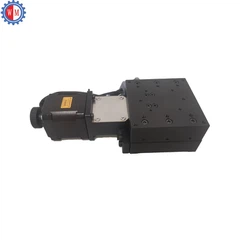
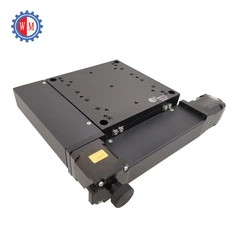
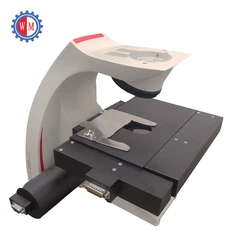
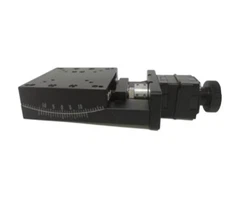


Hey there! As a supplier of Integrated BLDC Motors, I've seen firsthand how the load can have a major impact on motor performance. In this blog post, I'm gonna break down the relationship between load and the performance of an Integrated BLDC Motor, and share some insights that can help you make the most of these motors in your applications.
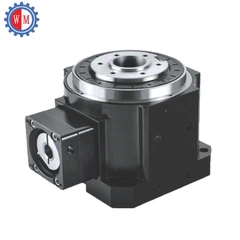
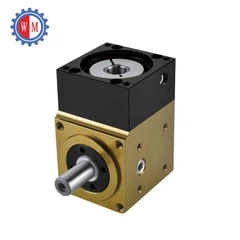
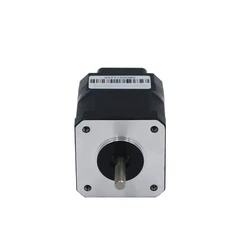
First off, let's talk about what an Integrated BLDC Motor is. An Integrated BLDC Motor combines the motor, controller, and often other components into a single unit. This integration offers several advantages, like simplified installation, reduced wiring, and better overall system efficiency. You can check out more about Brushless Dc Motor with Integrated Drive and Integrated Brushless Motor on our website.
Now, let's dive into how the load affects the performance of these motors. The load on a motor refers to the amount of work the motor has to do. It can be anything from driving a small fan to powering a large industrial machine. Different loads have different characteristics, and these characteristics can significantly impact the motor's performance.
Speed and Torque
One of the most obvious ways the load affects the motor is through its speed and torque. Torque is the rotational force that the motor can produce, and speed is how fast the motor can rotate. When you first start a motor with a load, the motor needs to generate enough torque to overcome the inertia of the load and get it moving. Once the load is in motion, the motor has to maintain enough torque to keep it moving at the desired speed.


As the load on the motor increases, the motor has to work harder. This usually means that the motor's speed will decrease if it doesn't have enough torque to maintain the original speed. For example, if you have a motor driving a conveyor belt and you start adding more weight to the belt (increasing the load), the motor might slow down unless it can generate more torque.
In an Integrated BLDC Motor, the controller plays a crucial role in managing the speed and torque. The controller can adjust the electrical current supplied to the motor based on the load. When the load increases, the controller can increase the current to the motor, which in turn increases the torque. However, there's a limit to how much the controller can increase the current. If the load is too high, the motor might not be able to handle it, and it could overheat or even stall.
Efficiency
Another important aspect affected by the load is the motor's efficiency. Efficiency is the ratio of the useful power output of the motor to the electrical power input. In an ideal world, a motor would convert all the electrical energy it consumes into mechanical energy. But in reality, there are always losses due to factors like friction, electrical resistance, and magnetic losses.
The efficiency of an Integrated BLDC Motor varies depending on the load. Generally, these motors are most efficient at a certain load range. At very light loads, the motor might not be operating at its optimal point, and there could be relatively high losses. On the other hand, at very heavy loads, the motor has to work so hard that the losses also increase. For example, if you have a motor that's designed to operate most efficiently at 70% of its maximum load, running it at 10% or 90% of its maximum load will likely result in lower efficiency.
So, when selecting an Integrated BLDC Motor for your application, it's important to consider the typical load that the motor will experience. If you choose a motor that's too large for the load, it will operate at a low load most of the time, which can lead to poor efficiency. Conversely, if you choose a motor that's too small for the load, it will be constantly overloaded, which can also reduce efficiency and potentially damage the motor.
Heat Generation
Heat is a by - product of the energy conversion process in a motor. The more work the motor has to do (higher load), the more heat it generates. Excessive heat can be a big problem for a motor because it can damage the insulation of the windings, reduce the lifespan of the motor, and even cause the motor to fail.
In an Integrated BLDC Motor, heat management is crucial. The motor and the controller both generate heat, and they need to be designed to dissipate this heat effectively. When the load on the motor increases, the heat generation also increases. If the motor is operating in an environment with poor ventilation or high ambient temperature, the heat can build up even faster.
To deal with heat, many Integrated BLDC Motors are equipped with cooling mechanisms. These can range from simple heat sinks to more complex forced - air or liquid - cooling systems. The cooling system helps to keep the motor and the controller at a safe operating temperature, even under heavy loads.
Reliability and Lifespan
The load also has a significant impact on the reliability and lifespan of an Integrated BLDC Motor. Running a motor under a heavy load for an extended period can put a lot of stress on its components. The bearings, windings, and the controller can all experience wear and tear more quickly when the motor is constantly working hard.
For example, the bearings in a motor are responsible for supporting the rotating shaft. Under heavy loads, the bearings have to withstand higher forces, which can lead to premature wear. If the bearings wear out, the motor's performance will decline, and it could eventually fail. Similarly, the windings in the motor can be damaged by excessive heat generated under heavy loads.
To ensure the reliability and long lifespan of an Integrated BLDC Motor, it's important to operate the motor within its rated load capacity. If you know that your application will have variable loads, it's a good idea to choose a motor that can handle the maximum expected load. This way, the motor won't be constantly overloaded, and it will be more likely to last a long time.
Choosing the Right Motor for the Load
When you're selecting an Integrated BLDC Motor for your application, you need to carefully consider the load requirements. Here are some steps you can take:
- Determine the Load Characteristics: Figure out what kind of load your motor will be driving. Is it a constant load, a variable load, or a cyclic load? What is the maximum and minimum load that the motor will experience? For example, if you're using the motor in a robotic arm, the load will vary depending on the position and movement of the arm.
- Calculate the Required Torque and Speed: Based on the load characteristics, calculate the amount of torque and the desired speed that the motor needs to provide. Make sure to account for any starting torque requirements, as starting a load often requires more torque than keeping it in motion.
- Consider the Efficiency: Look for a motor that will operate at its most efficient point for your typical load. This will help you save energy and reduce operating costs in the long run.
- Check the Heat Dissipation: Make sure the motor has an appropriate cooling system for the expected load. If the application will be in a hot environment or the load will be heavy, you might need a motor with a more robust cooling mechanism.
Contact Us for Your Motor Needs
If you're in the market for an Integrated BLDC Motor and need help choosing the right one for your load requirements, we're here to assist. We have a wide range of Integrated BLDC Motors that can handle different loads and applications. Our team of experts can work with you to understand your specific needs and recommend the best motor for your project. Whether you're a small business or a large industrial company, we can provide you with high - quality motors and excellent customer service. So, don't hesitate to reach out to us and start the procurement process.
References
- “Brushless DC Motors: Theory, Design, and Application” by Ned Mohan
- “Electric Motor Drives: Modeling, Analysis, and Control” by Bin Wu


