
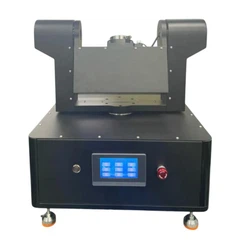
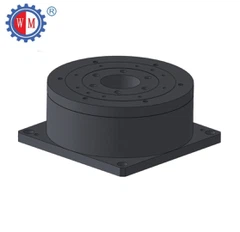
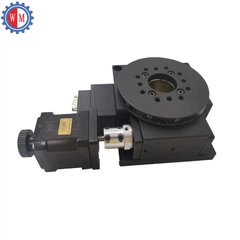
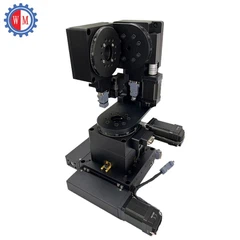
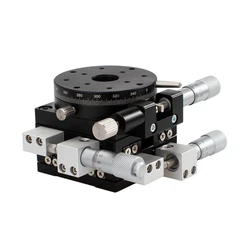
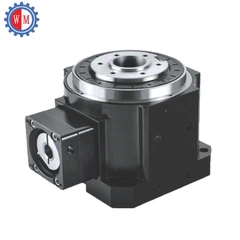
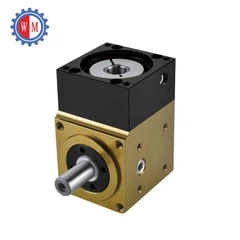


Hey there! As a supplier of Manual Rotary Stages, I often get asked about how to check the concentricity of these nifty devices. Concentricity is a crucial factor when it comes to the performance of a manual rotary stage. It ensures that the stage rotates around a true center, which is essential for accurate positioning and smooth operation. In this blog post, I'm going to walk you through the steps to check the concentricity of a manual rotary stage.
Why Concentricity Matters
Before we dive into the checking process, let's quickly talk about why concentricity is so important. A manual rotary stage is used in a wide range of applications, from precision machining to optical alignment. If the stage isn't concentric, it can lead to errors in positioning, uneven wear on the components, and even damage to the equipment being used. For example, in a machining application, a non - concentric rotary stage can result in off - center holes or uneven cuts, which can ruin the workpiece.
Tools You'll Need
To check the concentricity of a manual rotary stage, you'll need a few basic tools:
- Dial Indicator: This is the most important tool for measuring concentricity. A dial indicator can measure small displacements with high precision. You can get a good quality dial indicator from any industrial tool supplier.
- Magnetic Base: You'll need a magnetic base to mount the dial indicator securely. This allows you to position the indicator accurately relative to the rotary stage.
- Fixture or Mounting Plate: You may need a fixture or mounting plate to hold the component that you'll be using to check the concentricity. This ensures that the component is properly aligned with the rotary stage.
Step 1: Prepare the Rotary Stage
The first step is to make sure the manual rotary stage is clean and free of any debris. Use a clean, lint - free cloth to wipe down the stage and remove any dust or dirt. Next, mount the stage on a stable surface. Make sure it's firmly secured so that it doesn't move during the checking process.
Step 2: Mount the Dial Indicator
Attach the dial indicator to the magnetic base. Then, position the magnetic base near the rotary stage. You want to place the dial indicator so that its probe can touch the surface of the component that you'll be using to check the concentricity. This component could be a shaft or a circular plate that is mounted on the rotary stage.
Step 3: Set the Zero Point
Once the dial indicator is in position, rotate the rotary stage to its starting position. Gently bring the probe of the dial indicator into contact with the surface of the component. Make sure the probe is perpendicular to the surface. Then, zero the dial indicator. This sets the reference point for your measurements.
Step 4: Rotate the Stage and Take Measurements
Slowly rotate the manual rotary stage through a full 360 - degree rotation. As you rotate the stage, watch the dial indicator. The pointer on the dial indicator will move as the surface of the component moves relative to the center of rotation. Take note of the maximum and minimum readings on the dial indicator.
The difference between the maximum and minimum readings is the total indicator reading (TIR). A small TIR indicates good concentricity, while a large TIR means there are concentricity issues.
Step 5: Analyze the Results
If the TIR is within the acceptable tolerance for your application, then the concentricity of the manual rotary stage is good. However, if the TIR is outside the tolerance, you'll need to take corrective action. This could involve adjusting the mounting of the stage, checking for any mechanical damage, or realigning the components.
Common Issues and Solutions
- Mechanical Wear: Over time, the components of a manual rotary stage can wear out, which can affect concentricity. If you suspect mechanical wear, inspect the stage for any signs of damage, such as worn bearings or gears. Replace any worn components as needed.
- Improper Mounting: If the stage is not mounted correctly, it can cause concentricity problems. Make sure the stage is mounted on a flat and stable surface, and that all the mounting bolts are tightened evenly.
- Misalignment: Misalignment of the components can also lead to concentricity issues. Check the alignment of the shaft, bearings, and other components, and make any necessary adjustments.
Benefits of Checking Concentricity Regularly
Checking the concentricity of your manual rotary stage regularly can save you a lot of time and money in the long run. By catching concentricity issues early, you can prevent costly damage to your equipment and ensure that your applications run smoothly. It also helps to extend the lifespan of the rotary stage, as proper concentricity reduces wear and tear on the components.


Our Manual Rotary Stages
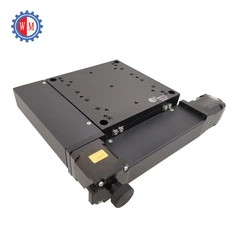
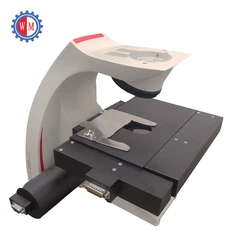
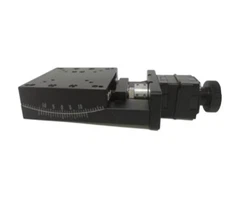
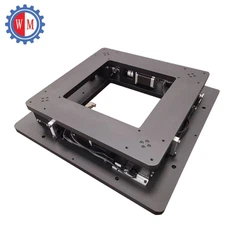
At our company, we offer a wide range of Manual Rotating Stage. Our stages are designed with high - quality materials and precision manufacturing processes to ensure excellent concentricity and performance. Whether you need a stage for a small - scale project or a large - scale industrial application, we have the right solution for you.
If you're in the market for a manual rotary stage or if you have any questions about concentricity or our products, don't hesitate to reach out. We're here to help you find the best solution for your needs. Our team of experts can provide you with more information about our products, assist you with installation and setup, and offer advice on how to maintain the performance of your manual rotary stage.
So, if you're looking for a reliable manual rotary stage supplier, look no further. Contact us today to start the conversation about your requirements and let's work together to get you the perfect manual rotary stage for your application.
References
- "Precision Measurement Handbook" - A comprehensive guide on precision measurement techniques, including concentricity measurement.
- "Industrial Machinery Maintenance Manual" - This manual provides detailed information on the maintenance and troubleshooting of industrial machinery, including manual rotary stages.


