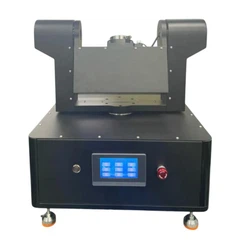
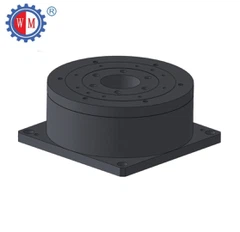
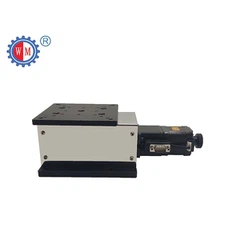
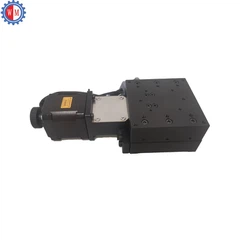
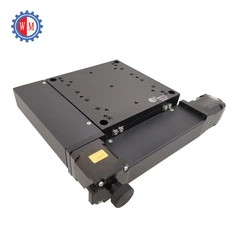
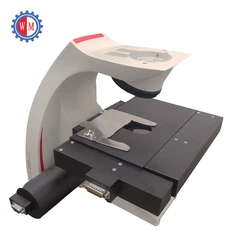
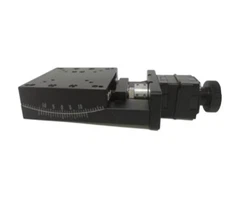
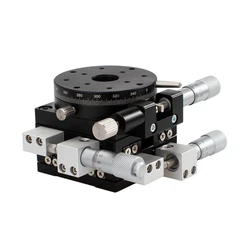


As a supplier of Manual Rotary Stages, I often receive inquiries from customers about the maintenance of these precision instruments. One of the most frequently asked questions is: How often should a manual rotary stage be lubricated? In this blog post, I will delve into this topic, providing you with scientific and practical insights to help you optimize the performance and lifespan of your manual rotary stage.
Understanding the Importance of Lubrication
Before discussing the lubrication frequency, it's crucial to understand why lubrication is essential for a manual rotary stage. A manual rotary stage is a precision mechanical device used for accurate angular positioning in various applications, such as microscopy, optical testing, and industrial automation. The moving parts of the stage, including the bearings, gears, and lead screws, are subject to friction and wear during operation. Lubrication serves several key functions:
- Reduces Friction: By creating a thin film between the moving parts, lubricants minimize the frictional forces, allowing for smooth and effortless rotation. This not only improves the precision of the stage but also reduces the energy consumption required to operate it.
- Prevents Wear and Tear: Friction can cause the surfaces of the moving parts to wear down over time, leading to decreased accuracy and eventual failure of the stage. Lubrication helps to protect these surfaces by preventing direct metal-to-metal contact, thereby extending the lifespan of the stage.
- Corrosion Protection: Many manual rotary stages are made of metal components that are susceptible to corrosion, especially in humid or corrosive environments. Lubricants can act as a barrier, protecting the metal surfaces from moisture and other corrosive agents.
- Noise Reduction: Friction between the moving parts can generate noise during operation. Proper lubrication helps to dampen these vibrations and reduce the noise level, creating a more comfortable working environment.
Factors Affecting Lubrication Frequency
The frequency at which a manual rotary stage should be lubricated depends on several factors, including the following:
- Operating Conditions: The environment in which the stage is used plays a significant role in determining the lubrication frequency. If the stage is operated in a clean, dry environment with low levels of dust and debris, it may require less frequent lubrication compared to a stage used in a harsh industrial environment with high levels of contaminants.
- Usage Intensity: The frequency and duration of use also affect the lubrication requirements. A stage that is used continuously for long periods of time will experience more wear and tear and may require more frequent lubrication than a stage that is used only occasionally.
- Lubricant Type: Different types of lubricants have different properties and lifespans. Some lubricants are designed for high-speed applications, while others are better suited for low-speed, high-load applications. The type of lubricant used will also influence the lubrication frequency.
- Stage Design: The design of the manual rotary stage can also affect the lubrication requirements. Some stages have sealed bearings or other components that are pre-lubricated and require less frequent maintenance, while others may have open bearings or gears that need to be lubricated more often.
General Guidelines for Lubrication Frequency
Based on my experience as a supplier of manual rotary stages, I recommend the following general guidelines for lubrication frequency:


- Light Usage: If the stage is used only occasionally, such as for laboratory experiments or occasional testing, lubrication once every 6 to 12 months may be sufficient.
- Moderate Usage: For stages that are used regularly but not continuously, lubrication every 3 to 6 months is recommended.
- Heavy Usage: In applications where the stage is used continuously for long periods of time, such as in industrial production lines, lubrication every 1 to 3 months may be necessary.
It's important to note that these are just general guidelines, and the actual lubrication frequency may need to be adjusted based on the specific operating conditions and usage patterns of your stage. It's always a good idea to consult the manufacturer's recommendations and guidelines for your particular model of manual rotary stage.
How to Lubricate a Manual Rotary Stage
Proper lubrication is essential for the optimal performance and lifespan of your manual rotary stage. Here are the general steps for lubricating a manual rotary stage:
- Clean the Stage: Before lubricating the stage, it's important to clean the moving parts to remove any dirt, debris, or old lubricant. Use a clean, lint-free cloth and a mild cleaning solution to wipe down the surfaces of the bearings, gears, and lead screws.
- Select the Right Lubricant: Choose a lubricant that is suitable for the specific application and operating conditions of your stage. Consult the manufacturer's recommendations or a lubrication specialist for guidance on selecting the appropriate lubricant.
- Apply the Lubricant: Apply the lubricant to the moving parts of the stage according to the manufacturer's instructions. Use a small brush or applicator to apply the lubricant evenly to the bearings, gears, and lead screws. Be careful not to over-lubricate, as this can cause the lubricant to attract dirt and debris and may lead to increased friction and wear.
- Operate the Stage: After applying the lubricant, operate the stage for a few minutes to distribute the lubricant evenly and ensure that it has reached all the moving parts.
- Wipe off Excess Lubricant: Use a clean, lint-free cloth to wipe off any excess lubricant from the surfaces of the stage. This will help to prevent the lubricant from attracting dirt and debris and will keep the stage clean and tidy.
Conclusion
In conclusion, proper lubrication is essential for the optimal performance and lifespan of a manual rotary stage. The frequency at which a stage should be lubricated depends on several factors, including the operating conditions, usage intensity, lubricant type, and stage design. By following the general guidelines outlined in this blog post and consulting the manufacturer's recommendations, you can ensure that your manual rotary stage is properly lubricated and maintained, providing you with accurate and reliable performance for years to come.
If you have any further questions or need more information about manual rotary stages or lubrication, please feel free to contact us. We are a leading supplier of Manual Rotating Stage and other precision motion control products, and we are committed to providing our customers with the highest quality products and services. Whether you are looking for a standard manual rotary stage or a custom-designed solution, we can help you find the right product for your application. Contact us today to discuss your requirements and get a quote.
References
- Manufacturer's manuals and guidelines for manual rotary stages.
- Industry standards and best practices for lubrication of precision mechanical components.
- Technical literature and research papers on friction, wear, and lubrication.


