

Hey there! As a supplier of Integrated BLDC Motors, I've seen firsthand how load inertia can have a big impact on the starting process of these motors. In this blog, I'm gonna break down what load inertia is, how it affects the starting of an Integrated BLDC Motor, and why it matters for you as a customer.
First off, let's talk about what load inertia is. In simple terms, load inertia is the resistance of an object to changes in its rotational motion. It's like when you're trying to push a heavy wheel. The heavier the wheel, the more effort it takes to get it spinning, right? That's because the wheel has a high inertia. In the context of an Integrated BLDC Motor, the load inertia refers to the inertia of the mechanical load that the motor is driving, such as a fan, a pump, or a conveyor belt.
So, how does load inertia affect the starting of an Integrated BLDC Motor? Well, when you start a motor, you're essentially trying to overcome the inertia of the load and get it up to speed. If the load inertia is too high, the motor may struggle to start, or it may take a long time to reach its rated speed. This can lead to a few issues.
One of the main problems is that a high load inertia can cause the motor to draw more current during startup. You see, when the motor is trying to overcome the inertia of the load, it needs to generate more torque. And to generate more torque, it has to draw more current from the power supply. This increased current draw can put a strain on the motor's windings and the power supply, potentially leading to overheating and premature failure.
Another issue is that a long startup time can be a problem in applications where quick response times are required. For example, in a robotic arm, you need the motor to start and stop quickly to perform precise movements. If the motor takes too long to start due to high load inertia, it can affect the overall performance of the system.
On the flip side, if the load inertia is too low, the motor may start too quickly and overshoot its target speed. This can also cause problems, such as mechanical stress on the load and inaccurate positioning.


Now, you might be wondering how you can determine the right load inertia for your Integrated BLDC Motor. Well, it depends on a few factors, such as the type of application, the required speed and torque, and the motor's specifications. As a general rule of thumb, you want to match the load inertia to the motor's inertia as closely as possible. This will ensure that the motor can start and run smoothly, without drawing excessive current or experiencing excessive wear and tear.
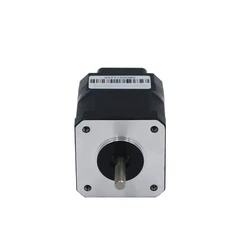
Here's where we come in. As a supplier of Brushless Dc Motor with Integrated Drive and Integrated Brushless Motor, we have the expertise and experience to help you select the right motor for your application. We can analyze your load requirements, calculate the load inertia, and recommend a motor that's perfectly suited to your needs.
We also offer a range of customization options to ensure that our motors meet your specific requirements. Whether you need a motor with a higher torque rating, a different speed range, or a custom mounting configuration, we can work with you to design and build a motor that's just right for you.
In addition to our product offerings, we also provide excellent customer support. Our team of technical experts is available to answer your questions, provide technical assistance, and help you troubleshoot any issues that you may encounter. We're committed to providing you with the best possible service and ensuring that you're completely satisfied with your purchase.
So, if you're in the market for an Integrated BLDC Motor and you're concerned about load inertia, don't hesitate to get in touch with us. We'd love to hear about your application and help you find the perfect motor for your needs. Whether you're a small business owner, an engineer, or a hobbyist, we have the products and the expertise to help you succeed.
Contact us today to start the conversation. We're here to make your motor selection process as easy and stress - free as possible.
References
- "Electric Motors and Drives: Fundamentals, Types and Applications" by Austin Hughes and Bill Drury.
- "Motor Handbook" by Arnold Tustin.


