
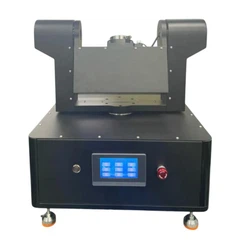
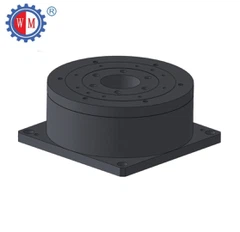
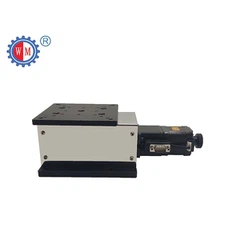
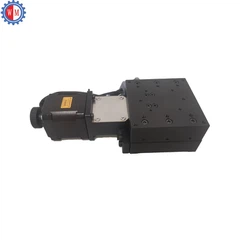


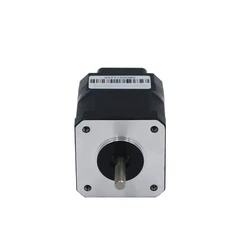


As a supplier of hollow rotary tables, I've received numerous inquiries about how these precision components perform in low-temperature environments. This blog post aims to comprehensively explore the behavior of hollow rotary tables under cold conditions, providing insights for those considering their use in such settings.
Understanding the Basics of Hollow Rotary Tables
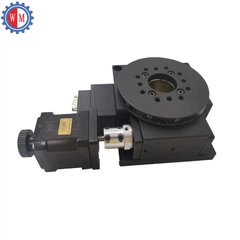
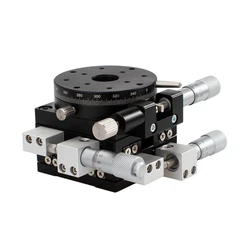
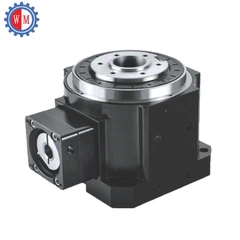
Before delving into low-temperature performance, it's essential to understand what a hollow rotary table is. A hollow rotary table is a high-precision indexing device that provides accurate rotational movement. It consists of a hollow shaft in the center, which allows for the passage of cables, pipes, or other components. These tables are widely used in automation, robotics, and CNC machining applications due to their high precision, rigidity, and compact design.
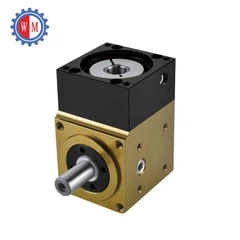
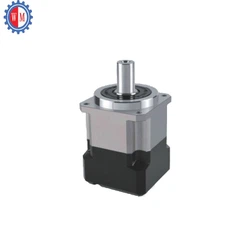
There are different types of hollow rotary tables available, including Closed Loop Control Hollow Rotary Actuator, Hollow Rotary Gearbox for Stepper Motor, and Hollow Rotary Gearbox for Servo Motor. Each type is designed to meet specific application requirements, such as the need for precise control, high torque, or compatibility with different motor types.
Effects of Low Temperatures on Hollow Rotary Tables
Low temperatures can have several effects on the performance of hollow rotary tables. These effects can be categorized into mechanical, electrical, and lubrication-related issues.
Mechanical Effects
One of the primary mechanical effects of low temperatures is the contraction of materials. As the temperature drops, the metal components of the hollow rotary table, such as the gears, shafts, and bearings, will contract. This contraction can lead to changes in the clearances between components, which may affect the smooth operation of the table. For example, if the clearances become too small, it can cause increased friction and wear, leading to premature failure of the components.
In addition, low temperatures can also affect the hardness and brittleness of the materials. Some metals become more brittle at low temperatures, which increases the risk of cracking or breaking under stress. This is particularly important in applications where the hollow rotary table is subjected to high loads or sudden impacts.
Electrical Effects
Electrical components in the hollow rotary table, such as motors, sensors, and controllers, can also be affected by low temperatures. Batteries, for example, may have reduced capacity and performance at low temperatures, which can lead to shorter operating times and reduced power output. Electronic components may also experience increased resistance and reduced conductivity, which can affect their accuracy and reliability.
Furthermore, low temperatures can cause condensation to form on the electrical components, which can lead to short circuits and other electrical failures. This is especially problematic in outdoor or humid environments.
Lubrication Effects
Lubrication is crucial for the smooth operation of the hollow rotary table. However, low temperatures can significantly affect the properties of lubricants. Most lubricants become more viscous at low temperatures, which means they flow less easily. This increased viscosity can make it difficult for the lubricant to reach all the necessary components, leading to increased friction and wear.
In addition, some lubricants may solidify or become too thick to provide effective lubrication at very low temperatures. This can cause the components to seize up, resulting in a complete failure of the hollow rotary table.
Strategies for Improving Low-Temperature Performance
To mitigate the effects of low temperatures on hollow rotary tables, several strategies can be employed.
Material Selection
Choosing the right materials is essential for ensuring the performance of the hollow rotary table in low-temperature environments. Metals with low coefficients of thermal expansion, such as stainless steel or titanium, can help reduce the effects of contraction and expansion. These materials are also less likely to become brittle at low temperatures, which increases their durability.
In addition, using materials with good electrical conductivity and resistance to corrosion can help improve the performance of the electrical components in the hollow rotary table.
Lubricant Selection
Selecting the appropriate lubricant is crucial for maintaining the performance of the hollow rotary table at low temperatures. Low-temperature lubricants are specifically designed to have a lower viscosity and better flow properties at cold temperatures. These lubricants can provide effective lubrication even in extreme cold conditions.
It's also important to ensure that the lubricant is compatible with the materials used in the hollow rotary table to prevent any chemical reactions or degradation.
Heating and Insulation
In some cases, it may be necessary to provide heating or insulation to the hollow rotary table to maintain its temperature within an acceptable range. Heating elements can be installed in the table or its enclosure to keep the components warm. Insulation materials can also be used to reduce heat loss and prevent cold air from reaching the table.
However, it's important to ensure that the heating and insulation systems are designed and installed correctly to avoid any safety hazards or damage to the components.
Regular Maintenance
Regular maintenance is essential for ensuring the long-term performance of the hollow rotary table in low-temperature environments. This includes checking the lubricant levels, inspecting the components for wear and damage, and cleaning the table to remove any dirt or debris.
In addition, it's important to follow the manufacturer's recommendations for maintenance and servicing to ensure that the hollow rotary table is operating at its optimal performance.


Conclusion
In conclusion, low temperatures can have a significant impact on the performance of hollow rotary tables. However, by understanding the effects of low temperatures on the mechanical, electrical, and lubrication components, and by implementing appropriate strategies for improvement, it's possible to ensure the reliable operation of these tables in cold environments.
As a supplier of hollow rotary tables, we are committed to providing our customers with high-quality products that are designed to perform well in a variety of environments, including low-temperature conditions. If you have any questions or need further information about our products, please don't hesitate to contact us for a purchase negotiation. We look forward to working with you to meet your specific requirements.
References
- "Engineering Materials and Their Applications" by Donald Askeland and Pradeep Fulay.
- "Lubrication Fundamentals" by Howard D. Hamrock, Bernard J. Jacobson, and Samuel R. Schmid.
- "Electrical Engineering: Principles and Applications" by Allan R. Hambley.


