

As a supplier of Integrated BLDC Motors, I've witnessed firsthand the growing interest in these advanced motor systems and the ongoing comparison between them and traditional brushed DC motors. In this blog post, I'll delve into the key differences, advantages, and considerations when choosing between an Integrated BLDC Motor and a brushed DC motor.
Understanding the Basics
Before we dive into the comparison, let's briefly understand how each type of motor works.
A brushed DC motor is a relatively simple design that has been around for a long time. It consists of a stator (the stationary part) and a rotor (the rotating part). The stator contains permanent magnets, and the rotor has a coil of wire. As current flows through the coil, it creates a magnetic field that interacts with the stator's magnetic field, causing the rotor to rotate. The motor uses brushes and a commutator to switch the direction of the current in the rotor coil, ensuring continuous rotation.
On the other hand, a BLDC motor (Brushless DC Motor) is a more modern and sophisticated design. It also has a stator and a rotor, but the roles are reversed compared to a brushed DC motor. The stator in a BLDC motor contains the coils of wire, and the rotor has permanent magnets. Instead of using brushes and a commutator, a BLDC motor uses an electronic controller to switch the direction of the current in the stator coils. This results in a more precise and efficient operation.
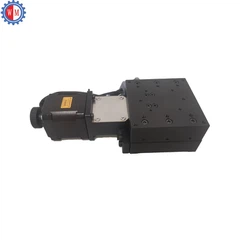
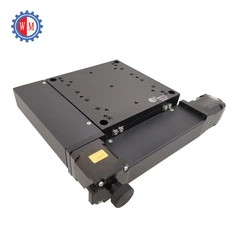
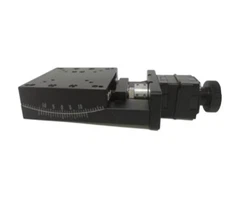
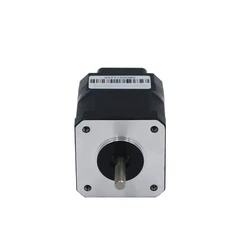
An Integrated BLDC Motor takes the concept of a BLDC motor a step further by integrating the motor and the electronic controller into a single unit. This integration offers several benefits, which we'll explore in more detail below.
Performance Comparison
Efficiency
One of the most significant advantages of an Integrated BLDC Motor over a brushed DC motor is its efficiency. In a brushed DC motor, the brushes and commutator create friction and electrical resistance, which results in energy loss in the form of heat. This not only reduces the motor's efficiency but also limits its lifespan.


In contrast, an Integrated BLDC Motor uses an electronic controller to switch the current in the stator coils, eliminating the need for brushes and commutators. This reduces friction and electrical resistance, resulting in higher efficiency. According to industry studies, BLDC motors can be up to 80-90% efficient, while brushed DC motors typically have an efficiency of around 50-60%. This increased efficiency translates into lower energy consumption and cost savings over the motor's lifespan. Integrated Brushless Motor
Speed and Torque Control
Another area where Integrated BLDC Motors excel is in speed and torque control. A brushed DC motor's speed is primarily controlled by adjusting the voltage applied to the motor. However, this method is relatively simple and has limitations in terms of precision and responsiveness.
An Integrated BLDC Motor, on the other hand, uses an electronic controller to precisely control the speed and torque of the motor. The controller can adjust the current and voltage in the stator coils based on the motor's load and speed requirements, resulting in smooth and accurate operation. This makes Integrated BLDC Motors ideal for applications that require precise speed and torque control, such as robotics, servo systems, and electric vehicles. Brushless Dc Motor with Integrated Drive
Lifespan and Maintenance
The lifespan and maintenance requirements of a motor are also important considerations when choosing between an Integrated BLDC Motor and a brushed DC motor. In a brushed DC motor, the brushes and commutator are subject to wear and tear due to the friction and electrical arcing. This means that the brushes need to be replaced periodically, and the commutator may need to be cleaned or resurfaced.
In an Integrated BLDC Motor, the absence of brushes and commutators eliminates these maintenance issues. This results in a longer lifespan and lower maintenance costs. Additionally, the electronic controller in an Integrated BLDC Motor can monitor the motor's performance and detect any issues early on, allowing for proactive maintenance and reducing the risk of unexpected downtime.
Size and Weight
Integrated BLDC Motors are generally smaller and lighter than brushed DC motors of the same power rating. This is because the electronic controller in an Integrated BLDC Motor can be designed to be more compact and efficient, reducing the overall size and weight of the motor.
The smaller size and weight of Integrated BLDC Motors make them ideal for applications where space and weight are limited, such as portable devices, drones, and electric bicycles. They also offer the advantage of easier installation and integration into existing systems.
Noise and Vibration
Brushed DC motors tend to produce more noise and vibration than Integrated BLDC Motors. This is due to the friction and electrical arcing between the brushes and commutator, which can cause mechanical and electrical noise.
In contrast, an Integrated BLDC Motor operates more quietly and smoothly. The electronic controller in an Integrated BLDC Motor can adjust the current and voltage in the stator coils to minimize noise and vibration, resulting in a more comfortable and quiet operation. This makes Integrated BLDC Motors suitable for applications where noise and vibration are a concern, such as home appliances, medical devices, and audio equipment.
Cost Considerations
While Integrated BLDC Motors offer many advantages over brushed DC motors, they are generally more expensive. The cost of an Integrated BLDC Motor is higher due to the more complex electronic controller and the advanced technology used in its design.
However, when considering the total cost of ownership, an Integrated BLDC Motor can be a more cost-effective solution. The higher efficiency, longer lifespan, and lower maintenance requirements of an Integrated BLDC Motor can result in significant cost savings over the motor's lifespan. Additionally, the improved performance and reliability of an Integrated BLDC Motor can lead to increased productivity and reduced downtime, further offsetting the initial higher cost.
Applications
The choice between an Integrated BLDC Motor and a brushed DC motor ultimately depends on the specific application requirements. Here are some common applications where each type of motor is commonly used:
Brushed DC Motors
- Low-cost applications: Brushed DC motors are often used in low-cost applications where simplicity and cost are the primary considerations, such as toys, small fans, and battery-powered tools.
- Simple control requirements: Brushed DC motors are suitable for applications where simple speed control is required, such as conveyor belts and small pumps.
- Low-power applications: Brushed DC motors are commonly used in low-power applications where the motor's efficiency and lifespan are not critical, such as door locks and window regulators.
Integrated BLDC Motors
- High-performance applications: Integrated BLDC Motors are ideal for high-performance applications where precision, efficiency, and reliability are required, such as robotics, servo systems, and electric vehicles.
- Variable speed applications: Integrated BLDC Motors are well-suited for applications that require variable speed control, such as HVAC systems, industrial fans, and pumps.
- Noise-sensitive applications: Integrated BLDC Motors are commonly used in applications where noise and vibration are a concern, such as home appliances, medical devices, and audio equipment.
Conclusion
In conclusion, an Integrated BLDC Motor offers several advantages over a brushed DC motor, including higher efficiency, better speed and torque control, longer lifespan, lower maintenance requirements, smaller size and weight, and quieter operation. While the initial cost of an Integrated BLDC Motor may be higher, the total cost of ownership can be lower due to the reduced energy consumption, longer lifespan, and lower maintenance costs.
If you're considering upgrading your motor system or are in the process of selecting a motor for a new application, I encourage you to contact us to discuss your specific requirements. As a leading supplier of Integrated BLDC Motors, we have the expertise and experience to help you choose the right motor for your needs. Our team of engineers can work with you to design a customized solution that meets your performance, efficiency, and cost requirements.
Contact us today to learn more about our Integrated BLDC Motors and how they can benefit your application.
References
- Johnson, M. (2018). Brushless DC Motors: Principles, Control, and Applications. Wiley-IEEE Press.
- Lin, B., & Fang, W. (2019). Comparison of Brushed DC and Brushless DC Motors for Electric Vehicles. International Journal of Automotive Technology, 20(2), 243-250.
- Miller, T. J. E. (1989). Brushless Permanent-Magnet and Reluctance Motor Drives. Oxford University Press.


