

Can Manual X - Axis Stages be used for 3D printing applications?
Hey there, folks! As a supplier of Manual X - Axis Stages, I often get asked whether these nifty devices can be used in 3D printing applications. Well, let's dive right into it and explore this topic in detail.
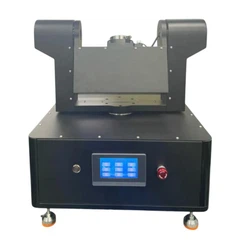
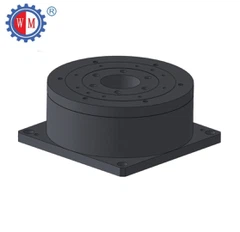
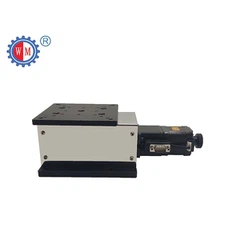
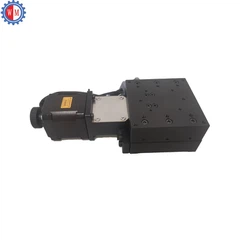
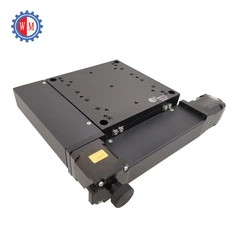
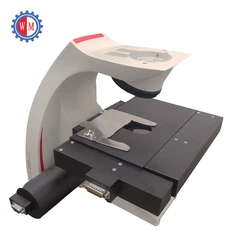
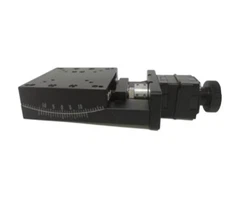
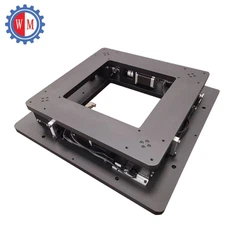
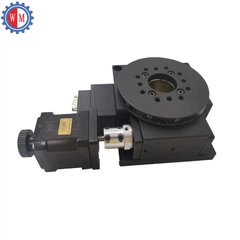
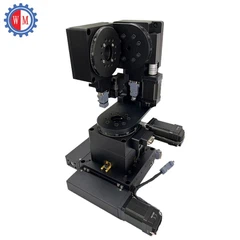
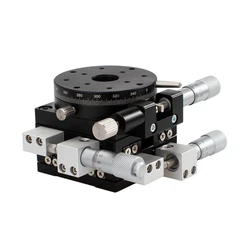
First off, let's understand what Manual X - Axis Stages are. A Manual X - Axis Stage is a mechanical device that allows for precise movement along the X - axis. It provides a controlled way to adjust the position of an object in one specific direction. There are different types of Manual X - Axis Stages available, like the Manual Adjustable Table, the Manual X Axis Adjustable Stage, and the X Axis Manual Linear Translation Stage.
Now, let's talk about 3D printing. 3D printing, also known as additive manufacturing, is a process of creating three - dimensional objects from a digital model. It involves laying down successive layers of material until the object is formed. In a typical 3D printer, there are usually three axes of movement: the X, Y, and Z axes. The X - axis is responsible for the left - to - right movement of the print head or the build platform.
So, can Manual X - Axis Stages be used in 3D printing? The short answer is yes, but with some considerations.
Advantages of Using Manual X - Axis Stages in 3D Printing
Precision
One of the main advantages of Manual X - Axis Stages is their precision. These stages are designed to provide accurate and repeatable movement along the X - axis. In 3D printing, precision is crucial, especially when you're printing complex or detailed objects. With a Manual X - Axis Stage, you can ensure that the print head or the build platform moves exactly where it needs to, resulting in high - quality prints.
Cost - effectiveness
Manual X - Axis Stages are generally more affordable than their motorized counterparts. If you're on a budget or just starting out with 3D printing, using a Manual X - Axis Stage can be a cost - effective solution. You can get a decent - quality stage without breaking the bank, which is great for hobbyists or small - scale 3D printing operations.
Customizability
Manual X - Axis Stages offer a high degree of customizability. You can easily adjust the movement range, the speed of movement, and other parameters according to your specific 3D printing needs. This flexibility allows you to experiment with different printing techniques and achieve the desired results.
Simplicity
Manual X - Axis Stages are relatively simple to use and maintain. There are no complex electronics or programming involved, which makes them a great option for beginners. You don't need to be a tech wizard to operate a Manual X - Axis Stage in your 3D printer.
Limitations of Using Manual X - Axis Stages in 3D Printing
Speed
One of the biggest limitations of Manual X - Axis Stages is their speed. Since they are manually operated, the movement speed is limited by the user's ability to turn the adjustment knobs. In 3D printing, especially for large - scale or high - volume production, speed is an important factor. Motorized stages can move much faster than manual ones, which means that using a Manual X - Axis Stage may result in longer print times.


Automation
Manual X - Axis Stages lack automation. In modern 3D printing, automation is becoming increasingly important. Automated stages can be programmed to move in a specific pattern, which allows for continuous and unattended printing. With a Manual X - Axis Stage, you need to be present and manually adjust the position of the stage throughout the printing process, which can be time - consuming and inconvenient.
Complexity of Large - Scale Projects
For large - scale 3D printing projects, Manual X - Axis Stages may not be the best choice. These projects often require a high level of accuracy and speed, as well as the ability to print continuously. Manual stages may not be able to keep up with the demands of large - scale production, and the risk of human error increases with the complexity of the project.
Applications Where Manual X - Axis Stages Can Shine in 3D Printing
Prototyping
If you're working on 3D printing prototypes, Manual X - Axis Stages can be a great option. Prototyping usually involves creating a small number of samples, and precision is more important than speed. You can take your time to adjust the stage and ensure that the prototype is printed accurately. Manual stages also allow for easy experimentation with different design iterations, as you can quickly make adjustments to the printing position.
Educational Purposes
In educational settings, Manual X - Axis Stages are ideal for teaching 3D printing. They are simple to understand and operate, which makes them a great tool for introducing students to the basics of 3D printing. Students can learn about the importance of precision and movement control in 3D printing by manually adjusting the stage.
Small - Scale Artistic Prints
For small - scale artistic 3D prints, Manual X - Axis Stages can add a personal touch. Artists often value the ability to have full control over the printing process, and manual stages allow them to do just that. They can create unique and intricate prints by carefully adjusting the position of the print head or the build platform.
Tips for Using Manual X - Axis Stages in 3D Printing
Calibration
Before using a Manual X - Axis Stage in your 3D printer, it's important to calibrate it properly. Calibration ensures that the stage moves accurately and that the prints are of high quality. You can use a calibration object or a test print to check the accuracy of the stage's movement and make any necessary adjustments.
Lubrication
Regular lubrication of the Manual X - Axis Stage is essential to ensure smooth movement. Over time, the moving parts of the stage can become dry and cause friction, which can affect the accuracy of the movement. Use a suitable lubricant to keep the stage running smoothly.
Maintenance
Keep the Manual X - Axis Stage clean and free from debris. Dust and dirt can accumulate on the stage and affect its performance. Regularly clean the stage with a soft brush or cloth to remove any dirt or debris.
Conclusion
In conclusion, Manual X - Axis Stages can be used for 3D printing applications, but they have their pros and cons. They offer precision, cost - effectiveness, customizability, and simplicity, which make them suitable for certain types of 3D printing projects, such as prototyping, educational purposes, and small - scale artistic prints. However, they are limited in terms of speed and automation, which may not be suitable for large - scale or high - volume production.
If you're interested in using Manual X - Axis Stages for your 3D printing needs, or if you have any questions about our products, feel free to reach out. We're here to help you find the right solution for your 3D printing projects. Whether you're a hobbyist, an educator, or a professional in the 3D printing industry, we can provide you with high - quality Manual X - Axis Stages that meet your requirements.
References
- Gibson, I., Rosen, D. W., & Stucker, B. (2010). Additive Manufacturing Technologies: Rapid Prototyping to Direct Digital Manufacturing. Springer.
- Hopkinson, N., Hague, R., & Dickens, P. M. (2006). Rapid Manufacturing: An Industrial Revolution for the Digital Age. Wiley.


