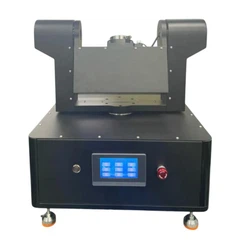
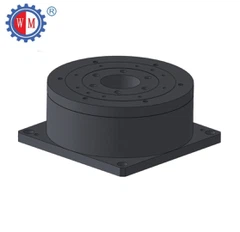
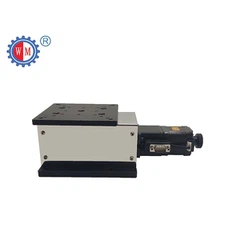
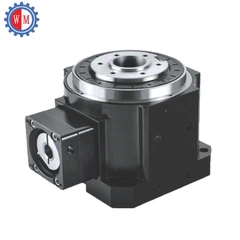
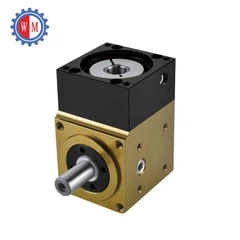
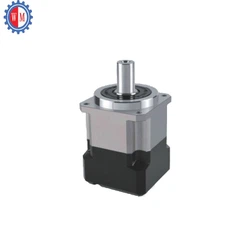
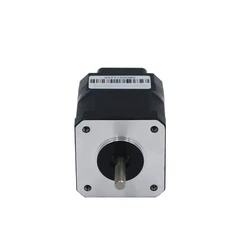


Controlling the rotation direction of a motorized rotary table is a fundamental aspect of its operation, crucial for a wide range of applications in industries such as manufacturing, automation, and research. As a leading supplier of motorized rotary tables, I understand the importance of providing clear guidance on this topic to our customers. In this blog post, I will delve into the various methods and techniques for controlling the rotation direction of a motorized rotary table, highlighting the key factors to consider and the solutions we offer.


Understanding the Basics of Motorized Rotary Tables
Before we discuss how to control the rotation direction, it's essential to have a basic understanding of how motorized rotary tables work. A motorized rotary table consists of a rotating platform driven by a motor, typically a stepper motor or a servo motor. The motor converts electrical energy into mechanical motion, causing the platform to rotate. The rotation can be continuous or incremental, depending on the application requirements.
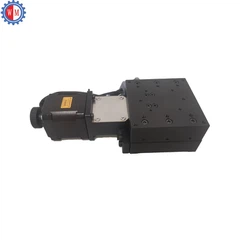
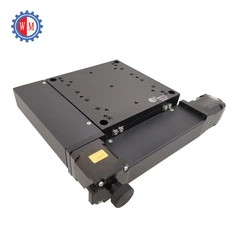
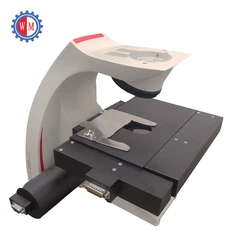
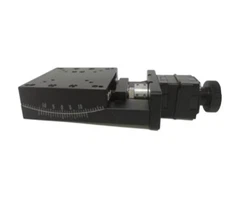
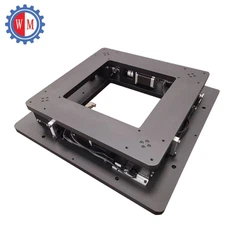
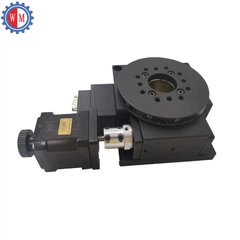
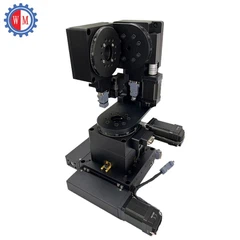
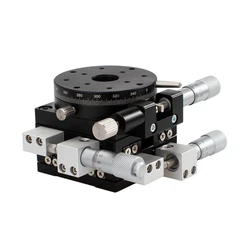
There are several types of motorized rotary tables available in the market, each with its own unique features and advantages. For instance, the Motorized Rotation Stage with Stepper Motor is known for its precise positioning and cost - effectiveness. Stepper motors move in discrete steps, allowing for accurate control of the rotation angle. On the other hand, the Servo Motor Rotary Stage offers high - speed operation and excellent torque control. Servo motors can adjust their speed and position based on feedback from sensors, making them suitable for applications that require dynamic and responsive motion. The Worm Gear Stepper Motor Rotation Stage provides high reduction ratios and self - locking capabilities, which are beneficial for applications where holding position is critical.
Controlling the Rotation Direction of a Stepper Motor - Driven Rotary Table
Pulse Sequence Control
Stepper motors are controlled by a series of electrical pulses. The rotation direction of a stepper motor can be controlled by changing the sequence of these pulses. There are two common pulse sequences: the full - step sequence and the half - step sequence.
In a full - step sequence, the motor moves in larger steps, providing more torque but less resolution. To reverse the rotation direction, you simply reverse the order of the pulse sequence. For example, if the normal sequence is A - B - C - D, the reverse sequence would be D - C - B - A.
The half - step sequence offers higher resolution as the motor moves in smaller steps. Similar to the full - step sequence, reversing the order of the pulse sequence will reverse the rotation direction. This method requires a stepper motor driver that can generate the appropriate pulse sequences.
Polarity Reversal
Another way to control the rotation direction of a stepper motor is by reversing the polarity of the motor windings. This can be achieved using a H - bridge circuit. A H - bridge circuit allows you to change the direction of the current flowing through the motor windings. When the current direction is reversed, the magnetic field in the motor changes, causing the motor to rotate in the opposite direction.
Controlling the Rotation Direction of a Servo Motor - Driven Rotary Table
Control Signals
Servo motors are controlled by control signals, typically in the form of pulse - width modulation (PWM). The width of the pulse determines the position of the servo motor. To control the rotation direction, you need to adjust the control signal accordingly.
Most servo motor controllers have a built - in function to reverse the rotation direction. By sending a specific command to the controller, you can change the relationship between the control signal and the rotation direction. For example, a normal control signal may cause the motor to rotate clockwise, and by changing the setting in the controller, the same control signal can make the motor rotate counter - clockwise.
Feedback and Encoders
Servo motors often use encoders to provide feedback on the motor's position and speed. The encoder sends signals back to the controller, which then adjusts the control signal to maintain the desired position and rotation direction. If the rotation direction needs to be changed, the controller can use the encoder feedback to ensure a smooth transition. For example, when reversing the rotation direction, the controller can gradually reduce the speed of the motor in the current direction, then increase the speed in the opposite direction while monitoring the encoder feedback to prevent overshooting.
Factors to Consider When Controlling the Rotation Direction
Load and Torque Requirements
The load on the rotary table and the torque requirements play a significant role in controlling the rotation direction. A heavy load may require more torque to start and reverse the rotation. If the motor does not have enough torque, it may stall or experience erratic motion when changing the rotation direction. Therefore, it is important to choose a motor with sufficient torque capacity for your application.
Speed and Acceleration
The speed and acceleration at which you want to change the rotation direction also need to be considered. High - speed applications may require more precise control to avoid mechanical stress and vibrations. Sudden changes in rotation direction at high speeds can cause damage to the motor and the rotary table components. You may need to adjust the acceleration and deceleration rates in the motor controller to ensure a smooth transition.
Environmental Conditions
Environmental conditions such as temperature, humidity, and dust can affect the performance of the motor and the control system. For example, high temperatures can reduce the efficiency of the motor and the controller, while dust can cause mechanical wear. It is important to choose a motorized rotary table and control system that are suitable for the environmental conditions of your application.
Our Solutions for Controlling Rotation Direction
As a supplier of motorized rotary tables, we offer a comprehensive range of products and services to help you control the rotation direction effectively. Our motorized rotary tables come with advanced motor controllers that provide easy - to - use interfaces for controlling the rotation direction.
For stepper motor - driven rotary tables, our stepper motor drivers support both pulse sequence control and polarity reversal methods. You can easily program the desired pulse sequences or reverse the polarity using the built - in controls.
For servo motor - driven rotary tables, our servo motor controllers have intuitive software that allows you to adjust the control signals and reverse the rotation direction with a few clicks. The controllers also support advanced features such as feedback control using encoders to ensure accurate and smooth rotation direction changes.
In addition, we provide technical support and training to our customers. Our team of experts can help you choose the right motorized rotary table and control system for your application, and guide you through the process of setting up and controlling the rotation direction.
Conclusion
Controlling the rotation direction of a motorized rotary table is a complex but essential task. By understanding the different methods for controlling the rotation direction of stepper and servo motors, considering the factors that affect the performance, and choosing the right products and solutions, you can ensure smooth and efficient operation of your motorized rotary table.
If you are interested in learning more about our motorized rotary tables or need assistance in controlling the rotation direction for your specific application, we encourage you to contact us for a detailed discussion. Our team is ready to provide you with the best solutions and support to meet your needs.
References
- "Stepper Motor Control Handbook", published by a leading motor manufacturer.
- "Servo Motor Fundamentals and Applications", an industry - recognized guide on servo motor technology.
- Technical documentation from our own product development and research on motorized rotary tables.


