

Hey there! As a supplier of Integrated Servo Motors, I often get asked if these motors can be used in a multi - axis system. Well, let's dive right into it and find out.
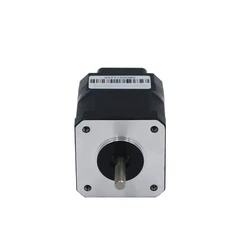
First off, what exactly is an Integrated Servo Motor? It's a nifty piece of tech that combines the motor, drive, and often some control functions into a single unit. This integration brings a whole bunch of advantages, like saving space, reducing wiring complexity, and improving overall system reliability.
Now, onto the main question: Can it be used in a multi - axis system? The short answer is yes! In fact, Integrated Servo Motors are a great fit for multi - axis setups, and here's why.
Advantages in Multi - Axis Systems
Space and Wiring
In a multi - axis system, space can be a real premium. You've got multiple motors working together, and if each one has its own separate drive and a bunch of wiring, things can get really crowded really fast. That's where Integrated Servo Motors shine. Since they combine the motor and drive, they take up a lot less space. And with less wiring, you not only save on the physical space but also reduce the chances of wiring errors. Fewer wires mean fewer things that can go wrong, which is a huge plus in any complex system.
Synchronization
One of the key requirements in a multi - axis system is precise synchronization between the different axes. Integrated Servo Motors are designed to communicate with each other easily. They can be programmed to work in harmony, ensuring that all axes move at the right time and at the right speed. This is crucial for applications like robotics, where multiple joints need to move in a coordinated way to perform a task. With an Integrated Servo Motor, achieving this synchronization is much simpler compared to using separate motors and drives.
Ease of Installation and Configuration
Setting up a multi - axis system can be a real headache. But Integrated Servo Motors make it a whole lot easier. They come pre - configured to work together, and the installation process is often much quicker. You don't have to spend hours figuring out how to connect a separate motor and drive for each axis. And if you need to make changes to the system later on, it's also a lot more straightforward.
Cost - Effectiveness
When you're building a multi - axis system, cost is always a consideration. Integrated Servo Motors can be more cost - effective in the long run. You save on the cost of buying separate drives for each motor, and the reduced wiring also cuts down on material and labor costs. Plus, since they're more reliable, you'll likely have fewer maintenance and repair costs over time.


Applications in Multi - Axis Systems
Robotics
As I mentioned earlier, robotics is a prime example of where Integrated Servo Motors excel in multi - axis systems. Robots need to move their arms, legs, and other joints precisely and in sync. An Integrated Servo Motor can provide the high - torque and high - speed performance required for these movements. Whether it's a industrial robot on a factory floor or a service robot in a hotel, these motors can make the robot more efficient and reliable.
CNC Machines
CNC (Computer Numerical Control) machines use multiple axes to cut, drill, and shape materials. The accuracy and speed of these machines depend on the precise control of each axis. Integrated Servo Motors can provide the level of control needed to produce high - quality parts. They can handle rapid acceleration and deceleration, which is essential for the complex movements of a CNC machine.
Automated Assembly Lines
In an automated assembly line, there are often multiple axes working together to pick, place, and assemble parts. Integrated Servo Motors can ensure that these operations are carried out smoothly and accurately. They can be programmed to perform repetitive tasks with high precision, increasing the efficiency of the assembly line.
Challenges and Considerations
Of course, using Integrated Servo Motors in a multi - axis system isn't without its challenges.
Power Requirements
Multi - axis systems can demand a lot of power, especially if the axes are moving heavy loads or at high speeds. You need to make sure that the Integrated Servo Motors you choose can handle the power requirements of your system. It's important to do a thorough power analysis before selecting the motors.
Heat Dissipation
Since the motor and drive are integrated into a single unit, heat dissipation can be a concern. In a multi - axis system, where multiple motors are working close together, the heat generated can add up quickly. You need to have a proper cooling system in place to prevent overheating, which could damage the motors.
Communication and Control
While Integrated Servo Motors are designed to communicate with each other, setting up the communication and control system can be complex. You need to make sure that the motors can talk to each other effectively and that the overall control system can manage all the axes. This may require some technical expertise and careful planning.
Our Solution: Integrated Servo Motor and Drive Kit
At our company, we offer an Integrated Servo Motor and Drive Kit that's specifically designed for multi - axis systems. This kit includes everything you need to get your multi - axis system up and running quickly and easily.
The motors in our kit are high - performance, with excellent torque and speed control. They're also designed to be energy - efficient, which can save you money on your electricity bills. The integrated design means less wiring and a smaller footprint, making it ideal for space - constrained applications.
We also provide comprehensive support and technical assistance. Our team of experts can help you with everything from selecting the right motors for your system to setting up the communication and control. We understand the challenges of using Integrated Servo Motors in multi - axis systems, and we're here to make sure you have a successful installation.
Conclusion
So, to sum it up, Integrated Servo Motors can definitely be used in a multi - axis system, and they offer a whole bunch of advantages. They're great for saving space, achieving precise synchronization, and reducing costs. However, you do need to consider the power requirements, heat dissipation, and communication challenges.
If you're thinking about using Integrated Servo Motors in your multi - axis system, I encourage you to reach out to us. We'd love to have a chat with you about your specific needs and how our Integrated Servo Motor and Drive Kit can help. Whether you're building a robot, a CNC machine, or an automated assembly line, we've got the solution for you. Don't hesitate to contact us for a detailed discussion and to start the procurement process.
References
- Motion Control Handbook, Second Edition, by Peter Nachtwey
- Servo Motors and Industrial Control Theory, by Benjamin C. Kuo


