
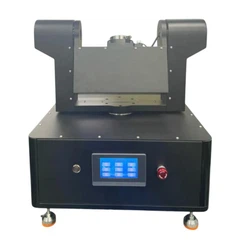




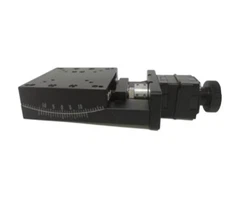

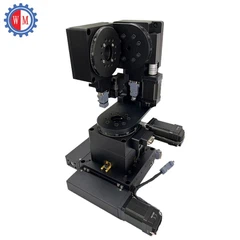
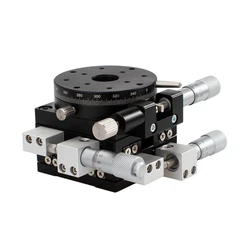





When it comes to precision measurement and alignment in various scientific and industrial applications, the Manual Goniometer Table plays a crucial role. As a trusted supplier of Manual Goniometer Tables, I am often asked about the surface finish of these essential devices. In this blog post, I will delve into the details of what the surface finish of a Manual Goniometer Table is, why it matters, and how it impacts the performance of the table.


Understanding Surface Finish
Surface finish refers to the quality of a surface as determined by its texture, roughness, and the presence of any irregularities. In the context of a Manual Goniometer Table, the surface finish is a critical characteristic that can significantly affect its functionality and performance. The surface finish is typically described in terms of parameters such as roughness average (Ra), which measures the average deviation of the surface from its mean line, and other related metrics that quantify the microscopic irregularities on the surface.
The surface finish of a Manual Goniometer Table is achieved through a combination of manufacturing processes, including machining, grinding, and polishing. These processes are carefully controlled to ensure that the surface meets the required specifications and provides the desired level of smoothness and flatness. The choice of materials and the specific manufacturing techniques used can also have a significant impact on the final surface finish of the table.
Importance of Surface Finish in Manual Goniometer Tables
The surface finish of a Manual Goniometer Table is of utmost importance for several reasons. Firstly, a smooth and flat surface is essential for accurate measurement and alignment. When using a goniometer table to measure angles or perform precise positioning, any irregularities on the surface can introduce errors and affect the accuracy of the measurements. A high-quality surface finish helps to minimize these errors and ensures that the table provides reliable and repeatable results.
Secondly, the surface finish can also affect the durability and longevity of the Manual Goniometer Table. A smooth surface is less prone to wear and tear, as it reduces the friction between the table and the objects placed on it. This can help to extend the lifespan of the table and reduce the need for frequent maintenance and replacement. Additionally, a good surface finish can also improve the corrosion resistance of the table, especially in environments where it may be exposed to moisture or other corrosive substances.
Another important aspect of surface finish is its impact on the ease of use and handling of the Manual Goniometer Table. A smooth surface makes it easier to place and secure objects on the table, as there is less resistance and the objects are less likely to slip or move during operation. This can improve the efficiency and productivity of the user, especially in applications where multiple measurements or adjustments need to be made.
Types of Surface Finishes for Manual Goniometer Tables
There are several types of surface finishes that can be applied to Manual Goniometer Tables, depending on the specific requirements of the application. Some of the most common surface finishes include:
- Ground Finish: A ground finish is achieved by using a grinding wheel to remove material from the surface of the table, resulting in a relatively smooth and flat surface. This type of finish is commonly used in applications where a high level of accuracy is required, as it provides a good balance between smoothness and flatness.
- Polished Finish: A polished finish is obtained by further refining the surface of the table using polishing techniques. This results in a very smooth and shiny surface, which can provide excellent accuracy and a high level of aesthetic appeal. Polished finishes are often used in applications where the table is visible or where a high-quality appearance is desired.
- Anodized Finish: An anodized finish is a process in which a thin layer of oxide is formed on the surface of the table through an electrochemical process. This finish can provide improved corrosion resistance and a hard, durable surface. Anodized finishes are commonly used in applications where the table is exposed to harsh environments or where a high level of protection is required.
- Black Oxide Finish: A black oxide finish is a type of chemical conversion coating that is applied to the surface of the table to provide a black, matte appearance. This finish can also improve the corrosion resistance of the table and provide a certain level of protection against wear and tear.
Factors Affecting Surface Finish
Several factors can affect the surface finish of a Manual Goniometer Table. These include:
- Material Selection: The choice of material for the table can have a significant impact on the surface finish. Different materials have different properties and respond differently to the manufacturing processes used to achieve the desired surface finish. For example, aluminum is a commonly used material for goniometer tables due to its lightweight and good machinability, but it may require additional finishing steps to achieve a high-quality surface finish compared to other materials such as stainless steel.
- Manufacturing Processes: The specific manufacturing processes used to produce the table, such as machining, grinding, and polishing, can also affect the surface finish. The quality of the equipment and the skill of the operators can play a crucial role in ensuring that the surface finish meets the required specifications.
- Surface Preparation: Proper surface preparation is essential for achieving a good surface finish. This includes cleaning the surface of the table to remove any contaminants or debris before applying the finishing processes. Any impurities on the surface can affect the adhesion of the finish and result in a poor-quality surface.
- Environmental Conditions: The environmental conditions during the manufacturing and use of the table can also have an impact on the surface finish. For example, high humidity or temperature can affect the drying and curing of the finish, while exposure to abrasive particles or chemicals can damage the surface.
Choosing the Right Surface Finish for Your Application
When selecting a Manual Goniometer Table, it is important to choose the right surface finish based on the specific requirements of your application. Consider the following factors when making your decision:
- Accuracy Requirements: If you require a high level of accuracy in your measurements, a ground or polished finish may be more suitable. These finishes provide a smoother and flatter surface, which can help to minimize errors and improve the accuracy of the table.
- Environmental Conditions: If the table will be used in a harsh environment, such as a laboratory or industrial setting, a finish that provides good corrosion resistance, such as an anodized or black oxide finish, may be more appropriate.
- Aesthetic Requirements: In some applications, the appearance of the table may also be a consideration. A polished finish can provide a high-quality and professional look, while a black oxide finish can give the table a more industrial or rugged appearance.
- Budget: The cost of the surface finish can also be a factor in your decision. Polished finishes and anodized finishes may be more expensive than ground or black oxide finishes, so it is important to consider your budget when choosing the right finish for your table.
Our Offerings
As a supplier of Manual Goniometer Tables, we offer a wide range of options with different surface finishes to meet the diverse needs of our customers. Our Manual Goniometer Stage is designed to provide high accuracy and reliability, with a choice of surface finishes to suit your specific requirements. Whether you need a ground finish for precise measurements or a polished finish for a high-quality appearance, we can provide the solution that meets your needs.
In addition, we also offer Pitch Yaw Roll Manual Tilt Stage, which provides additional flexibility and control for more complex applications. These stages are available with various surface finishes to ensure optimal performance and durability.
Contact Us for Your Manual Goniometer Table Needs
If you are in the market for a Manual Goniometer Table and have questions about surface finish or any other aspect of our products, we encourage you to contact us. Our team of experts is available to provide you with detailed information and guidance to help you choose the right table for your application. We are committed to providing high-quality products and excellent customer service, and we look forward to working with you to meet your precision measurement and alignment needs.
References
- ASME B46.1 - Surface Texture (Surface Roughness, Waviness, and Lay)
- ISO 4287 - Geometrical Product Specifications (GPS) - Surface texture: Profile method - Terms, definitions, and surface texture parameters
In conclusion, the surface finish of a Manual Goniometer Table is a critical factor that can significantly affect its performance, accuracy, durability, and ease of use. By understanding the importance of surface finish and the different types available, you can make an informed decision when choosing a Manual Goniometer Table for your specific application. As a trusted supplier, we are dedicated to providing high-quality products with the right surface finish to meet your needs. Contact us today to learn more about our Manual Goniometer Tables and how we can help you achieve your precision measurement goals.


