
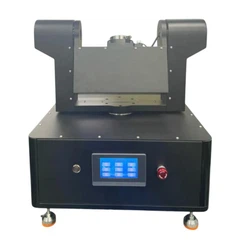
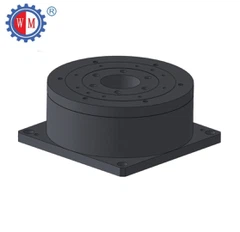
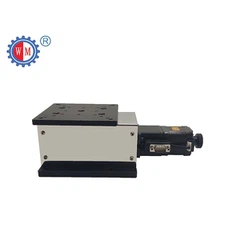
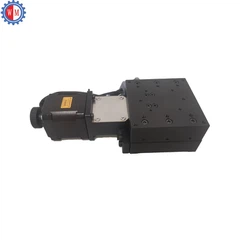
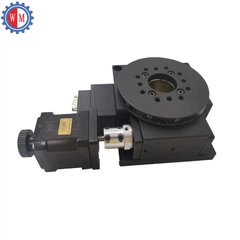
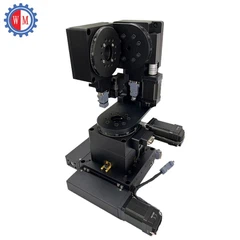
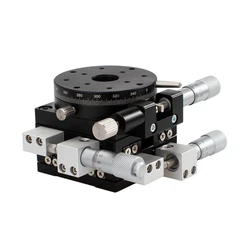
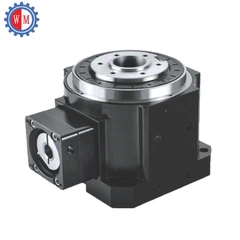


Hey there! As a supplier of Manual Goniometer Tables, I often get asked about how to adjust the angle on these nifty devices. So, I thought I'd put together this blog post to share some tips and tricks on the topic. Whether you're a newbie or a seasoned pro, there's something here for everyone.
First things first, let's talk about what a Manual Goniometer Table is. In a nutshell, it's a tool that allows you to precisely measure and adjust angles. It's commonly used in various fields, such as engineering, manufacturing, and research. These tables are great because they give you manual control over the angle adjustment, which can be super handy in situations where you need that extra level of precision.
Now, let's dive into the process of adjusting the angle on a Manual Goniometer Table.
Step 1: Familiarize Yourself with the Table
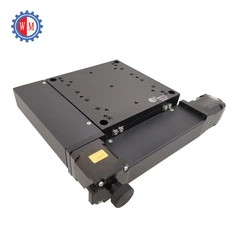
Before you start making any adjustments, it's crucial to get to know your Manual Goniometer Table. Take a good look at its components, including the base, the tilting mechanism, and the angle indicators. Each table might have a slightly different design, so it's essential to understand how yours works.
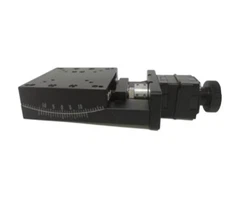
Most Manual Goniometer Tables have a graduated scale that shows the angle. This scale is usually marked in degrees, and it helps you determine the exact angle you're setting. Some tables also come with a vernier scale for even more accurate readings. Make sure you know how to read these scales correctly.
Step 2: Set Up the Table
Once you're familiar with the table, it's time to set it up properly. Place the table on a stable and flat surface. This is important because any unevenness in the surface can affect the accuracy of your angle adjustments. You might want to use a spirit level to ensure that the table is perfectly horizontal before you start.
Next, secure the object you want to measure or adjust on the table. You can use clamps or other fastening devices to hold the object in place. Make sure the object is centered and aligned with the table's axis. This will ensure that your angle measurements are accurate.
Step 3: Loosen the Locking Mechanism
Most Manual Goniometer Tables have a locking mechanism that keeps the table in place when you're not making adjustments. Before you start changing the angle, you'll need to loosen this mechanism. This could be a screw, a lever, or a knob, depending on the design of your table.
Be careful when loosening the locking mechanism. You don't want to loosen it too much, as this could cause the table to become unstable. Just loosen it enough to allow for smooth movement.
Step 4: Adjust the Angle
Now comes the fun part – adjusting the angle! There are usually two main ways to adjust the angle on a Manual Goniometer Table: using the tilting mechanism and using the fine adjustment screws.
The tilting mechanism is the primary way to change the angle. It could be a handwheel, a crank, or a similar device. Turn the tilting mechanism slowly in the direction you want to increase or decrease the angle. As you turn, keep an eye on the graduated scale to see the angle changing.
If you need to make very small adjustments, you can use the fine adjustment screws. These screws allow you to make precise changes to the angle. Turn the fine adjustment screws in small increments until you reach the desired angle.
It's a good idea to make small adjustments at a time and check the angle frequently. This will help you avoid overshooting the desired angle and having to start over.
Step 5: Lock the Table in Place
Once you've set the angle to your satisfaction, it's time to lock the table in place. Tighten the locking mechanism that you loosened earlier. Make sure it's secure, but don't overtighten it, as this could damage the table.
Check the angle one more time after locking the table to make sure it hasn't changed. If it has, you might need to make some minor adjustments and lock it again.
Step 6: Double - Check Your Work
After you've locked the table and set the angle, it's always a good idea to double - check your work. You can use a separate angle measuring tool, such as a protractor or an angle gauge, to verify the angle on the Manual Goniometer Table.
If there's a significant difference between the reading on the table and the reading on the other measuring tool, you might need to go back and adjust the angle again. This step helps ensure the accuracy of your work.
Additional Tips
- Keep the Table Clean: Dirt and debris can affect the performance of the Manual Goniometer Table. Regularly clean the table and its components to keep it in good working condition.
- Lubricate Moving Parts: Over time, the moving parts of the table can become dry and start to wear out. Use a suitable lubricant on the tilting mechanism and other moving parts to keep them moving smoothly.
- Calibrate Regularly: To ensure the accuracy of your Manual Goniometer Table, it's a good idea to calibrate it regularly. You can do this by comparing its readings with a known standard.
Related Products
If you're interested in exploring more options for Manual Goniometer Tables, we offer a range of products that might suit your needs. Check out our Pitch Yaw Roll Manual Tilt Stage and Manual Goniometer Stage. These products are designed with high - quality materials and precision engineering to provide accurate angle adjustments.
Conclusion
Adjusting the angle on a Manual Goniometer Table might seem a bit daunting at first, but with a little practice and the right approach, it can be a straightforward process. Remember to familiarize yourself with the table, set it up properly, make small adjustments, and double - check your work.
If you have any questions about our Manual Goniometer Tables or need more information on angle adjustment, don't hesitate to reach out. We're here to help you with all your angle - measuring and adjusting needs. Whether you're a small - scale hobbyist or a large - scale industrial user, we have the products and expertise to meet your requirements. Contact us today to start a procurement discussion and find the perfect Manual Goniometer Table for your needs.


References
- Handbook of Mechanical Engineering Measurements
- Precision Instrumentation and Measurement Techniques


