
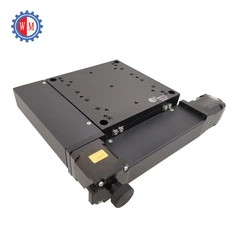
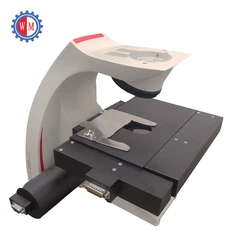
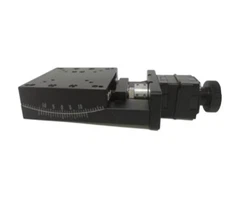
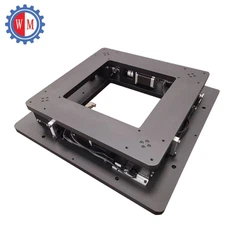
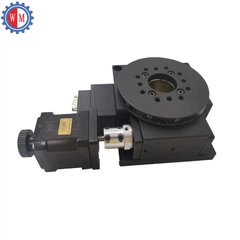
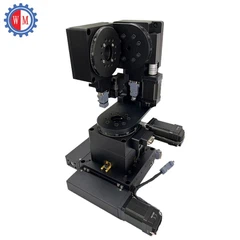
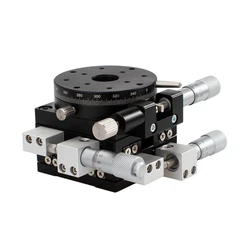
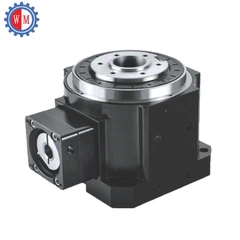


Cell culture is a fundamental technique in biological and medical research, enabling the study of cell behavior, function, and responses under controlled conditions. In the pursuit of precise and reproducible cell culture experiments, the choice of equipment plays a crucial role. One such piece of equipment that has gained attention is the motorized lab jack. In this blog post, we will explore whether a motorized lab jack can be used for cell culture applications, considering its features, advantages, and potential limitations.
Understanding Motorized Lab Jacks
A motorized lab jack is a device designed to provide controlled vertical movement. It typically consists of a base, a platform that can be raised or lowered, and a motorized drive system. The motorized drive allows for precise and automated adjustment of the platform's height, which can be beneficial in various laboratory settings.
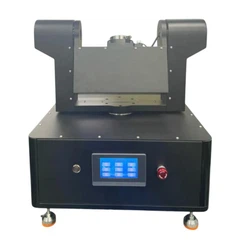
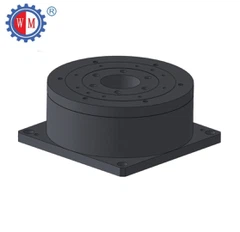
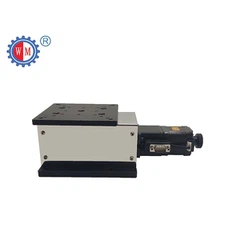
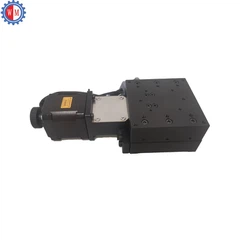
There are different types of motorized lab jacks available in the market, each with its own set of features and specifications. For instance, the High Precision Motorized Z Axis Stage is known for its high level of accuracy, making it suitable for applications that require fine adjustments. The Motor Z Translation Stage offers smooth and stable movement, while the Motorized Lift Stage provides a larger load capacity, which can be useful when handling multiple cell culture vessels or heavy equipment.
Advantages of Using a Motorized Lab Jack in Cell Culture
Precise Height Adjustment
One of the key advantages of a motorized lab jack in cell culture is the ability to achieve precise height adjustments. In cell culture, the distance between the cell culture vessel and other equipment, such as microscopes or incubators, can significantly affect the experimental results. For example, when using a microscope to observe cells in culture, the focal length needs to be accurately adjusted to obtain clear images. A motorized lab jack allows for fine-tuning of the height, ensuring that the cells are in the optimal position for observation. This precision can lead to more accurate data collection and analysis, ultimately improving the quality of the research.
Automation and Reproducibility
Automation is another significant benefit of using a motorized lab jack in cell culture. Manual adjustment of the height can be time-consuming and prone to human error. With a motorized lab jack, the height adjustments can be programmed and repeated with high precision. This is particularly important in experiments that require multiple replicates or long-term monitoring. By automating the height adjustment process, researchers can ensure that each replicate is performed under the same conditions, reducing variability and improving the reproducibility of the results.
Compatibility with Other Equipment
Motorized lab jacks are often designed to be compatible with a wide range of laboratory equipment. They can be easily integrated with microscopes, incubators, and other cell culture systems. This compatibility allows for seamless operation and enhances the functionality of the overall cell culture setup. For example, a motorized lab jack can be used to adjust the height of a cell culture vessel inside an incubator, ensuring that the cells are maintained at the optimal temperature and humidity levels throughout the experiment.


Potential Limitations and Considerations
Contamination Risk
One of the potential limitations of using a motorized lab jack in cell culture is the risk of contamination. Cell culture requires a sterile environment to prevent the growth of unwanted microorganisms. The moving parts of a motorized lab jack, such as the motor and the drive mechanism, can generate dust or debris, which may contaminate the cell culture. To minimize this risk, it is important to choose a motorized lab jack that is designed with a sealed or enclosed structure. Additionally, regular cleaning and maintenance of the lab jack are essential to ensure a sterile environment.
Cost
Motorized lab jacks can be more expensive than their manual counterparts. The cost of a motorized lab jack includes not only the initial purchase price but also the cost of maintenance and operation. For some research laboratories with limited budgets, the high cost of a motorized lab jack may be a deterrent. However, it is important to consider the long-term benefits of using a motorized lab jack, such as improved precision and reproducibility, which can ultimately lead to more successful research outcomes.
Space Requirements
Motorized lab jacks typically require more space than manual lab jacks due to the presence of the motor and the control system. In a crowded cell culture laboratory, finding enough space to accommodate a motorized lab jack can be a challenge. It is important to carefully consider the available space and the layout of the laboratory before purchasing a motorized lab jack.
Conclusion
In conclusion, a motorized lab jack can be a valuable tool for cell culture applications. Its ability to provide precise height adjustment, automation, and compatibility with other equipment makes it suitable for a wide range of cell culture experiments. However, it is important to be aware of the potential limitations, such as the risk of contamination, cost, and space requirements. By carefully considering these factors and choosing the right motorized lab jack for the specific application, researchers can enhance the quality and efficiency of their cell culture research.
If you are interested in learning more about our motorized lab jacks or would like to discuss your specific cell culture needs, we encourage you to reach out to us. Our team of experts is ready to assist you in finding the best solution for your laboratory.
References
- Alberts, B., Johnson, A., Lewis, J., Raff, M., Roberts, K., & Walter, P. (2002). Molecular Biology of the Cell. Garland Science.
- Freshney, R. I. (2010). Culture of Animal Cells: A Manual of Basic Technique and Specialized Applications. Wiley-Blackwell.
- Pollard, T. D., & Earnshaw, W. C. (2004). Cell Biology. Saunders.


