

Yo, what's up everyone! As a supplier of 3 Axis Motorized Gimbals, I've been getting a ton of questions about the stability of these bad boys during long - term use. So, I thought I'd sit down and write this blog to share some insights and experiences.
First off, let's talk about what a 3 Axis Motorized Gimbal is. It's a device that allows for precise movement in three axes: yaw, pitch, and roll. These gimbals are used in a wide range of applications, from photography and videography to industrial automation. They're super handy because they can keep your camera or other equipment steady, even when there's movement or vibration.
Now, when it comes to long - term use, stability is key. You don't want your gimbal to start acting up after a few hours or days of use. So, what factors affect the stability of a 3 Axis Motorized Gimbal over time?
1. Build Quality
The build quality of the gimbal plays a huge role in its long - term stability. A well - built gimbal is made of high - quality materials that can withstand wear and tear. For example, the frame should be strong and rigid, usually made of aluminum or carbon fiber. These materials are lightweight yet durable, which is great for both portability and long - term use.
The motors are another crucial part of the gimbal. High - quality motors are designed to run smoothly and consistently for long periods. They have better heat dissipation, which means they won't overheat easily. Overheating can cause the motors to lose power and affect the overall stability of the gimbal.
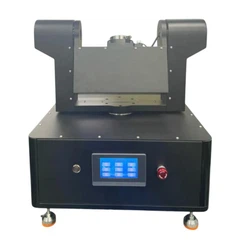
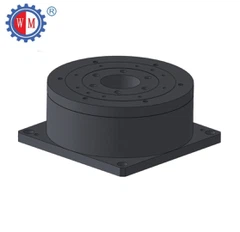
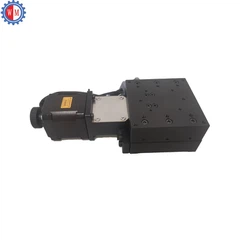
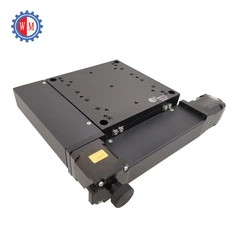
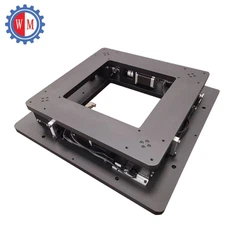
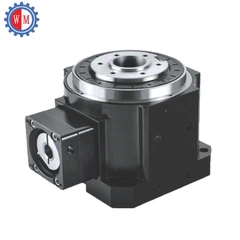
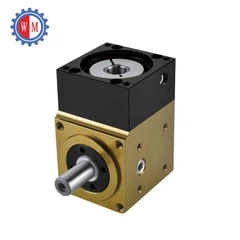
At our company, we make sure that all our gimbals, like the Heavy Load Motorized Yaw Pitch Roll Stages, are built with top - notch materials and high - performance motors. This ensures that they can maintain their stability even under heavy use.
2. Calibration
Proper calibration is essential for the stability of a 3 Axis Motorized Gimbal. When you first get a gimbal, you need to calibrate it to make sure that all the axes are working correctly. This involves setting the zero points and adjusting the sensitivity of the motors.
Over time, the calibration may need to be adjusted. This can happen due to changes in temperature, humidity, or simply normal wear and tear. If the gimbal is not calibrated correctly, it may start to drift or vibrate, which can affect the stability of the equipment it's holding.
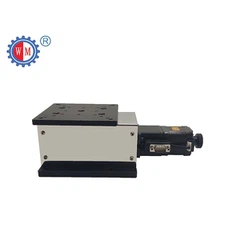
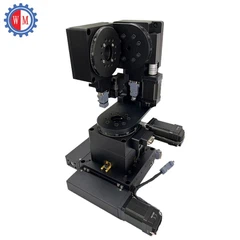
We provide detailed calibration instructions with all our products, including the Motorized 3 Axis Gimbal Stage. And if you ever have any problems with calibration, our customer support team is always ready to help.
3. Load Capacity
The load capacity of the gimbal is also an important factor. If you try to put too heavy a load on the gimbal, it can strain the motors and affect its stability. Each gimbal has a specific load capacity, and you should always stay within this limit.
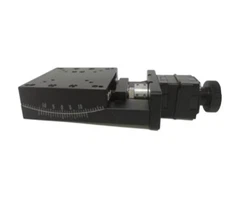
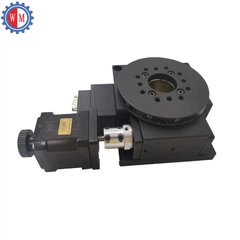
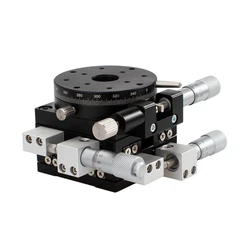
For example, our Mini Pitch Roll Yaw Motor Gimbal Stage is designed for lighter loads. If you need to carry a heavier camera or other equipment, you might want to consider our heavy - load models.
4. Environmental Conditions
The environment in which the gimbal is used can have a big impact on its long - term stability. Extreme temperatures, high humidity, and dusty conditions can all cause problems.
In hot temperatures, the motors may overheat more easily, and the materials may expand, which can affect the alignment of the axes. In cold temperatures, the lubricants in the motors may thicken, causing the motors to run less smoothly.
High humidity can cause corrosion of the metal parts, and dust can get into the motors and other moving parts, causing friction and wear. To ensure the stability of the gimbal in different environments, you may need to take some precautions, like using protective covers or storing the gimbal in a dry, cool place when not in use.
5. Maintenance
Regular maintenance is crucial for the long - term stability of a 3 Axis Motorized Gimbal. This includes cleaning the gimbal, checking the connections, and lubricating the moving parts if necessary.
Cleaning the gimbal helps to remove dust and debris that can accumulate over time. You should use a soft, dry cloth to wipe the surfaces. Checking the connections ensures that all the wires and cables are secure and that there are no loose connections that could cause electrical problems.
Lubricating the moving parts can help to reduce friction and wear, which can improve the overall performance and stability of the gimbal. However, you need to use the right type of lubricant and apply it carefully.
Testing the Stability
We test all our gimbals thoroughly before they leave the factory. We use a variety of tests to simulate long - term use and different environmental conditions. This includes running the gimbals for extended periods, subjecting them to temperature and humidity changes, and testing them with different loads.
By doing these tests, we can ensure that our gimbals meet the highest standards of stability and performance. We also offer a warranty on all our products, so you can have peace of mind knowing that you're covered if there are any problems.


Why Choose Our 3 Axis Motorized Gimbals?
We're not just another gimbal supplier. We're passionate about providing high - quality products that offer excellent stability during long - term use. Our gimbals are designed with the latest technology and built with the best materials.
We have a wide range of gimbals to choose from, whether you need a heavy - load gimbal for industrial applications or a mini gimbal for photography. And our customer support team is always available to answer your questions and help you with any issues you may have.
If you're in the market for a 3 Axis Motorized Gimbal, I highly recommend checking out our products. Whether you're a professional photographer, a videographer, or someone working in an industrial setting, we have a gimbal that will meet your needs.
If you're interested in learning more about our products or have any questions about the stability of our 3 Axis Motorized Gimbals, feel free to reach out. We're always happy to have a chat and discuss your requirements. You can start a conversation with us, and we'll guide you through the process of finding the perfect gimbal for you. We're eager to work with you and help you get the most out of your gimbal.
References
- Engineering textbooks on mechanical design and motor control
- Industry reports on the performance and reliability of motorized gimbals
- In - house testing data and research on 3 Axis Motorized Gimbals


