

Hey there! As a supplier of Manual X - Axis Stages, I often get asked whether these stages are suitable for small - scale production. Well, let's dive right into it and explore this topic in detail.
What are Manual X - Axis Stages?
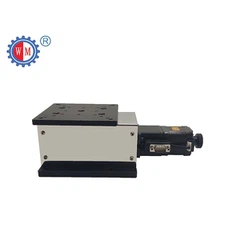
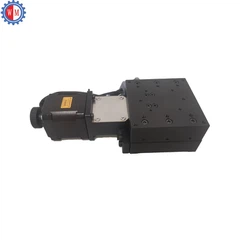
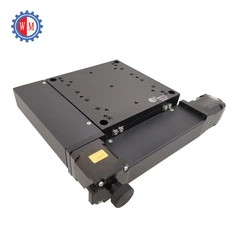
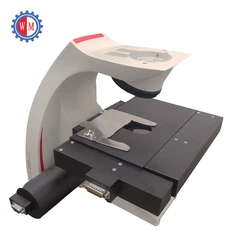
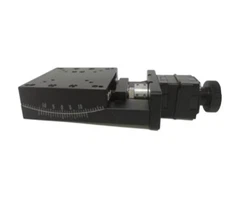
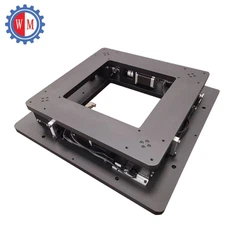
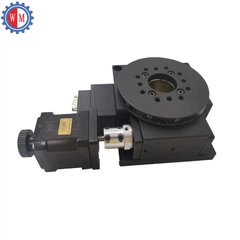
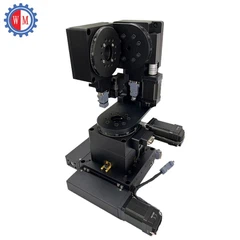
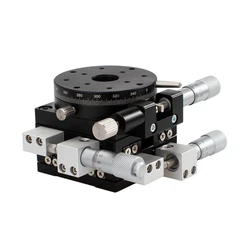
First off, let's quickly go over what Manual X - Axis Stages are. These are mechanical devices that allow for precise movement along the X - axis. They're manually operated, which means you use a handwheel or some other manual control to adjust the position of the stage. There are different types available on the market. For instance, the Manual X Axis Adjustable Stage is great for general - purpose applications where you need to make adjustable movements. The Manual Micro X Axis Stage is designed for more precise, micro - level adjustments, and the Manual Linear Positioning Stage provides linear movement along the X - axis.
Advantages of Manual X - Axis Stages for Small - Scale Production
Cost - Effectiveness
One of the biggest advantages of using Manual X - Axis Stages in small - scale production is cost. When you're running a small - scale operation, you're probably on a tight budget. Manual stages are generally much cheaper than their automated counterparts. You don't have to invest in expensive motors, controllers, and software. This cost - savings can be a game - changer for small businesses. You can use the money you save on other important aspects of your production, like raw materials or marketing.
Ease of Use
Manual X - Axis Stages are incredibly easy to use. You don't need to be a technical expert to operate them. All you need to do is turn a handwheel or use a simple manual control mechanism to move the stage to the desired position. This simplicity means that you can train your employees quickly and easily. There's no need for long - term training programs or hiring specialized technicians. In a small - scale production setting, where you might not have a large workforce with diverse skills, this ease of use is a huge plus.
Flexibility
These stages offer a high degree of flexibility. You can make adjustments on the fly, depending on the requirements of each production run. If you need to change the position of a component or adjust the alignment, you can do it manually without having to reprogram a complex automated system. This flexibility is especially useful in small - scale production, where you might be producing a variety of different products or making custom - made items.


Low Maintenance
Manual X - Axis Stages have fewer components compared to automated stages. This means there are fewer things that can go wrong. They don't have motors that can burn out or complex electronics that can malfunction. As a result, maintenance is relatively simple and inexpensive. You can perform basic maintenance tasks in - house, which saves you both time and money.
Limitations of Manual X - Axis Stages for Small - Scale Production
Speed
One of the main limitations of Manual X - Axis Stages is speed. Since they're manually operated, the movement speed is limited by the operator's physical ability. In a high - volume production environment, this could be a major drawback. However, in small - scale production, where you're not aiming for extremely high production rates, speed might not be as critical. You can still meet your production targets, but it might take a bit longer compared to using automated stages.
Precision in High - Volume Production
While Manual X - Axis Stages can provide a certain level of precision, they might not be as accurate as automated stages in high - volume production. Over time, human error can creep in, and the accuracy of the movements might decrease. But in small - scale production, where you're producing a limited number of items, this might not be a deal - breaker. You can take extra time to ensure that each movement is as precise as possible.
Repetitive Tasks
For repetitive tasks, manual operation can be tiring for the operator. This can lead to fatigue, which in turn can affect the quality of the production. In small - scale production, if you have a lot of repetitive tasks, you might need to rotate operators or provide breaks to prevent fatigue.
Case Studies
Let's look at a couple of case studies to see how Manual X - Axis Stages have been used in small - scale production.
Case Study 1: A Jewelry Making Workshop
A small jewelry making workshop was looking for a cost - effective way to position gemstones during the setting process. They decided to use a Manual Micro X Axis Stage. The ease of use allowed their jewelry makers to quickly learn how to operate the stage. They were able to make precise adjustments to position the gemstones accurately, which improved the quality of their jewelry. The low cost of the stage meant that they could invest more in high - quality gemstones. And since they were producing a relatively small number of pieces, the slower speed was not an issue.
Case Study 2: A Custom - Made Electronics Manufacturer
A custom - made electronics manufacturer needed to assemble small circuit boards. They used a Manual Linear Positioning Stage to position components on the circuit boards. The flexibility of the stage allowed them to make adjustments for each custom order. They could easily change the position of the components based on the specific design requirements. The low maintenance of the stage saved them money in the long run, and the ease of use meant that their employees could focus on the actual assembly process rather than dealing with complex equipment.
Conclusion
So, are Manual X - Axis Stages suitable for small - scale production? In most cases, the answer is yes. The cost - effectiveness, ease of use, flexibility, and low maintenance make them a great choice for small businesses. While they do have some limitations, such as speed and precision in high - volume production, these limitations are often not significant in a small - scale production setting.
If you're running a small - scale production business and are looking for a reliable and cost - effective solution for positioning and alignment, Manual X - Axis Stages could be the answer. We, as a supplier, are here to help you choose the right stage for your specific needs. Whether you need a Manual X Axis Adjustable Stage, a Manual Micro X Axis Stage, or a Manual Linear Positioning Stage, we've got you covered.
If you're interested in learning more about our Manual X - Axis Stages or would like to discuss your specific production requirements, please feel free to reach out. We're more than happy to have a chat and help you find the perfect solution for your business.
References
- "Mechanical Positioning Systems Handbook" - This handbook provides in - depth information about different types of positioning stages, including Manual X - Axis Stages.
- Industry reports on small - scale manufacturing, which highlight the importance of cost - effective and flexible equipment in this sector.


