

Hey there! As a supplier of Integrated Motor Drives, I often get asked about the maintenance cycle of these nifty devices. So, I thought I'd sit down and share some insights on this topic.
First off, let's understand what an Integrated Motor Drive is. In simple terms, it's a combination of a motor and a drive system in one compact unit. This integration offers a bunch of benefits like space savings, reduced wiring, and improved efficiency. But like any piece of equipment, it needs proper maintenance to keep running smoothly.
The maintenance cycle of an Integrated Motor Drive isn't set in stone. It can vary depending on several factors. One of the key factors is the operating environment. If the drive is used in a harsh environment with a lot of dust, moisture, or extreme temperatures, it'll likely need more frequent maintenance. For example, in a factory where there's a lot of sawdust or metal shavings in the air, these particles can get into the drive and cause damage over time. So, in such cases, you might want to do a visual inspection every few months to check for any signs of debris buildup.
Another factor that affects the maintenance cycle is the usage pattern. If the drive is running continuously at full load, it'll experience more wear and tear compared to one that's used intermittently or at a lower load. For drives that are in constant use, it's a good idea to perform regular checks on the electrical connections. Loose connections can lead to overheating and even cause the drive to fail. A quarterly check of the connections can help catch any issues early on.
Now, let's talk about the specific maintenance tasks and how often they should be done.
Visual Inspections
Visual inspections are the simplest and most basic form of maintenance. You can do these yourself without any special tools. Every 3 - 6 months, take a look at the drive for any visible signs of damage, such as cracks in the housing, loose wires, or signs of overheating (like discoloration). If you notice any of these issues, it's time to dig deeper and figure out what's going on.
Cleaning
Cleaning is crucial, especially if the drive is in a dirty environment. Dust and debris can accumulate on the cooling fins and other components, reducing the drive's ability to dissipate heat. A good rule of thumb is to clean the drive every 6 - 12 months. You can use a soft brush or compressed air to gently remove the dust. Just make sure you're not blowing the dust further into the drive.
Electrical Checks
Electrical checks are a bit more technical and might require some basic electrical knowledge or the help of a professional. At least once a year, you should measure the voltage and current levels to make sure they're within the specified range. You can also check the insulation resistance to ensure that there are no electrical shorts. If you're not comfortable doing these checks yourself, it's worth hiring a qualified technician.
Software Updates
Many modern Integrated Motor Drives come with software that can be updated. These updates can improve the drive's performance, add new features, or fix bugs. Check with the manufacturer regularly (usually once a year) to see if there are any available updates for your drive. Installing these updates can help keep your drive running at its best.
Component Replacement
Over time, certain components in the drive may wear out and need to be replaced. For example, capacitors can degrade over time and lose their ability to store charge. Depending on the usage and the quality of the components, capacitors might need to be replaced every 3 - 5 years. Other components like fans or relays might also need to be replaced if they start to malfunction.
Now, I want to mention a couple of our great products that are part of our Integrated Motor Drive lineup. We have the Programmable Modbus RS485 Motor Drive. This drive offers a high level of programmability, allowing you to customize its operation to suit your specific needs. It's also equipped with advanced communication features through the Modbus RS485 protocol, which makes it easy to integrate into your existing control system.
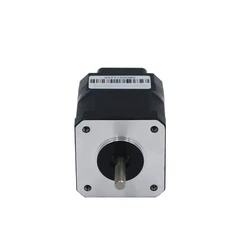
Another product is the Modbus RS485 Stepper Driver for Nema 23. This driver is specifically designed for Nema 23 stepper motors and provides precise control. It's a great choice for applications that require accurate positioning, such as 3D printers or CNC machines.
If you're in the market for an Integrated Motor Drive or have any questions about maintenance, we're here to help. Our team of experts can provide you with more detailed information and guidance on the best maintenance practices for your specific application. Whether you're a small business owner looking for a reliable drive for your machinery or a large industrial facility in need of multiple drives, we've got you covered.
Don't hesitate to reach out to us if you're interested in purchasing an Integrated Motor Drive or if you want to discuss your maintenance requirements further. We're always happy to have a chat and find the best solution for you.


References
- General knowledge from years of experience in the Integrated Motor Drive industry.
- Manufacturer's manuals and technical documentation for our Programmable Modbus RS485 Motor Drive and Modbus RS485 Stepper Driver for Nema 23.


