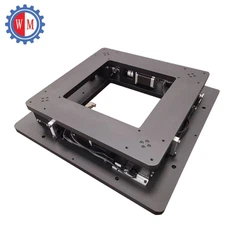
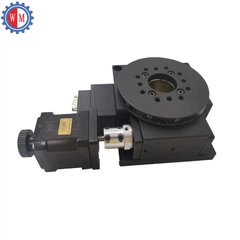
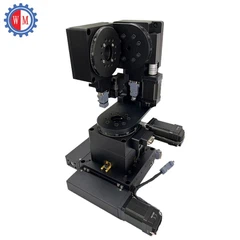
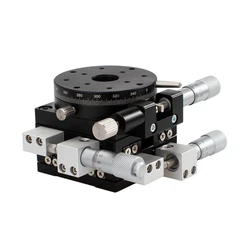


As a supplier of Manual XY - Axis Stages, I often get asked whether these stages are easy to disassemble and assemble. Well, let's dive right into it and break it down for you.


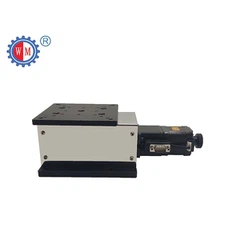
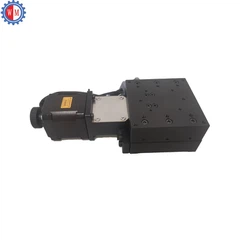
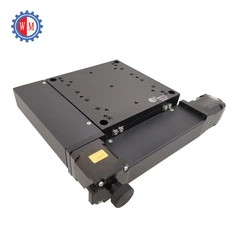
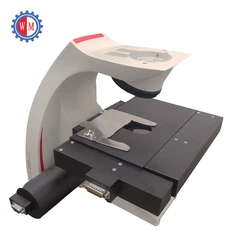
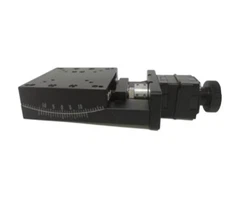
First off, what are Manual XY - Axis Stages? They are precision mechanical devices that allow for movement in the X and Y directions. They're used in a whole bunch of industries, like microscopy, photonics, and semiconductor testing. You can find different types of these stages on our website, such as the Manual Screw - Driven XY Translation Stage, Manual Linear Positioning Slide, and Manual Optical Alignment Stage.
Now, let's talk about disassembly. In general, Manual XY - Axis Stages are designed with disassembly in mind. Most of them have a modular structure. This means that different parts are made to fit together in a specific way, and they can be taken apart relatively easily. For example, the base plate and the moving platform are usually connected by a set of screws or bolts. With the right tools, like a screwdriver or a wrench, you can loosen these fasteners and separate the parts.
One of the advantages of a modular design is that it makes maintenance and repair a lot easier. If a particular component, like a screw or a bearing, gets damaged, you can simply disassemble the stage, replace the faulty part, and then put it back together. This saves a ton of time and money compared to having to replace the entire stage.
However, it's not all sunshine and rainbows. Some Manual XY - Axis Stages have very precise components, especially those used in high - end applications. These components need to be handled with extreme care during disassembly. For instance, the linear guides in a stage are often pre - calibrated to ensure smooth and accurate movement. If you're not careful when taking them apart, you might accidentally damage the guides or misalign them, which can affect the performance of the stage.
Another thing to keep in mind is the number of parts. Some stages can have a lot of small parts, like washers, nuts, and pins. When you're disassembling the stage, it's a good idea to keep these parts organized. You can use small containers or trays to separate different types of parts. Otherwise, you might end up losing some of them, which can make reassembly a real headache.
Let's move on to assembly. If you've disassembled the stage properly and kept all the parts organized, assembly should be a breeze. You just need to follow the reverse process of disassembly. Start by attaching the base plate to the surface where you want to mount the stage. Make sure it's level and secure.
Then, put the linear guides or any other guiding components in place. Double - check that they are aligned correctly. You might need to use some measuring tools, like a ruler or a caliper, to ensure proper alignment. Once the guides are in position, you can install the moving platform. Attach it to the guides using the appropriate fasteners, and make sure they are tightened to the correct torque.
After that, you can install any other components, like the screw - drive mechanism or the adjustment knobs. These parts usually have clear markings or instructions on how to install them. Just make sure you follow these instructions carefully.
One tip during assembly is to lubricate the moving parts. This can help reduce friction and ensure smooth operation of the stage. Use a lubricant that is recommended for the specific materials and components of the stage.
In some cases, you might need to make some final adjustments after assembly. This could involve adjusting the pre - load of the bearings or fine - tuning the alignment of the moving platform. These adjustments are usually straightforward, but they do require a bit of patience and attention to detail.
Overall, if you have some basic mechanical skills and follow the instructions, Manual XY - Axis Stages are not too difficult to disassemble and assemble. But it's always important to take your time and be careful, especially with high - precision stages.
If you're in the market for Manual XY - Axis Stages, whether you need to disassemble and assemble them for maintenance or for a new setup, we're here to help. We offer a wide range of high - quality stages, and our team is always available to provide support and advice. Don't hesitate to reach out if you have any questions or if you're interested in purchasing. We're eager to have a conversation with you about your requirements and how our products can meet them.
References
- General knowledge in the field of precision mechanical devices.
- Experience from providing Manual XY - Axis Stages to various customers.


