
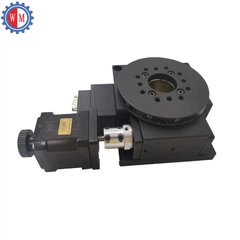
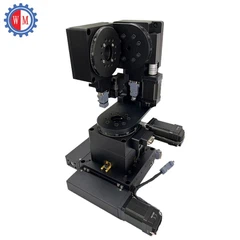
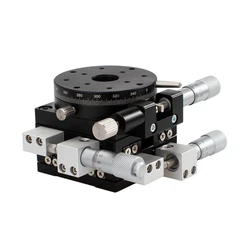
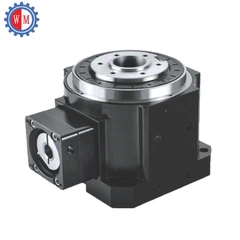


As a supplier of right angle reducers, I often get asked about the concept of dynamic balance in these crucial mechanical components. In this blog post, I'll delve into what dynamic balance means for a right angle reducer, why it's important, and how it impacts the overall performance of the equipment.
Understanding the Basics of a Right Angle Reducer
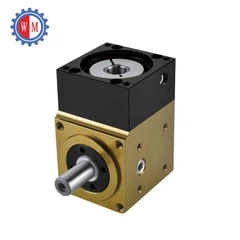
Before we jump into dynamic balance, let's briefly recap what a right angle reducer is. A right angle reducer is a type of gearbox that changes the direction of the input shaft by 90 degrees. It is commonly used in various industrial applications, such as conveyor systems, packaging machinery, and automation equipment. The primary function of a right angle reducer is to reduce the speed of the input shaft while increasing the torque output. This is achieved through a set of gears, which can be either helical, bevel, or worm gears, depending on the specific design and requirements of the application.
What is Dynamic Balance?
Dynamic balance refers to the state in which the rotating parts of a machine, such as the gears and shafts in a right angle reducer, are balanced both statically and dynamically. Static balance means that the center of gravity of the rotating part is located on the axis of rotation, so there is no tendency for the part to rotate due to gravity when it is at rest. Dynamic balance, on the other hand, takes into account the forces that act on the rotating part when it is in motion.
In a right angle reducer, dynamic balance is crucial because the rotating parts are subject to high speeds and forces. If the rotating parts are not dynamically balanced, they can cause vibrations, noise, and premature wear and tear on the bearings and other components. These issues can lead to reduced efficiency, increased maintenance costs, and even equipment failure.
The Importance of Dynamic Balance in a Right Angle Reducer
- Reduced Vibrations and Noise: When a right angle reducer is dynamically balanced, the vibrations and noise generated during operation are significantly reduced. This is important for several reasons. First, excessive vibrations can cause damage to the surrounding equipment and structures. Second, high levels of noise can be a safety hazard for workers and can also violate environmental regulations. By ensuring dynamic balance, we can create a more comfortable and safe working environment.
- Improved Efficiency: A dynamically balanced right angle reducer operates more efficiently because it experiences less friction and wear. When the rotating parts are balanced, the energy transfer between the input and output shafts is more efficient, resulting in less power loss. This means that the reducer can deliver more torque with less energy consumption, which is beneficial for both the environment and the bottom line.
- Extended Component Life: Dynamic balance helps to extend the life of the components in a right angle reducer. When the rotating parts are balanced, the forces acting on the bearings and other components are evenly distributed, reducing the stress and wear on these parts. This can significantly increase the lifespan of the reducer and reduce the need for frequent maintenance and replacement.
- Enhanced Performance: A dynamically balanced right angle reducer provides more consistent and reliable performance. The reduced vibrations and noise ensure that the output speed and torque are stable, which is essential for applications that require precise control and accuracy. This can improve the overall quality and productivity of the equipment.
Achieving Dynamic Balance in a Right Angle Reducer
Achieving dynamic balance in a right angle reducer involves several steps. First, the individual components, such as the gears and shafts, are carefully machined and inspected to ensure that they meet the required tolerances. This helps to minimize any inherent imbalances in the parts.
Next, the components are assembled in a precise manner to ensure that they are properly aligned and centered. This is important because even a small misalignment can cause significant imbalances in the rotating parts.


Once the reducer is assembled, it undergoes a dynamic balancing process. This typically involves using a balancing machine to measure the imbalances in the rotating parts and then adding or removing small amounts of material to correct these imbalances. The balancing process is repeated until the required level of balance is achieved.
Types of Right Angle Reducers and Their Dynamic Balance Requirements
There are several types of right angle reducers available on the market, each with its own unique design and dynamic balance requirements.
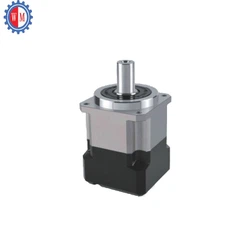
- Gear Head Speed Reducer: A Gear Head Speed Reducer is a common type of right angle reducer that uses a set of gears to reduce the speed of the input shaft. These reducers typically have high precision gears that require careful balancing to ensure smooth operation. The dynamic balance requirements for a gear head speed reducer depend on the size, speed, and torque of the application.
- Hollow Solid Shaft Right Angle Reducer: A Hollow Solid Shaft Right Angle Reducer is another type of right angle reducer that is designed to accommodate a hollow or solid shaft. These reducers are often used in applications where space is limited or where the shaft needs to pass through the reducer. The dynamic balance requirements for a hollow solid shaft right angle reducer are similar to those of a gear head speed reducer, but they may also be affected by the design of the shaft and the way it is connected to the reducer.
Conclusion
In conclusion, dynamic balance is a critical factor in the performance and reliability of a right angle reducer. By ensuring that the rotating parts are dynamically balanced, we can reduce vibrations and noise, improve efficiency, extend the life of the components, and enhance the overall performance of the equipment.
As a supplier of right angle reducers, we understand the importance of dynamic balance and take every measure to ensure that our products meet the highest standards of quality and performance. If you are in the market for a right angle reducer or have any questions about dynamic balance, please don't hesitate to contact us. We would be happy to discuss your specific requirements and provide you with the best solution for your application.
References
- Machinery's Handbook, 31st Edition
- Gear Design and Application, Second Edition by Dudley, Darle W.
- Handbook of Rotating Machinery Dynamics by Nicholas, John
- Mechanical Engineering Design, Eighth Edition by Shigley, Joseph E.


