

What is the calibration frequency of an Integrated Servo Motor?
As a supplier of Integrated Servo Motors, I often encounter questions from customers regarding the calibration frequency of these sophisticated devices. In this blog post, I aim to shed light on this crucial topic and provide you with a comprehensive understanding of the factors that influence the calibration frequency of an Integrated Servo Motor.
Understanding Integrated Servo Motors
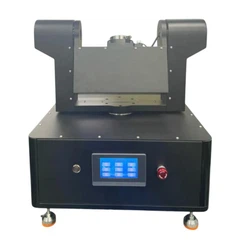
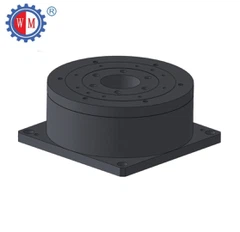
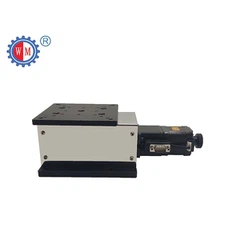
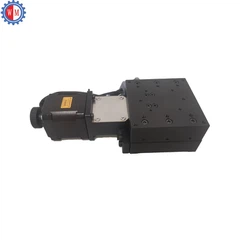
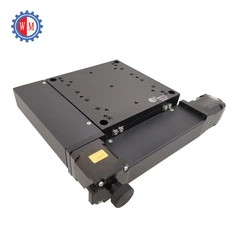
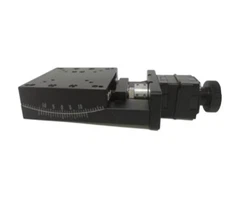
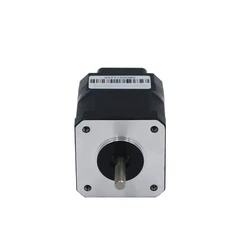
Before delving into the calibration frequency, it's essential to have a clear understanding of what an Integrated Servo Motor is. An Integrated Servo Motor combines a servo motor, a drive, and a controller into a single compact unit. This integration offers several advantages, including reduced wiring, simplified installation, and improved performance. These motors are widely used in various industries, such as robotics, automation, and manufacturing, where precise motion control is required.
The Importance of Calibration
Calibration is a critical process that ensures the accurate and reliable operation of an Integrated Servo Motor. During calibration, the motor's parameters are adjusted to match the specific requirements of the application. This includes setting the correct position, velocity, and torque values to achieve the desired level of performance. Calibration also helps to compensate for any mechanical or electrical variations that may occur over time, ensuring that the motor continues to operate within its specified tolerances.
Factors Affecting Calibration Frequency
The calibration frequency of an Integrated Servo Motor depends on several factors, including the application, the operating environment, and the motor's usage. Let's take a closer look at each of these factors:
Application Requirements
The nature of the application plays a significant role in determining the calibration frequency of an Integrated Servo Motor. Applications that require high precision and accuracy, such as semiconductor manufacturing and medical equipment, may require more frequent calibration to maintain the desired level of performance. On the other hand, applications with less stringent requirements, such as simple conveyor systems, may have a lower calibration frequency.
Operating Environment
The operating environment can also have a significant impact on the calibration frequency of an Integrated Servo Motor. Harsh environments, such as those with high temperatures, humidity, or dust, can cause the motor's components to degrade over time, leading to a loss of accuracy. In such cases, more frequent calibration may be necessary to ensure the motor's continued performance.
Motor Usage
The frequency and intensity of the motor's usage can also affect the calibration frequency. Motors that are used continuously or under heavy loads may experience more wear and tear, which can lead to a need for more frequent calibration. Conversely, motors that are used intermittently or under light loads may require less frequent calibration.
Recommended Calibration Frequencies
While the calibration frequency of an Integrated Servo Motor can vary depending on the factors mentioned above, there are some general guidelines that can be followed. As a rule of thumb, it is recommended to calibrate the motor at least once a year or after every 2,000 to 3,000 operating hours. However, for applications with high precision requirements or harsh operating environments, more frequent calibration may be necessary.
It's important to note that these are just general recommendations, and the actual calibration frequency may need to be adjusted based on the specific circumstances of your application. It's always a good idea to consult with the motor manufacturer or a qualified technician to determine the most appropriate calibration frequency for your motor.
The Calibration Process
The calibration process for an Integrated Servo Motor typically involves several steps, including:
Initial Setup
The first step in the calibration process is to ensure that the motor is properly installed and connected to the controller. This includes checking the wiring, verifying the power supply, and configuring the motor's parameters.
Position Calibration
Once the motor is set up, the next step is to calibrate the position. This involves moving the motor to a known position and adjusting the encoder settings to ensure that the motor's position is accurately reported.
Velocity and Torque Calibration
After the position calibration is complete, the velocity and torque of the motor are calibrated. This involves adjusting the motor's control parameters to ensure that it can achieve the desired velocity and torque levels.
Final Verification
Once the calibration process is complete, the motor's performance is verified to ensure that it meets the specified requirements. This may involve running a series of tests or monitoring the motor's operation over a period of time.


Benefits of Regular Calibration
Regular calibration of an Integrated Servo Motor offers several benefits, including:
Improved Performance
Calibration ensures that the motor operates at its optimal performance level, resulting in improved accuracy, precision, and repeatability. This can lead to better product quality and increased productivity.
Extended Motor Life
By compensating for any mechanical or electrical variations, calibration helps to reduce the wear and tear on the motor's components, extending its lifespan and reducing the need for costly repairs or replacements.
Reduced Downtime
Regular calibration helps to identify and address any potential issues before they become major problems, reducing the risk of unexpected downtime and minimizing the impact on your production schedule.
Conclusion
In conclusion, the calibration frequency of an Integrated Servo Motor depends on several factors, including the application, the operating environment, and the motor's usage. While there are some general guidelines that can be followed, it's important to consult with the motor manufacturer or a qualified technician to determine the most appropriate calibration frequency for your motor.
Regular calibration of an Integrated Servo Motor is essential for ensuring its accurate and reliable operation. By following the recommended calibration frequency and performing the calibration process correctly, you can improve the performance of your motor, extend its lifespan, and reduce the risk of unexpected downtime.
If you're in the market for an Integrated Servo Motor and Drive Kit or have any questions about calibration or other aspects of our products, please don't hesitate to contact us. We're here to help you find the right solution for your application and ensure that you get the most out of your investment.
References
- "Servo Motor Handbook" by Peter Nachtwey
- "Motion Control Handbook" by Michael J. Mendenhall
- Manufacturer's documentation for Integrated Servo Motors


