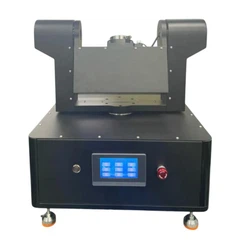
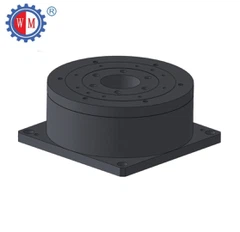
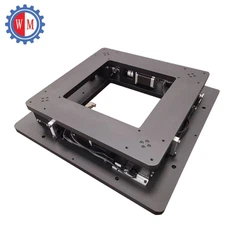
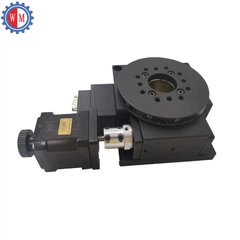
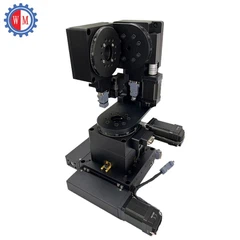
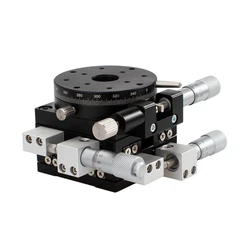


Adjusting the torque of a motorized rotary table is a crucial task that can significantly impact its performance and the quality of work it accomplishes. As a supplier of Motorized Rotary Tables, I've witnessed firsthand the importance of getting this adjustment right. In this blog, I'll share some valuable insights on how to adjust the torque of a motorized rotary table effectively.
Understanding Torque in Motorized Rotary Tables
Before delving into the adjustment process, it's essential to understand what torque is and why it matters in a motorized rotary table. Torque, in simple terms, is the rotational force that causes an object to rotate around an axis. In the context of a motorized rotary table, torque determines the table's ability to rotate heavy loads smoothly and accurately.
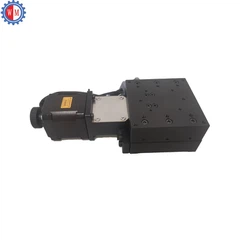
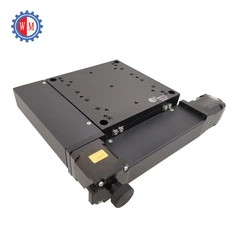
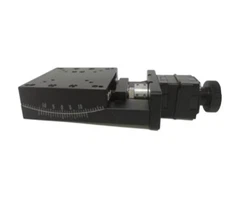
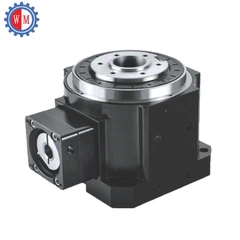
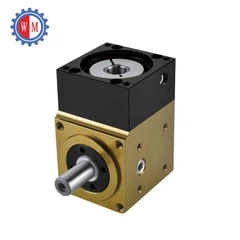
A motorized rotary table typically consists of a motor, a gearbox, and a tabletop. The motor generates the power, the gearbox transfers and modifies this power, and the tabletop holds the workpiece. The torque required depends on various factors, such as the weight of the workpiece, the speed of rotation, and the precision needed for the operation.
Factors Affecting Torque Requirements
- Workpiece Weight: Heavier workpieces require more torque to rotate. If the torque is insufficient, the table may struggle to move the load, leading to inaccurate positioning and potential damage to the motor or gearbox.
- Rotation Speed: Faster rotation speeds generally demand higher torque. When the table rotates quickly, more force is needed to overcome inertia and maintain a consistent speed.
- Precision Requirements: Applications that require high precision, such as CNC machining or optical alignment, often need a more stable and accurately controlled torque. Any fluctuations in torque can result in errors in the final product.
Methods of Adjusting Torque
1. Motor Selection and Configuration
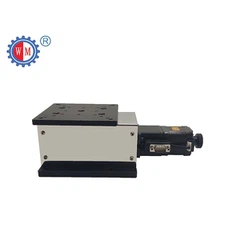
- Choosing the Right Motor: Selecting a motor with the appropriate torque rating is the first step. Different types of motors, such as Worm Gear Stepper Motor Rotation Stage, Servo Motor Rotary Stage, and Programmable Motor Rotation Stage, offer different torque characteristics.
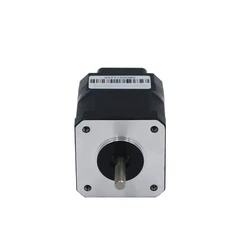
- Stepper motors are known for their precise control and relatively high torque at low speeds. They are suitable for applications where accurate positioning is crucial, such as in 3D printing or small - scale machining.
- Servo motors can provide high torque over a wide range of speeds and are often used in high - performance applications that require rapid acceleration and deceleration, like industrial automation.
- Programmable motors allow for more flexibility in torque adjustment through software programming, enabling users to customize the torque output according to specific requirements.
- Motor Configuration: Adjusting the motor's voltage, current, and pulse settings can also affect the torque. Increasing the voltage or current supplied to the motor can generally increase the torque output. However, this must be done within the motor's rated specifications to avoid overheating and damage.
2. Gearbox Adjustment
- Gear Ratio: The gearbox plays a vital role in torque transmission. Changing the gear ratio can modify the torque available at the tabletop. A higher gear ratio (more reduction) will increase the torque but reduce the rotation speed, while a lower gear ratio will increase the speed but decrease the torque.
- Lubrication and Maintenance: Proper lubrication of the gearbox is essential for efficient torque transfer. Over time, the lubricant can degrade, leading to increased friction and reduced torque. Regularly checking and replacing the lubricant can help maintain optimal torque performance.
3. Feedback and Control Systems
- Torque Sensors: Installing torque sensors in the motorized rotary table can provide real - time feedback on the torque being applied. This allows for more precise adjustment of the torque based on the actual load conditions.
- Closed - Loop Control: Closed - loop control systems use feedback from sensors to continuously adjust the motor's output to maintain a desired torque level. This helps to compensate for variations in load and ensures consistent performance.
Step - by - Step Torque Adjustment Process
Step 1: Determine the Torque Requirements
- Calculate the approximate torque needed based on the weight of the workpiece, the desired rotation speed, and the precision requirements. This can be done using engineering formulas or by referring to the manufacturer's guidelines.
Step 2: Select the Appropriate Motor and Gearbox
- Based on the torque requirements, choose a motor and gearbox combination that can meet or exceed the calculated torque. Consider factors such as the motor's power rating, the gearbox's efficiency, and the overall system compatibility.
Step 3: Initial Setup
- Install the motor and gearbox according to the manufacturer's instructions. Make sure all connections are secure and properly aligned.
Step 4: Basic Motor Configuration
- Set the motor's initial voltage, current, and pulse settings as recommended by the manufacturer. These settings can usually be adjusted using the motor's control panel or a dedicated software interface.
Step 5: Test Run
- Place a test workpiece on the table and start a test rotation at a low speed. Observe the table's performance, including its ability to move the load smoothly and accurately. If the table struggles or shows signs of instability, it may indicate insufficient torque.
Step 6: Fine - Tuning
- If the torque is insufficient, gradually increase the motor's voltage or current within the rated limits. Monitor the table's performance after each adjustment. If the torque is too high, it may cause excessive wear on the components or lead to inaccurate positioning, so make sure to find the optimal balance.
Step 7: Use Feedback Systems
- If the table is equipped with torque sensors or a closed - loop control system, use the feedback data to make more precise adjustments. The system can automatically adjust the motor's output to maintain a constant torque level.
Step 8: Final Verification
- Once the torque adjustment is complete, perform a final test run with the actual workpiece under normal operating conditions. Check for any signs of abnormal noise, vibration, or inaccurate positioning. If everything is satisfactory, the torque adjustment is successful.
Common Mistakes to Avoid
- Overloading the Motor: Applying a load that exceeds the motor's torque rating can cause overheating, premature wear, and even motor failure. Always ensure that the motor is properly sized for the application.
- Ignoring Gearbox Maintenance: As mentioned earlier, neglecting the gearbox's lubrication and maintenance can lead to reduced torque performance. Regularly inspect and maintain the gearbox to ensure efficient torque transfer.
- Not Using Feedback Systems: Failing to utilize feedback systems, such as torque sensors or closed - loop control, can result in less accurate torque adjustment. These systems can provide valuable information and help optimize the performance of the motorized rotary table.
Conclusion
Adjusting the torque of a motorized rotary table is a complex but essential process that requires careful consideration of various factors. By understanding the principles of torque, choosing the right motor and gearbox, and following a systematic adjustment process, you can ensure that your motorized rotary table operates at its best.


As a supplier of Motorized Rotary Tables, we are committed to providing high - quality products and technical support to help you achieve optimal torque performance. If you have any questions about torque adjustment or need assistance in selecting the right motorized rotary table for your application, please feel free to contact us for a detailed consultation. Our team of experts is ready to help you make the most of your motorized rotary table investment.
References
- Engineering textbooks on mechanical design and motion control.
- Manufacturer's manuals for motorized rotary tables, motors, and gearboxes.


