


Hey there! As a supplier of Manual Z - Axis Stages, I've been getting a lot of questions lately about how these nifty devices perform in vibration - prone areas. So, I thought I'd sit down and share some insights with you all.
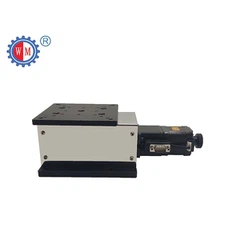
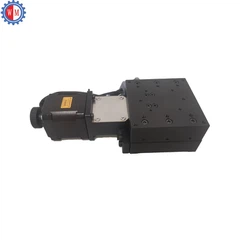
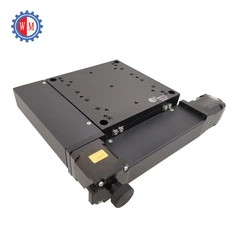
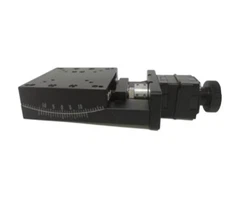
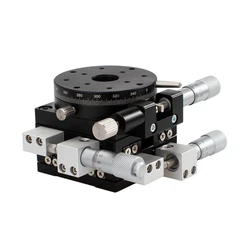
First off, let's talk about what Manual Z - Axis Stages are. They're basically tools that allow you to move an object up and down in a controlled way. You'll often find them in labs, manufacturing setups, and even some high - tech hobbyist projects. The "manual" part means you have to adjust them by hand, which gives you a lot of tactile control over the movement. If you're interested in a specific type, check out our Manual Vertical Stage.
Now, vibration - prone areas can be a real challenge for any piece of equipment. These areas could be near heavy machinery, in a building close to a busy road, or even on a factory floor with lots of moving parts. Vibration can cause all sorts of problems, like misalignments, inaccurate measurements, and even damage to the equipment over time.


So, how do Manual Z - Axis Stages hold up in these tough conditions? Well, it depends on a few factors.
Construction and Design
One of the most important things is the construction of the stage. A well - built Manual Z - Axis Stage is usually made from high - quality materials like aluminum or stainless steel. These materials are strong and rigid, which helps to resist the effects of vibration. For example, aluminum is lightweight but still very sturdy, and stainless steel is extremely durable and corrosion - resistant.
The design of the stage also matters. A good stage will have a solid base that provides stability. Some stages have a low - profile design, which means they're closer to the ground and less likely to be affected by vibrations. Additionally, the way the moving parts are connected can make a big difference. A stage with tight tolerances and smooth - operating mechanisms will be better able to maintain its position in a vibrating environment.
Mounting and Installation
How you mount and install the Manual Z - Axis Stage is crucial. If it's not properly installed, even the best - built stage can be affected by vibrations. You need to make sure the stage is mounted on a stable surface. This could be a vibration - dampening table or a solid bench.
Using vibration - isolating pads can also be a great idea. These pads are designed to absorb and reduce the amount of vibration that reaches the stage. They come in different materials and sizes, so you can choose the ones that are best suited for your specific setup. When you're mounting the stage, make sure all the bolts and screws are tightened properly. Loose connections can cause the stage to move around and lose its accuracy.
Performance in Vibration - Prone Areas
In a vibration - prone area, the main issue with a Manual Z - Axis Stage is maintaining its position. Vibrations can cause the stage to move slightly, which can affect the accuracy of your work. However, if the stage is well - constructed and properly installed, it can still perform quite well.
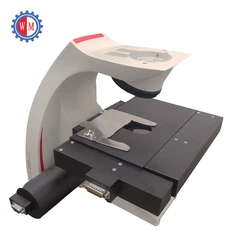
For example, in a lab where there are some minor vibrations from nearby equipment, a Manual Z - Axis Stage can still be used for tasks like microscopy or sample positioning. You might need to make some small adjustments from time to time, but overall, it can still get the job done.
In a more extreme environment, like a factory floor with heavy machinery, the challenges are greater. But even here, with the right precautions, a Manual Z - Axis Stage can be a reliable tool. You may need to use additional vibration - dampening measures, and you might have to be more vigilant about checking the stage's position and making adjustments.
Benefits of Manual Z - Axis Stages in Vibration - Prone Areas
Despite the challenges, there are some benefits to using Manual Z - Axis Stages in vibration - prone areas. One of the biggest advantages is the cost. Manual stages are generally more affordable than their motorized counterparts. This means you can invest in other vibration - control measures without breaking the bank.
Another benefit is the simplicity. Since you're adjusting the stage by hand, there are fewer components that can be affected by vibrations. Motorized stages have motors, controllers, and other electronics, which can be more sensitive to vibrations and require more maintenance.
Real - World Examples
I've seen some real - world examples of how Manual Z - Axis Stages perform in vibration - prone areas. One of our customers had a small manufacturing facility near a busy railway line. They were using Manual Z - Axis Stages to position parts for a precision machining process. At first, they were worried about the vibrations from the trains affecting the accuracy of their work.
But after we helped them with the proper installation, including using vibration - isolating pads and mounting the stages on a stable bench, they were able to achieve good results. They did have to make some minor adjustments after each train passed, but overall, the stages were able to maintain a high level of accuracy.
Tips for Using Manual Z - Axis Stages in Vibration - Prone Areas
Here are some tips to help you get the most out of your Manual Z - Axis Stage in a vibration - prone area:
- Regular Maintenance: Check the stage regularly for any signs of wear or damage. Make sure all the moving parts are clean and lubricated.
- Position Checks: Periodically check the position of the stage to make sure it hasn't shifted due to vibrations.
- Use Additional Support: Consider using additional support structures or braces to further stabilize the stage.
- Monitor the Environment: Keep an eye on the vibration levels in your area. If the vibrations seem to be getting worse, take steps to address the issue.
Conclusion
In conclusion, Manual Z - Axis Stages can perform well in vibration - prone areas if they're well - constructed, properly installed, and used with the right precautions. They offer a cost - effective and simple solution for many applications, even in challenging environments.
If you're interested in learning more about our Manual Z - Axis Stages or have any questions about how they can work in your specific vibration - prone area, don't hesitate to reach out. We're here to help you find the best solution for your needs and ensure that you get the most out of your equipment.
References
- Engineering Materials Handbook: Metals and Composites. ASM International.
- Vibration Isolation Techniques for Precision Equipment. John Wiley & Sons.


