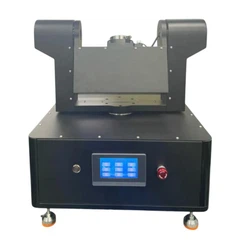
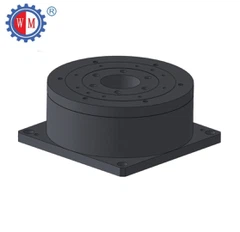
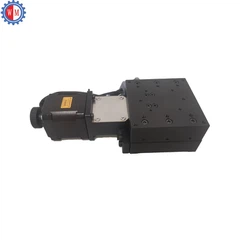
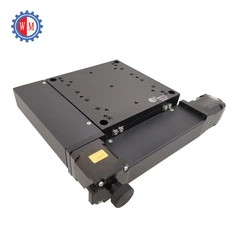
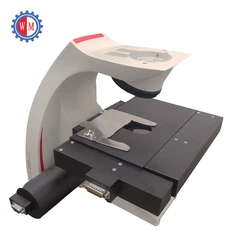
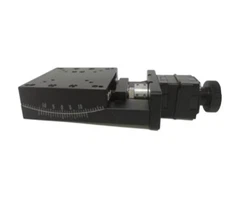


Hey there! As a supplier of Visual Alignment Stages, I've seen firsthand the ins and outs of these nifty pieces of equipment. Today, I wanna chat about the security concerns related to the Visual Alignment Stage.
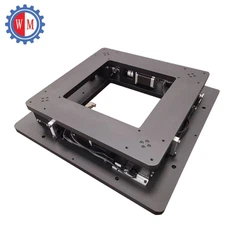
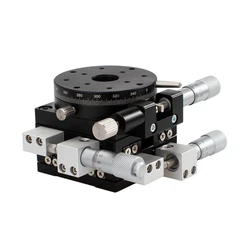
Let's start with what a Visual Alignment Stage is. It's a crucial tool in many industries, especially those dealing with precision assembly, microscopy, and semiconductor manufacturing. It allows for accurate positioning and alignment of components with the help of visual feedback. But like any technology, it comes with its own set of security challenges.
Physical Security
One of the first things that comes to mind is physical security. The Visual Alignment Stage is often a valuable piece of equipment, and protecting it from theft, damage, or unauthorized access is a top priority. You wouldn't want someone just waltzing in and messing with your stage, right?
To prevent theft, proper storage and access control are essential. Make sure the stage is stored in a secure area, preferably with restricted access. You can use locks, access cards, or even security cameras to keep an eye on things. And if the stage is being used in a shared workspace, make sure everyone knows the rules about handling and protecting it.
Damage is another concern. These stages are delicate and can be easily damaged if not handled properly. Make sure your employees are trained on how to use the stage correctly, including how to move it, clean it, and store it. And if there's any maintenance or repair work needed, make sure it's done by a qualified technician.
Data Security
In today's digital age, data security is a major concern for any technology. The Visual Alignment Stage is no exception. It often collects and stores data about the alignment process, such as the position of components, the accuracy of the alignment, and any error messages. This data can be sensitive and valuable, so it's important to protect it.
One of the biggest threats to data security is cyberattacks. Hackers may try to access the stage's data for various reasons, such as stealing sensitive information or disrupting the alignment process. To prevent cyberattacks, make sure the stage is connected to a secure network and that all software and firmware are up to date. You can also use firewalls, antivirus software, and other security measures to protect the stage from unauthorized access.


Another concern is data privacy. If the stage is being used in a research or manufacturing environment, the data it collects may be subject to privacy regulations. Make sure you understand these regulations and take steps to protect the privacy of your customers and employees. This may include anonymizing the data, encrypting it, or storing it in a secure location.
Electrical Safety
The Visual Alignment Stage is an electrical device, so electrical safety is another important concern. Make sure the stage is properly grounded and that all electrical connections are secure. You should also use appropriate electrical cords and plugs, and avoid overloading the electrical circuit.
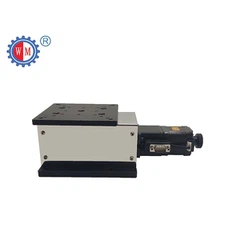
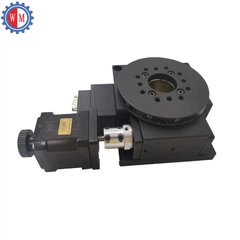
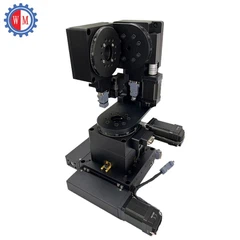
If you're using a motorized stage, such as the Motorized UVW Alignment Stage, make sure you understand how it works and how to operate it safely. Motorized stages can be powerful and can cause serious injury if not used properly. Make sure you read the user manual carefully and follow all safety instructions.
Safety Interlocks
Many Visual Alignment Stages are equipped with safety interlocks to prevent accidents. These interlocks are designed to stop the stage from moving if certain conditions are met, such as if the door is open or if there's an obstruction in the path of the stage. Make sure these interlocks are working properly and that they're not bypassed.
If you need to bypass the safety interlocks for some reason, make sure you do it safely and only under the supervision of a qualified technician. And make sure you restore the interlocks as soon as the work is done.
Training and Education
One of the best ways to address security concerns related to the Visual Alignment Stage is to provide training and education to your employees. Make sure they understand the importance of security and how to use the stage safely and securely. This may include training on physical security, data security, electrical safety, and safety interlocks.
You can also provide ongoing education and training to keep your employees up to date on the latest security threats and best practices. This may include regular security awareness training, as well as training on new features and updates to the stage.
Conclusion
As a supplier of Visual Alignment Stages, I know how important it is to address security concerns. By taking steps to protect the physical security, data security, electrical safety, and safety interlocks of the stage, you can ensure that it operates safely and securely. And by providing training and education to your employees, you can help them understand the importance of security and how to use the stage properly.
If you're in the market for a Visual Alignment Stage, I encourage you to check out our Visual Alignment Stage and XYY Alignment Stage. We offer a wide range of high-quality stages that are designed to meet the needs of various industries. And if you have any questions or need help with security concerns, don't hesitate to contact us. We're here to help you make the right choice and ensure that your stage operates safely and securely.
References
- General knowledge about Visual Alignment Stages and security best practices in industrial equipment.


