


Hey there! As a supplier of planetary actuators, I've been getting a lot of questions lately about the requirements for using these nifty devices in marine applications. So, I thought I'd sit down and share some insights on what it takes to make planetary actuators work well in the challenging marine environment.
First off, let's talk about what planetary actuators are. In simple terms, they're a type of gear system that uses multiple gears arranged in a planetary configuration. This design allows for high torque transmission in a compact space, making them ideal for a wide range of applications, including those in the marine industry.
One of the most critical requirements for marine applications is durability. The marine environment is harsh, with constant exposure to saltwater, high humidity, and extreme temperatures. These conditions can cause corrosion and wear on the actuator components, leading to premature failure. That's why it's essential to choose planetary actuators that are built to withstand these challenges.
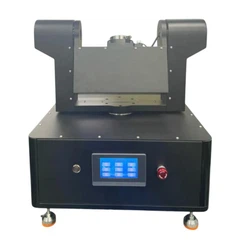
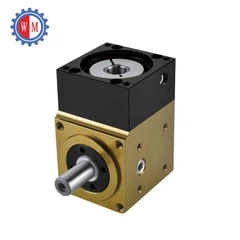
For instance, our IP65 Planetary Gearbox is designed with a high - level of protection against dust and water ingress. The IP65 rating means it's completely dust - tight and protected against low - pressure water jets from any direction. This makes it suitable for use in areas where it might be splashed with seawater or exposed to high humidity.
Another important aspect is the material used in the construction of the actuator. Stainless steel is a popular choice for marine applications because of its excellent corrosion resistance. Components made from high - quality stainless steel can withstand the corrosive effects of saltwater over long periods without significant degradation. Additionally, some actuators may have special coatings or treatments to further enhance their resistance to corrosion.
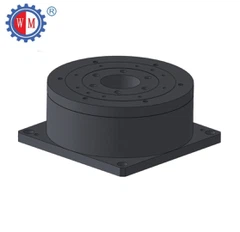
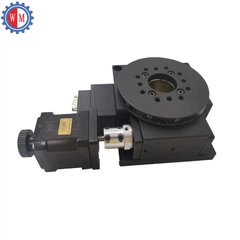
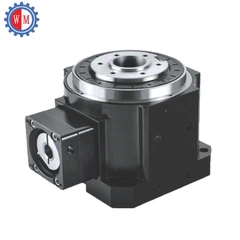
In addition to durability, precision is also crucial in marine applications. Planetary actuators are often used in systems that require accurate positioning and control, such as steering systems or the movement of shipboard equipment. Our Circular Flange Output Rotary Actuator offers high precision and smooth operation. It can be used to achieve precise angular movements, which is essential for tasks like adjusting the angle of a ship's rudder or the position of a crane on a vessel.
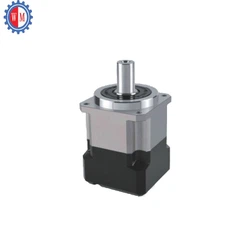
The load - handling capacity of the planetary actuator is another factor to consider. Marine applications can involve heavy loads, whether it's the weight of large equipment or the forces exerted by waves and currents. The actuator needs to be able to handle these loads without overheating or experiencing excessive wear. High - torque planetary actuators are typically required for applications such as winches or anchor handling systems. Our High Precision Spiral Gear Planetary Reducer is designed to provide high torque output while maintaining efficiency, making it suitable for heavy - duty marine applications.
Reliability is non - negotiable in the marine industry. A failure in an actuator can lead to significant safety risks and operational disruptions. That's why it's important to choose actuators from a reliable supplier with a proven track record. At our company, we conduct rigorous testing on all our products to ensure they meet the highest standards of quality and reliability. We test for factors such as load capacity, endurance, and performance under different environmental conditions.


Maintenance is also a consideration. In the marine environment, it can be challenging to access and service equipment. Therefore, planetary actuators should be designed for easy maintenance. Some actuators have features such as easily replaceable seals and bearings, which can reduce downtime and maintenance costs. Regular maintenance, including lubrication and inspection, is still necessary to ensure the long - term performance of the actuator.
When it comes to electrical requirements, marine applications often have specific standards. The actuator's electrical components need to be designed to operate safely in a marine environment. This may include features such as waterproof electrical connectors and insulation that can withstand the high humidity and saltwater exposure.
In summary, using planetary actuators in marine applications requires careful consideration of several factors. Durability, precision, load - handling capacity, reliability, and ease of maintenance are all key requirements. By choosing the right actuator for the specific application and ensuring proper installation and maintenance, you can ensure the smooth and efficient operation of your marine systems.
If you're in the market for planetary actuators for your marine applications, I'd love to have a chat with you. We have a wide range of products that can meet your specific needs, and our team of experts can provide you with all the information and support you need. Whether you're building a new vessel or upgrading an existing one, we're here to help you make the right choice.
References
- Marine Engineering Design Principles, Third Edition by Carl C. Ross
- Handbook of Marine Craft Hydrodynamics and Motion Control by Thor I. Fossen


