

Troubleshooting issues with the movement of a manual Z - Axis stage is crucial for ensuring the optimal performance of your equipment. As a supplier of Manual Z - Axis Stages, I've encountered various problems and have developed effective solutions. In this blog, I'll share some common issues and how to troubleshoot them.


1. Understanding the Manual Z - Axis Stage
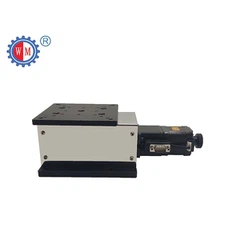
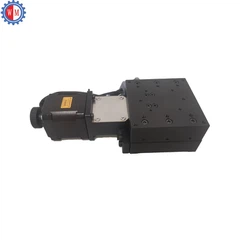
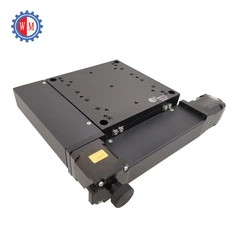
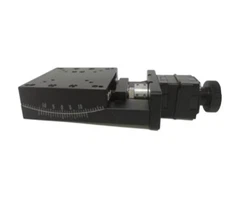
Before we dive into troubleshooting, it's important to understand the basic components and functions of a manual Z - Axis stage. A Manual Vertical Stage typically consists of a base, a moving platform, a lead screw or a rack - and - pinion mechanism for vertical movement, and a handwheel for manual operation. The handwheel is used to rotate the lead screw or engage the rack - and - pinion, which in turn moves the platform up or down.
2. Common Issues and Troubleshooting Steps
2.1. Difficulty in Turning the Handwheel
- Cause 1: Lack of Lubrication
- Over time, the lead screw or the rack - and - pinion mechanism may dry out, causing increased friction. This makes it difficult to turn the handwheel.
- Solution: Apply a suitable lubricant to the moving parts. For lead screws, a light machine oil or a specialized lead screw lubricant can be used. Make sure to clean the parts before applying the lubricant to remove any dirt or debris.
- Cause 2: Foreign Objects
- Small particles such as dust, metal shavings, or debris can get into the mechanism, obstructing the movement.
- Solution: Carefully inspect the stage for any visible foreign objects. Use compressed air to blow out any loose particles. If the object is stuck, you may need to disassemble the stage (following the manufacturer's instructions) to remove it.
- Cause 3: Misalignment
- If the stage is not properly installed or has been subjected to a shock, the lead screw or the moving platform may become misaligned.
- Solution: Check the alignment of the stage. You may need to loosen the mounting screws and re - position the stage to ensure it is level and properly aligned. Tighten the screws gradually and evenly to avoid introducing new misalignments.
2.2. Inconsistent Movement
- Cause 1: Worn - Out Components
- The lead screw, nut, or rack - and - pinion can wear out over time, especially with frequent use. This can result in inconsistent movement, such as jerks or uneven steps.
- Solution: Inspect the components for signs of wear. If the wear is significant, replace the worn - out parts. Make sure to use high - quality replacement parts that are compatible with your stage.
- Cause 2: Loose Fasteners
- Loose screws or bolts can cause the moving parts to shift during operation, leading to inconsistent movement.
- Solution: Check all the fasteners on the stage and tighten them if necessary. Use a torque wrench to ensure that the fasteners are tightened to the correct specification.
- Cause 3: Backlash
- Backlash is the play or clearance between the mating parts of the lead screw or rack - and - pinion. Excessive backlash can cause inconsistent movement, especially when changing the direction of travel.
- Solution: Some stages have an adjustable backlash mechanism. Refer to the user manual to adjust the backlash to an appropriate level. If the stage does not have an adjustable mechanism, you may need to replace the components to reduce the backlash.
2.3. Inability to Reach the Desired Position
- Cause 1: Mechanical Limitations
- The stage may have a limited range of motion. If you are trying to reach a position outside of this range, it will not be possible.
- Solution: Check the specifications of your stage to determine its maximum travel distance. If you need a larger range of motion, consider upgrading to a stage with a greater travel capacity.
- Cause 2: Binding
- Binding can occur if the moving parts are not moving freely due to misalignment, tight tolerances, or foreign objects. This can prevent the stage from reaching the desired position.
- Solution: Follow the troubleshooting steps for difficulty in turning the handwheel and inconsistent movement to address the binding issue. Make sure all the parts are properly lubricated and aligned.
3. Preventive Maintenance
To minimize the occurrence of issues with the movement of your manual Z - Axis stage, it's important to perform regular preventive maintenance.
- Cleaning: Regularly clean the stage to remove dust, dirt, and debris. Use a soft brush or a lint - free cloth to clean the surfaces.
- Lubrication: Apply lubricant to the moving parts at regular intervals, as recommended by the manufacturer.
- Inspection: Periodically inspect the stage for signs of wear, loose fasteners, or misalignment. Address any issues promptly to prevent them from worsening.
4. When to Seek Professional Help
If you have tried all the troubleshooting steps and still cannot resolve the issue, it may be time to seek professional help. A qualified technician can perform a more in - depth inspection and repair of your stage. Additionally, if your stage is still under warranty, contacting the manufacturer or an authorized service provider is recommended to avoid voiding the warranty.
5. Conclusion
Troubleshooting issues with the movement of a manual Z - Axis stage requires a systematic approach. By understanding the common causes and following the appropriate troubleshooting steps, you can often resolve the problems on your own. Regular preventive maintenance can also help keep your stage in good working condition.
If you are experiencing persistent issues with your manual Z - Axis stage or are considering purchasing a new one, we are here to assist you. Our team of experts can provide you with technical support, product recommendations, and help you find the best solution for your needs. Contact us to start a discussion about your requirements and explore the possibilities of working together.
References
- Manufacturer's user manuals for Manual Z - Axis Stages
- Industry standards and best practices for stage maintenance and troubleshooting


