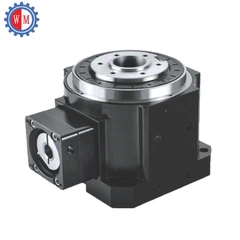
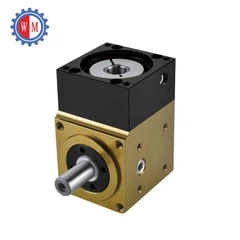


As a seasoned provider of Integrated Motor Drives, I've witnessed firsthand the transformative impact these technologies have on various industries. An Integrated Motor Drive combines a motor and its drive electronics into a single, compact unit, offering enhanced performance, efficiency, and reliability. In this article, I'll delve into the fundamental process of how an Integrated Motor Drive starts, exploring the key components and steps involved.
Understanding the Basics of an Integrated Motor Drive
Before we dive into the startup process, it's essential to grasp the basic components of an Integrated Motor Drive. At its core, this system consists of a motor, power electronics, control algorithms, and often, communication interfaces. The motor converts electrical energy into mechanical energy, while the power electronics regulate the voltage and current supplied to the motor. The control algorithms manage the motor's speed, torque, and position, ensuring optimal performance.
The Startup Sequence
The startup of an Integrated Motor Drive typically follows a well-defined sequence of steps, each crucial for ensuring a smooth and efficient operation. Let's break down these steps:
Initial Power-Up
When the power is first applied to the Integrated Motor Drive, the system undergoes an initialization process. During this phase, the drive's internal components, such as the microcontroller, sensors, and communication interfaces, are powered on and initialized. The drive checks for any faults or errors in its internal circuitry and performs self-diagnostic tests to ensure proper functionality.


Parameter Configuration
Once the initialization is complete, the next step is to configure the drive's parameters. These parameters define the motor's operating characteristics, such as its rated voltage, current, speed, and torque. The configuration process can be performed using a variety of methods, including a built-in keypad, a computer interface, or a remote communication protocol. As a provider, we offer user-friendly programming tools and interfaces to simplify this process for our customers. For instance, our Programmable Modbus RS485 Motor Drive allows for easy parameter configuration via the Modbus protocol, enabling seamless integration with existing automation systems.
Motor Identification
After the parameters are configured, the drive needs to identify the connected motor. This process involves determining the motor's electrical and mechanical characteristics, such as its stator resistance, inductance, and rotor inertia. The drive may use techniques such as motor parameter estimation or self-commissioning to gather this information. By accurately identifying the motor, the drive can optimize its control algorithms and ensure efficient operation.
Pre-Charging the DC Link
In many Integrated Motor Drives, a DC link capacitor is used to store electrical energy and provide a stable power supply to the motor. Before starting the motor, the drive needs to pre-charge this capacitor to a safe voltage level. This is typically done using a pre-charging circuit, which limits the inrush current and prevents damage to the drive's components. Once the capacitor is fully charged, the drive can proceed to the next step.
Initializing the Motor Control
With the DC link capacitor charged, the drive initializes the motor control algorithms. This involves setting the initial values for the motor's speed, torque, and position references. The drive also activates the motor's power electronics, which start to supply electrical energy to the motor windings. The control algorithms continuously monitor the motor's feedback signals, such as the current and position sensors, to ensure that the motor operates according to the desired references.
Starting the Motor
Once the motor control is initialized, the drive begins to gradually increase the voltage and frequency supplied to the motor. This process is known as soft starting, and it helps to minimize the inrush current and reduce the mechanical stress on the motor and the connected load. As the motor accelerates, the drive adjusts the voltage and frequency to maintain a constant torque and speed. The duration of the soft start process depends on the motor's size, load characteristics, and the application requirements.
Running at the Desired Speed
After the motor reaches the desired speed, the drive enters the steady-state operation mode. In this mode, the control algorithms continuously adjust the voltage and frequency supplied to the motor to maintain a constant speed and torque. The drive also monitors the motor's performance and protects it from overheating, overcurrent, and other faults. If any abnormal conditions are detected, the drive can automatically shut down the motor or take corrective actions to prevent damage.
Factors Affecting the Startup Process
Several factors can affect the startup process of an Integrated Motor Drive. These include:
Motor Type and Size
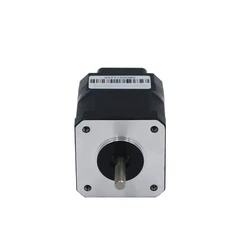
Different types of motors, such as induction motors, permanent magnet motors, and stepper motors, have different electrical and mechanical characteristics. The startup process may vary depending on the motor type and size. For example, a large induction motor may require a longer soft start time to avoid excessive inrush current. Our Modbus RS485 Stepper Driver for Nema 23 is specifically designed for Nema 23 stepper motors, providing precise control and efficient startup for this type of motor.
Load Characteristics
The load connected to the motor also plays a significant role in the startup process. A heavy load may require more torque and power to start, which can affect the motor's acceleration and the drive's performance. The drive needs to be able to provide sufficient torque to overcome the load inertia and start the motor smoothly.
Power Supply Conditions
The quality and stability of the power supply can also impact the startup process. A poor-quality power supply may cause voltage sags, harmonic distortion, or other electrical disturbances, which can affect the drive's operation and damage its components. It's important to ensure that the power supply meets the drive's specifications and to use appropriate power conditioning equipment, such as line filters and voltage regulators, if necessary.
Environmental Conditions
The environmental conditions, such as temperature, humidity, and vibration, can also affect the startup and operation of the Integrated Motor Drive. High temperatures can reduce the drive's efficiency and reliability, while excessive humidity can cause corrosion and electrical shorts. Vibration can loosen connections and damage components. It's important to install the drive in a suitable environment and to follow the manufacturer's recommendations for temperature, humidity, and vibration limits.
Conclusion
In conclusion, the startup process of an Integrated Motor Drive is a complex and critical operation that involves multiple steps and components. By understanding the basics of how an Integrated Motor Drive starts, you can better appreciate the technology's capabilities and ensure its proper operation. As a leading provider of Integrated Motor Drives, we are committed to offering high-quality products and solutions that meet the diverse needs of our customers. Whether you're looking for a simple stepper driver or a sophisticated programmable motor drive, we have the expertise and the products to help you achieve your goals.
If you're interested in learning more about our Integrated Motor Drives or have any questions regarding the startup process, please don't hesitate to contact us for further discussion and potential procurement opportunities. We look forward to collaborating with you to drive your business forward.
References
- “Motor Drives and Controls Handbook,” by Thomas L. Wildi
- “Electric Motors and Drives: Fundamentals, Types and Applications,” by Austin Hughes and Bill Drury


