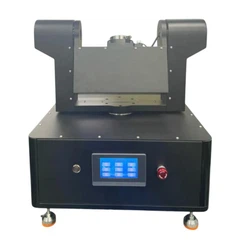


As a supplier of 3 Axis Motorized Gimbals, I've often been asked about how these sophisticated pieces of equipment perform in salt - water environments. In this blog, I'll delve into the technical aspects of a 3 Axis Motorized Gimbal and explain its functionality in the challenging conditions presented by salt water.
Understanding the 3 Axis Motorized Gimbal
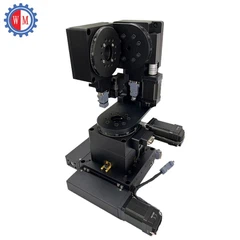
A 3 Axis Motorized Gimbal is a device that provides three degrees of freedom - yaw, pitch, and roll. This allows for precise control of the orientation of a payload, which could be a camera, sensor, or other equipment. The yaw axis controls the horizontal rotation, the pitch axis manages the up - and - down movement, and the roll axis handles the tilting motion.
The core of a 3 Axis Motorized Gimbal consists of high - torque motors, precision gears, and a control system. The motors are responsible for driving the movement of each axis, while the gears ensure smooth and accurate rotation. The control system, usually a microcontroller, receives input from sensors such as accelerometers and gyroscopes. These sensors detect the movement and orientation of the gimbal and send signals to the control system, which then adjusts the motors to maintain the desired position.
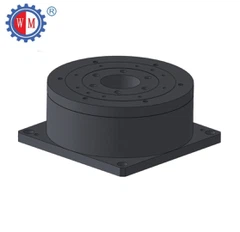
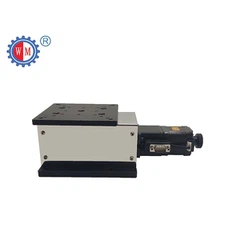
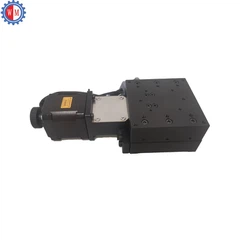
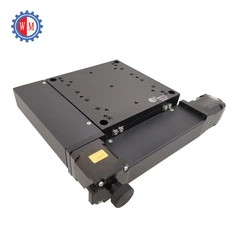
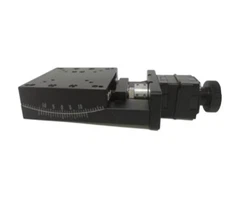
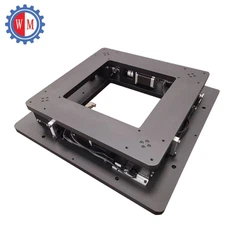
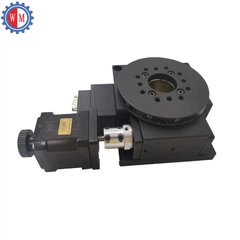
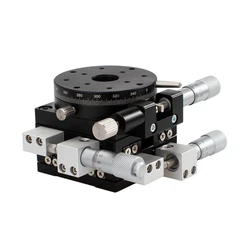
For those interested in exploring our range of 3 Axis Motorized Gimbals, you can visit our Motorized 3 Axis Gimbal Stage and Three - Axis Motorized Gimbal Stage pages.
Challenges in Salt - Water Environments
Salt water presents several challenges to the operation of a 3 Axis Motorized Gimbal. Firstly, salt water is highly corrosive. The salt in the water can react with the metals used in the gimbal's construction, leading to rust and corrosion. This can damage the motors, gears, and other components, reducing their performance and lifespan.
Secondly, the high humidity in salt - water environments can cause moisture to penetrate the gimbal's housing. Moisture can short - circuit the electrical components, such as the control system and sensors, leading to malfunctions.
In addition, the salt particles in the air can accumulate on the gimbal's surfaces. These particles can act as abrasives, wearing down the moving parts and increasing friction. This can make the movement of the gimbal less smooth and accurate.
How the 3 Axis Motorized Gimbal Overcomes These Challenges
To combat corrosion, we use corrosion - resistant materials in the construction of our 3 Axis Motorized Gimbals. For example, the outer housing is often made of stainless steel or aluminum alloys that have been treated with anti - corrosion coatings. These materials and coatings provide a protective barrier against the salt water, preventing the metal from coming into direct contact with the corrosive environment.
The electrical components are also protected from moisture. Our gimbals are designed with sealed enclosures to prevent water from entering. In addition, we use moisture - resistant circuit boards and components. These components are treated with special coatings that repel water and prevent short - circuits.
To deal with the issue of salt particle accumulation, our gimbals are designed with smooth surfaces and minimal crevices. This reduces the area where salt particles can collect. We also recommend regular cleaning and maintenance of the gimbal when it is used in salt - water environments. A simple rinse with fresh water after each use can remove the salt particles and prevent them from causing damage.
Specific Design Features for Salt - Water Use
Our Heavy Load Motorized Yaw Pitch Roll Stages are specifically designed to handle the harsh conditions of salt - water environments. These gimbals feature heavy - duty motors that are more resistant to the effects of corrosion. The gears are made of high - strength, corrosion - resistant materials, ensuring long - term durability.
The control system in our salt - water - optimized gimbals is also designed to be more robust. It has built - in self - diagnostic features that can detect any potential issues caused by the salt - water environment. If a problem is detected, the control system can adjust the operation of the gimbal to prevent further damage.
Performance in Salt - Water Conditions
Despite the challenges, our 3 Axis Motorized Gimbals perform remarkably well in salt - water environments. The corrosion - resistant materials and protective design ensure that the gimbal can maintain its functionality over a long period of time. The smooth movement and accurate positioning are not significantly affected by the salt water, as long as the proper maintenance procedures are followed.
In terms of the control system, the sensors continue to provide accurate data even in the presence of salt particles and moisture. The control system can still adjust the motors effectively to maintain the desired orientation of the payload.
Applications in Salt - Water Environments
There are several applications where a 3 Axis Motorized Gimbal can be used in salt - water environments. One of the most common applications is in marine photography and videography. The gimbal can be mounted on a boat or a floating platform to provide stable and smooth footage. The precise control of the three axes allows the photographer or videographer to capture high - quality images and videos from different angles.
Another application is in marine research. Scientists can use the gimbal to mount sensors for measuring various parameters such as water temperature, salinity, and depth. The gimbal's ability to maintain a stable position ensures accurate data collection.
Maintenance Tips for Salt - Water Use
To ensure the long - term performance of the 3 Axis Motorized Gimbal in salt - water environments, regular maintenance is essential. After each use, rinse the gimbal thoroughly with fresh water to remove any salt particles. Pay special attention to the moving parts and the electrical connections.
It is also recommended to lubricate the moving parts regularly. Use a lubricant that is resistant to salt water and corrosion. This will reduce friction and prevent wear and tear.
Periodically inspect the gimbal for any signs of corrosion or damage. If any issues are detected, address them immediately. This may involve replacing damaged components or applying additional anti - corrosion coatings.
Conclusion
In conclusion, a 3 Axis Motorized Gimbal can work effectively in salt - water environments when it is designed and maintained properly. Our company, as a supplier of these gimbals, has taken into account the unique challenges of salt - water use and has developed products that can withstand these conditions.
If you are interested in purchasing a 3 Axis Motorized Gimbal for use in salt - water environments, we invite you to contact us for a detailed discussion about your requirements. Our team of experts can provide you with more information about our products and help you choose the right gimbal for your application.


References
- "Marine Engineering Handbook" - A comprehensive guide on engineering in marine environments, including information on corrosion and material selection.
- "Electronics in Harsh Environments" - A book that covers the challenges and solutions for using electronic components in challenging conditions such as high humidity and salt water.


