



Hey there! As a supplier of Manual Goniometer Tables, I often get asked if these nifty devices can be used for measuring angles of magnetic materials. Well, let's dive right into this topic and find out.
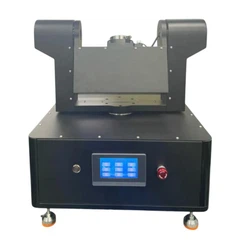
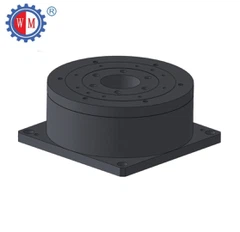
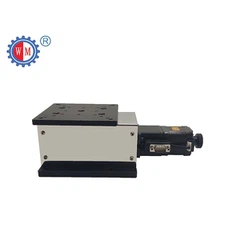
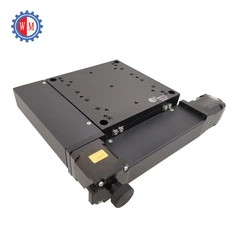
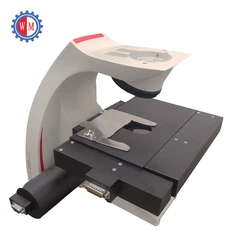
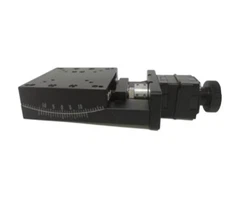
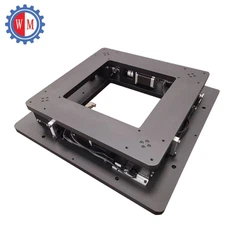
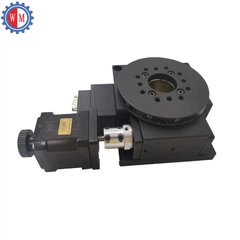
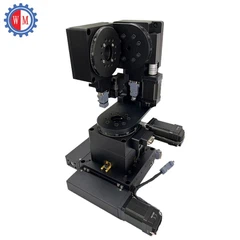
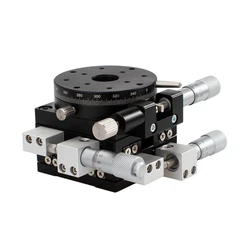
First off, what exactly is a Manual Goniometer Table? It's a precision instrument that allows you to measure and adjust angles with a high degree of accuracy. You can check out our Manual Goniometer Stage and Pitch Yaw Roll Manual Tilt Stage on our website to get a better idea of what we're talking about. These tables are commonly used in various scientific and industrial applications where precise angle measurements are crucial.
Now, let's talk about magnetic materials. Magnetic materials have unique properties that make them behave differently compared to non - magnetic materials. When it comes to measuring their angles, there are a few factors we need to consider.


One of the main concerns is the magnetic field itself. Magnetic materials generate their own magnetic fields, and these fields can potentially interfere with the operation of the Manual Goniometer Table. The table usually relies on mechanical components and sometimes optical or electrical sensors to measure angles. If the magnetic field from the material is strong enough, it could affect the accuracy of these sensors. For example, magnetic fields can cause small displacements in metal parts of the table or induce electrical currents in conductive components, leading to measurement errors.
However, not all magnetic materials have strong magnetic fields. Some magnetic materials, like those used in low - power electronics or in certain magnetic sensors themselves, have relatively weak magnetic fields. In these cases, the interference with the Manual Goniometer Table may be negligible. You can use the table just like you would with non - magnetic materials, and get accurate angle measurements.
Another aspect to consider is the type of measurement you're trying to make. If you're simply measuring the physical orientation of a magnetic material, such as the angle of a magnetic disk or a small magnetic component, and the magnetic field is not causing any mechanical or electrical disturbances, then the Manual Goniometer Table can work just fine. You can place the magnetic material on the table, adjust it to the desired position, and read the angle measurement directly from the table's scale or display.
But if you're dealing with a situation where the magnetic field is an important part of the measurement, things get a bit more complicated. For instance, if you're studying the magnetic anisotropy of a material, which involves measuring how the magnetic properties change with the orientation of the material, you need to be extra careful. The Manual Goniometer Table should be designed in such a way that it doesn't interfere with the magnetic field under study. This might involve using non - magnetic materials in the construction of the table or shielding the table from external magnetic fields.
In some cases, you might need to perform additional calibration when using the Manual Goniometer Table with magnetic materials. Calibration helps to account for any small errors introduced by the magnetic field. You can do this by comparing the measurements taken with the magnetic material to a known standard or by using a reference material with well - characterized magnetic properties.
Let's take a look at some real - world scenarios where a Manual Goniometer Table could be used for measuring angles of magnetic materials. In the field of materials science, researchers often study the magnetic properties of thin films. These thin films are deposited on substrates, and the angle of deposition can have a significant impact on the magnetic properties of the film. A Manual Goniometer Table can be used to precisely control and measure the angle of the substrate during the deposition process, ensuring that the film is deposited at the desired orientation.
In the manufacturing of magnetic sensors, the alignment of magnetic components is crucial for the proper functioning of the sensor. A Manual Goniometer Table can be used to align these components accurately, allowing for consistent and reliable sensor performance.
So, can a Manual Goniometer Table be used for measuring angles of magnetic materials? The answer is yes, but with some caveats. It depends on the strength of the magnetic field, the type of measurement you're making, and whether you take appropriate precautions to minimize interference.
If you're in the market for a Manual Goniometer Table for measuring angles of magnetic materials, we're here to help. Our products are designed with high - quality materials and precision engineering to ensure accurate and reliable angle measurements. Whether you're a researcher in a laboratory or a manufacturer in an industrial setting, we have the right solution for you.
If you're interested in learning more about our Manual Goniometer Tables or have any questions about using them with magnetic materials, feel free to reach out. We'd be more than happy to discuss your specific needs and provide you with the best advice and products. Start a conversation with us today, and let's find the perfect Manual Goniometer Table for your angle - measuring requirements.
References
- Smith, J. (2018). Handbook of Magnetic Materials. Elsevier.
- Brown, A. (2020). Precision Measurement Techniques in Materials Science. Springer.


