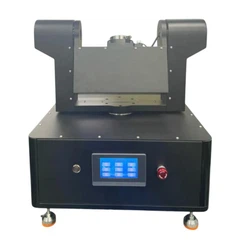
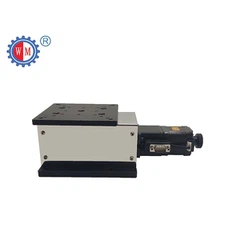
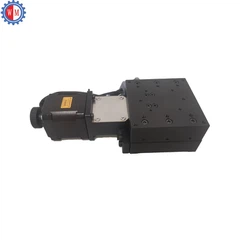
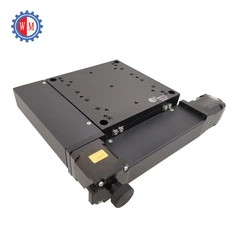
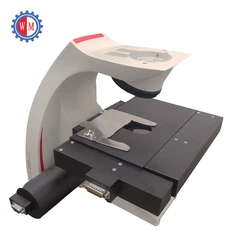
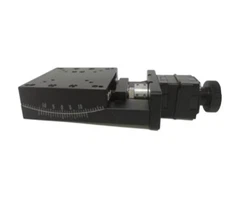
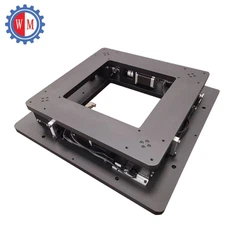
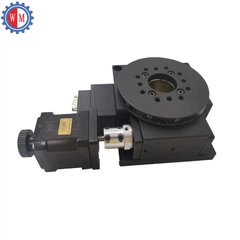
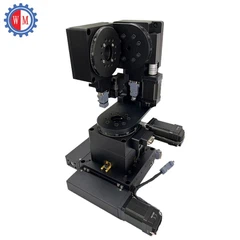
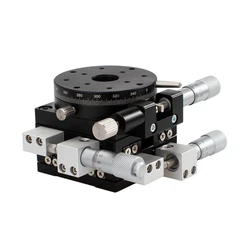


Hey there! As a supplier of Motorized 2 Axis Stages, I've seen firsthand how crucial it is to transport these precision pieces of equipment safely. In this blog, I'll share some tips and best practices to ensure your Motorized 2 Axis Stages arrive at their destination in top-notch condition.
Why Safe Transport Matters
Motorized 2 Axis Stages are high-precision devices used in a variety of industries, including manufacturing, research, and automation. They're designed to provide accurate and repeatable motion in two dimensions, which means even the slightest damage during transport can throw off their performance. That's why it's essential to take the necessary precautions to protect them during transit.
Preparing for Transport
Before you even think about shipping your Motorized 2 Axis Stages, you need to make sure they're properly prepared. Here are some steps you should take:
1. Clean and Inspect the Stages
Start by giving your stages a thorough cleaning to remove any dirt, debris, or contaminants. This will not only help prevent damage during transport but also ensure the stages are in good working condition when they arrive at their destination. Once the stages are clean, inspect them carefully for any signs of damage or wear. If you notice any issues, address them before shipping the stages.
2. Secure Loose Components
Motorized 2 Axis Stages often have loose components, such as cables, connectors, and accessories. Make sure these components are securely fastened or removed before shipping the stages. This will help prevent them from shifting or getting damaged during transit.
3. Use Protective Packaging
Invest in high-quality protective packaging materials, such as foam inserts, bubble wrap, and corrugated boxes. These materials will help cushion the stages and protect them from impact and vibration during transport. Make sure the packaging is specifically designed for the size and shape of your stages to ensure a snug fit.
4. Label the Packages Clearly
Label the packages clearly with the following information:
- The name and address of the recipient
- The name and address of the sender
- The product name and model number
- Any special handling instructions
This will help ensure the packages are delivered to the correct destination and handled properly during transit.
Choosing a Shipping Method
Once your Motorized 2 Axis Stages are properly prepared for transport, you need to choose a shipping method that will ensure their safe and timely delivery. Here are some factors to consider when choosing a shipping method:
1. Shipping Speed
If you need your stages to arrive at their destination quickly, you may want to consider using an expedited shipping service. These services typically offer faster delivery times but may also be more expensive.
2. Shipping Cost
Shipping costs can vary depending on the size, weight, and destination of your packages. Compare shipping rates from different carriers to find the most cost-effective option for your needs.
3. Shipping Insurance
It's a good idea to purchase shipping insurance to protect your stages in case they are lost, damaged, or stolen during transit. Most carriers offer shipping insurance as an optional add-on service.
4. Carrier Reputation
Choose a carrier with a good reputation for reliability and customer service. Read reviews and ask for recommendations from other businesses or individuals who have shipped similar products.


Handling and Loading the Stages
Once you've chosen a shipping method, it's time to handle and load the stages onto the shipping vehicle. Here are some tips to ensure the stages are handled and loaded safely:
1. Use Proper Lifting Techniques
Motorized 2 Axis Stages can be heavy and bulky, so it's important to use proper lifting techniques to avoid injury. Make sure you have enough people to help you lift the stages and use lifting equipment, such as forklifts or pallet jacks, if necessary.
2. Secure the Stages on the Shipping Vehicle
Once the stages are loaded onto the shipping vehicle, make sure they are securely fastened to prevent them from shifting or moving during transit. Use straps, ropes, or other securing devices to hold the stages in place.
3. Protect the Stages from the Elements
If the shipping vehicle is not enclosed, make sure the stages are protected from the elements, such as rain, snow, and sunlight. Use tarps or other protective covers to shield the stages from the weather.
Tracking and Monitoring the Shipment
Once your Motorized 2 Axis Stages are on their way to their destination, it's important to track and monitor the shipment to ensure it arrives safely and on time. Most carriers offer online tracking services that allow you to track the progress of your shipment in real-time. You can also set up alerts to notify you when the shipment has been delivered or if there are any issues with the delivery.
Conclusion
Transporting Motorized 2 Axis Stages safely requires careful planning, preparation, and attention to detail. By following the tips and best practices outlined in this blog, you can ensure your stages arrive at their destination in top-notch condition. If you have any questions or need further assistance with shipping your Motorized 2 Axis Stages, please don't hesitate to contact us. We're here to help you every step of the way.
If you're in the market for high-quality Motorized 2 Axis Stages, check out our Precision Motorized Xy Positioning Translation Stage and Motorized Xy Linear Stage products. We offer a wide range of options to meet your specific needs and requirements. Contact us today to learn more about our products and services and to discuss your procurement needs.


