


Hey there! I'm a supplier of Manual X - Axis Stages, and I know how important it is for these stages to be durable. In this blog, I'll share some tips on how to improve the durability of Manual X - Axis Stages.
Understanding Manual X - Axis Stages
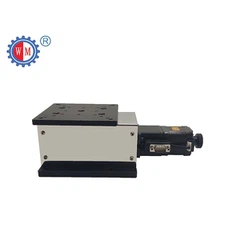
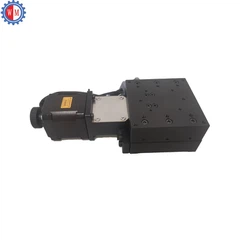
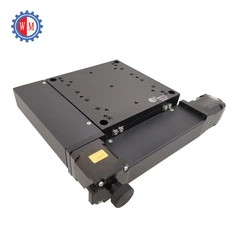
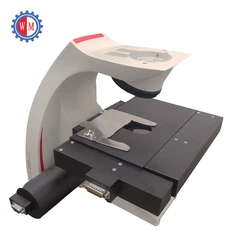
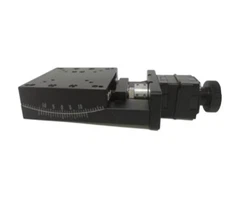
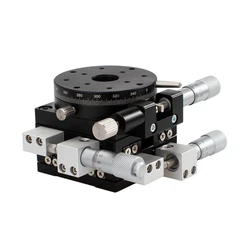
First off, let's quickly go over what Manual X - Axis Stages are. These are devices that allow for manual movement along the X - axis. They're used in a bunch of different industries, like microscopy, semiconductor manufacturing, and precision engineering. You can check out Manual Stage Micrometer and Manual X Translation Stage on our website to get a better idea of the different types available.
Material Selection
One of the key factors in improving durability is the material used to make the stage. High - quality metals like stainless steel or aluminum are great choices. Stainless steel is corrosion - resistant, which means it can withstand harsh environments without rusting. Aluminum, on the other hand, is lightweight but still strong. It's also a good conductor of heat, which can be useful in applications where heat dissipation is important.
When we're manufacturing our Manual Micro X Axis Stage, we carefully select the materials to ensure they can handle the rigors of daily use. We also make sure that the materials are properly treated and finished to enhance their durability. For example, we might use a special coating on the metal to prevent scratches and wear.
Precision Machining
Precision machining is another crucial aspect. When the parts of the Manual X - Axis Stage are machined with high precision, they fit together perfectly. This reduces friction between the moving parts, which in turn reduces wear and tear.
We use advanced machining techniques to ensure that every component of our stages is made to the highest standards. This includes using computer - controlled machines that can achieve extremely tight tolerances. By doing so, we can guarantee that our stages will operate smoothly and last a long time.
Lubrication
Proper lubrication is essential for the durability of Manual X - Axis Stages. Lubricants reduce friction between the moving parts, which helps to prevent excessive wear. They also protect the parts from corrosion and contamination.
We recommend using a high - quality lubricant that is specifically designed for precision machinery. It's important to apply the lubricant regularly, but not too much. Over - lubrication can attract dirt and debris, which can actually cause more damage in the long run.
Maintenance and Care
Regular maintenance is a must if you want your Manual X - Axis Stage to last. This includes cleaning the stage regularly to remove any dirt, dust, or debris that might have accumulated. You can use a soft, dry cloth to wipe down the stage, and if necessary, a mild cleaning solution.
It's also a good idea to inspect the stage periodically for any signs of wear or damage. Check the moving parts, the screws, and the micrometer for any issues. If you notice anything wrong, it's best to address it right away.
Environmental Considerations
The environment in which the Manual X - Axis Stage is used can have a big impact on its durability. Extreme temperatures, high humidity, and dusty or dirty conditions can all cause problems.
If the stage is used in a harsh environment, it's important to take extra precautions. For example, you might want to use a protective cover to keep the stage clean and dry. You can also consider using a dehumidifier or a temperature - controlled environment to protect the stage from extreme conditions.
User Training
Finally, proper user training can go a long way in improving the durability of Manual X - Axis Stages. When users know how to operate the stage correctly, they're less likely to cause damage.
We provide training materials and support to our customers to ensure that they know how to use our stages properly. This includes information on how to handle the stage, how to adjust the settings, and how to perform basic maintenance.


Conclusion
Improving the durability of Manual X - Axis Stages involves a combination of factors, from material selection and precision machining to lubrication, maintenance, and environmental considerations. By following these tips, you can ensure that your Manual X - Axis Stage will last a long time and provide reliable performance.
If you're interested in purchasing a Manual X - Axis Stage or have any questions about improving their durability, feel free to reach out. We're here to help you find the best solution for your needs.
References
- "Precision Engineering Handbook"
- "Materials Science for Engineers"
- Industry - specific technical guides on Manual X - Axis Stages


